A Beginner’s Guide to Choosing the Most Comfortable Sofas: Tips and Insights
Sofas are often the centerpiece of our living rooms a place to relax, gather with friends and family, or simply unwind after a long day. But choosing the right one isn’t as easy as picking the most stylish or expensive model. Comfort is highly subjective, and what works for one person may not work for another. That’s why understanding the basics of sofa construction, cushioning, and ergonomics is essential.
Sofas come in various styles, from sectional to sleeper, with different support systems such as coil springs, webbing, or foam-only construction. The materials used both inside and out play a significant role in how the sofa feels over time. Knowing what to look for helps you make informed decisions that match your needs, preferences, and budget.
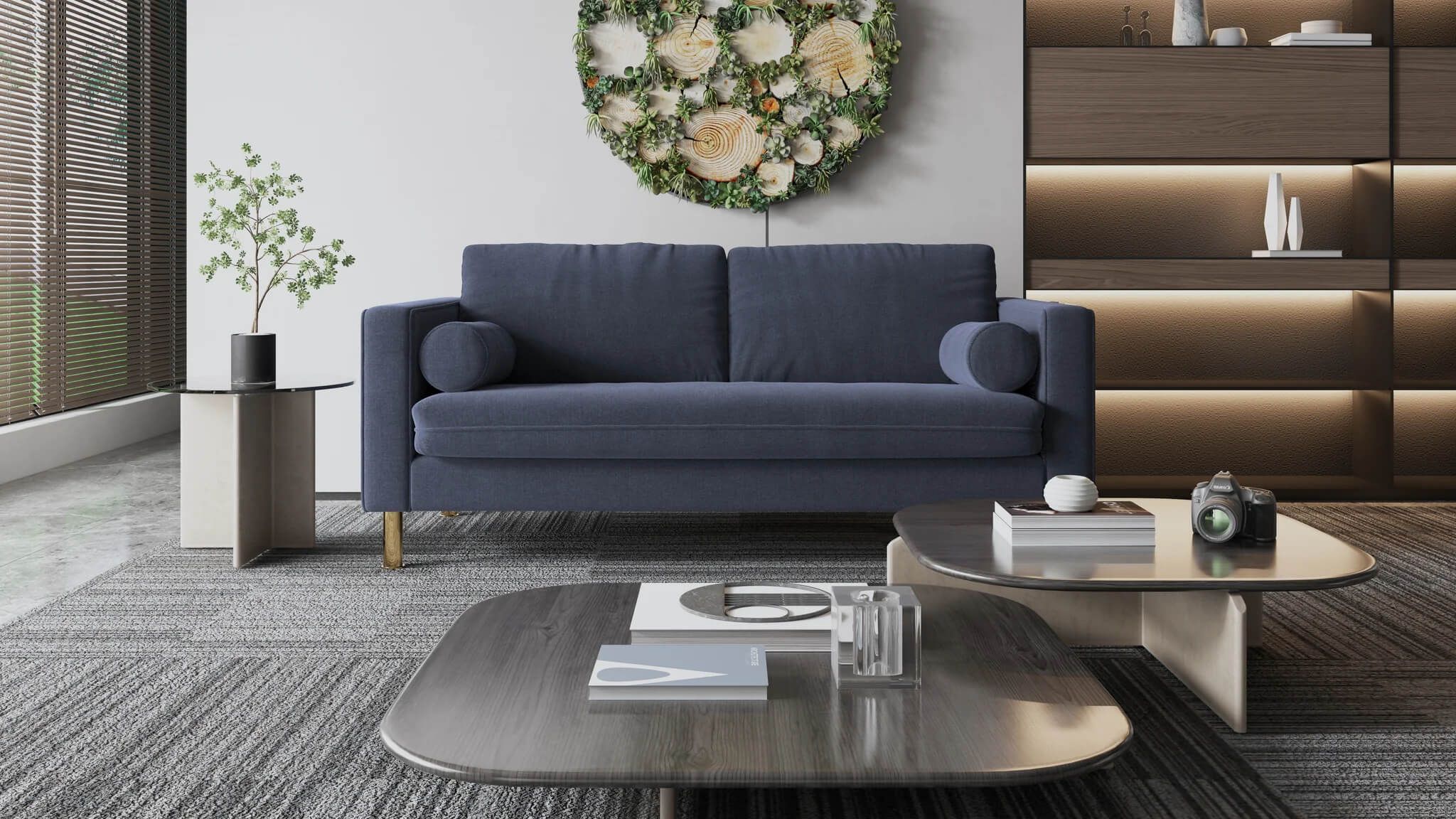
Why Sofa Comfort Matters Today
In a time when more people are spending longer hours at home whether working remotely, raising families, or simply focusing on personal wellness the quality of home furniture matters more than ever. The sofa, in particular, impacts daily comfort, posture, and even emotional well-being.
This topic is especially relevant to:
-
Homeowners and renters furnishing new or renovated spaces
-
Remote workers needing long-term support
-
Families seeking durable, kid- or pet-friendly options
-
Elderly or mobility-impaired individuals requiring ergonomic seating
Uncomfortable sofas can cause back pain, reduce productivity, or lead to quick furniture replacement. Making the right choice upfront can improve quality of life and reduce long-term expenses.
Recent Trends and Updates in Sofa Design
In recent years, the sofa industry has evolved to align with user demands for ergonomics, sustainability, and versatility. Here are some of the latest trends from 2024 into 2025:
-
Ergonomic designs with adjustable headrests, lumbar support, and reclining features are increasingly popular.
-
Modular sofas offer customizable configurations for small or changing spaces.
-
Eco-conscious materials like recycled foam, FSC-certified wood, and vegan leather alternatives are gaining traction.
-
Smart sofas are being introduced, featuring USB charging ports and built-in Bluetooth speakers.
-
Bouclé and velvet fabrics continue trending for their soft texture and modern aesthetic.
The demand for compact, multi-functional furniture has also grown, especially in urban apartments and homes with limited square footage.
Legal and Regulatory Considerations
While there are no universal global regulations for sofa comfort, several standards exist to ensure safety and quality:
In the U.S. and Europe:
-
Flammability Standards: Sofas sold in these regions must comply with fire resistance laws, such as California’s Technical Bulletin 117-2013 (TB117-2013) or the EU’s EN 1021 standards.
-
Labeling Requirements: Furniture must include material composition and care information.
-
CertiPUR-US Certification (for foam): Ensures foams are made without harmful chemicals like formaldehyde or heavy metals.
-
Consumer Product Safety Commission (CPSC): Oversees product recalls and safety notices for faulty furniture items.
These laws do not directly enforce comfort but ensure that materials and construction are safe and durable.
Tools and Resources for Sofa Selection
To simplify your decision-making, several tools and online platforms can help you compare sofa types, test configurations, and calculate space requirements:
-
Room Planner Tools
Tools like IKEA’s or Planner 5D let you visualize sofa placement in your living room. -
Fabric Swatch Services
Many online retailers provide free swatches to test color, texture, and comfort at home. -
Sofa Depth and Height Charts
These help match sofa dimensions with your body type. For instance, a seat depth of 20–22 inches is often ideal for average-sized adults.
| Feature | Recommended Range | Purpose |
|---|---|---|
| Seat Height | 17–19 inches | Helps maintain proper leg alignment |
| Seat Depth | 20–24 inches | Ensures back and thigh support |
| Cushion Firmness | Medium-firm (for most people) | Balanced support and comfort |
| Back Height | 30–36 inches | Supports shoulders and neck |
Websites like Wirecutter or Consumer Reports review retailer return policies, which is important if comfort falls short after delivery.
Third-Party Review Aggregators
Sites like Trustpilot and Reddit threads provide real-life user experiences beyond marketing claims.
Frequently Asked Questions (FAQs)
1. What is the best material for a comfortable sofa?
It depends on usage. Fabric (like cotton or linen) is breathable and soft, while leather offers durability and ease of cleaning. For ultimate comfort, high-resilience foam or memory foam cushions are often recommended.
2. How do I know if a sofa will be comfortable before buying it online?
Check product dimensions, cushion fill type, and verified user reviews. Many brands also offer free returns or trial periods. Virtual room planners and AR tools can help with visual fit.
3. Is a firmer or softer sofa better for my back?
A medium-firm sofa typically offers the best balance. Extremely soft sofas may lack support, while overly firm ones might cause discomfort. Lumbar support is key if back issues are a concern.
4. What’s the difference between a regular and modular sofa?
Modular sofas are made of individual sections that can be rearranged. They're ideal for customizable comfort and easy transportation. Regular sofas are fixed in shape but may offer deeper seats or integrated recliners.
5. How long should a comfortable sofa last?
A high-quality sofa typically lasts 7–15 years, depending on usage and maintenance. Choose kiln-dried hardwood frames and high-density foam for maximum durability.
Final Thoughts
Choosing a comfortable sofa is a personal but important decision. Whether you're furnishing your first apartment or replacing a worn-out piece, taking the time to understand dimensions, materials, and recent innovations will help you make a better choice.
The modern market offers a wide range of options from ergonomic and eco-friendly to smart and stylish designs. Using available tools and considering expert advice ensures that your sofa doesn’t just look good, but feels right for years to come.
By blending comfort with functionality and style, today’s sofas aim to meet the diverse needs of modern lifestyles. Prioritize what matters most to you, and use this guide to make an informed, confident purchase.