A Beginner’s Guide to Clean and Green Beauty: Insights and Tips for a Natural Routine
Clean and green beauty refers to the use of personal care and cosmetic products made with safe, non-toxic, and environmentally friendly ingredients. This approach promotes transparency in labeling, ethical sourcing, and sustainability in both packaging and production.
The "clean beauty" concept focuses on avoiding harmful chemicals such as parabens, phthalates, and synthetic fragrances. Meanwhile, "green beauty" emphasizes eco-conscious practices, including biodegradable packaging, cruelty-free testing, and natural or organic formulations.
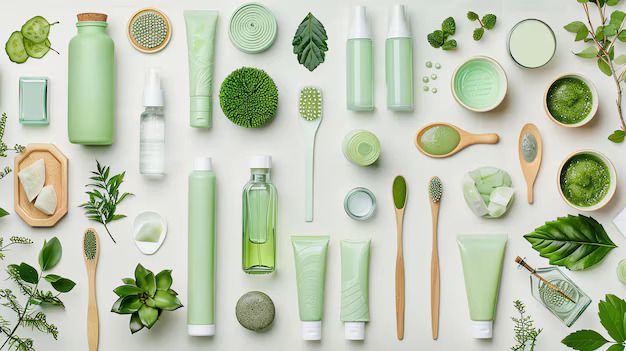
Clean and green beauty isn’t just a passing trend it’s a conscious lifestyle choice that aims to reduce health risks and minimize environmental impact. As awareness grows, more consumers are seeking transparency and safety in their beauty routines.
Why Clean and Green Beauty Matters Today
The importance of clean and green beauty has increased due to a combination of health, ethical, and environmental concerns:
-
Health and Safety: Many conventional beauty products contain chemicals linked to allergies, hormone disruption, and long-term health issues. Clean beauty avoids these risks by prioritizing safer ingredients.
-
Environmental Impact: Green beauty supports sustainability by reducing plastic use, encouraging refillable packaging, and minimizing water waste in production.
-
Animal Welfare: More consumers now demand cruelty-free practices, pushing brands to stop animal testing and adopt ethical standards.
-
Consumer Awareness: Easy access to information has made people more conscious of what goes into their products, driving demand for clean labels and clear ingredient sourcing.
A growing body of research and social activism has also highlighted the connection between synthetic chemicals and issues like ocean pollution, hormonal imbalance, and even certain cancers—bringing clean beauty into the mainstream.
Recent Trends and Industry Updates (2024–2025)
The clean beauty industry has evolved rapidly over the past few years. Here are some notable updates from 2024 and early 2025:
-
Increased Transparency: Brands are now required to disclose all ingredients on labels, even those within "fragrance" formulations. This trend picked up in mid-2024 following consumer pushback against undisclosed irritants.
-
Waterless Formulations: To reduce carbon footprints and extend shelf life, waterless beauty products like solid shampoos, bars, and powders gained traction in 2024.
-
Biotech Beauty: The use of lab-grown botanical ingredients has grown, offering a sustainable alternative to overharvested plants.
-
Regulatory Shifts: The EU updated its cosmetics regulations in September 2024, banning several microplastic-based ingredients. Other countries are expected to follow suit.
-
Rise in Male Green Grooming: Clean grooming products designed for men saw a 28% increase in global sales in 2024, according to market analysis by Statista.
These trends reflect a broader movement toward ethical consumption, influencing both niche startups and legacy cosmetic brands to rethink their strategies.
Clean Beauty and the Law: Regulations to Know
Clean and green beauty is not only a personal choice but also subject to various regulations that ensure product safety and transparency. Here’s how different regions address it:
| Region | Key Regulations |
|---|---|
| USA | The FDA oversees cosmetics but does not require premarket approval. The Modernization of Cosmetics Regulation Act (MoCRA), effective from 2023, mandates better safety testing and recall mechanisms. |
| EU | The European Union enforces strict regulations banning over 1,300 harmful ingredients. Updates in 2024 tightened controls on microplastics and synthetic preservatives. |
| India | The Drugs and Cosmetics Act regulates beauty products, and recent efforts are encouraging eco-labeling and cruelty-free certifications. |
| Canada | Health Canada maintains the Cosmetic Ingredient Hotlist, which restricts or bans certain chemicals. |
| Australia | Overseen by the Therapeutic Goods Administration (TGA) and NICNAS, emphasizing ingredient transparency and environmental safety. |
Tools and Resources for a Natural Beauty Routine
Switching to clean and green beauty doesn’t have to be overwhelming. These tools and platforms can guide you:
-
Think Dirty App: Scan product barcodes to check for toxic ingredients and get a safety rating.
-
EWG Skin Deep Database: A searchable platform offering safety scores for over 80,000 products.
-
INCI Decoder: Helps users understand and evaluate ingredient labels.
-
Beautycounter’s Never List: A downloadable reference list of commonly avoided chemicals.
-
Zero Waste Cartel & Ethique: Online stores offering eco-friendly packaging and solid alternatives to liquids.
-
DIY Beauty Blogs: Platforms like Wellness Mama and Hello Glow provide natural recipes for skincare and haircare.
You can also follow clean beauty influencers or dermatologists who specialize in ingredient education and eco-living for curated product recommendations.
Common Questions About Clean and Green Beauty
What’s the difference between clean, natural, and organic beauty products?
-
Clean beauty means products are made without toxic ingredients, regardless of whether they are natural or synthetic.
-
Natural beauty implies the use of plant-based or mineral ingredients, but isn't regulated.
-
Organic beauty involves ingredients grown without pesticides or synthetic fertilizers and often carries certification.
Are clean beauty products always safe for sensitive skin?
Not always. Natural ingredients like essential oils can trigger allergies. Always patch-test new products and check for fragrance-free or hypoallergenic labels.
Is clean beauty more expensive?
Some clean beauty brands are premium-priced due to ethical sourcing and low-volume production. However, affordable options and DIY alternatives are increasingly available.
Do natural preservatives work as well as synthetic ones?
Natural preservatives (e.g., rosemary extract, vitamin E) are effective but usually offer a shorter shelf life. Clean beauty brands often use a combination of natural and safe synthetic stabilizers.
Can I trust all products labeled as “green” or “clean”?
Not necessarily. Greenwashing is common some brands use eco-friendly marketing without meeting clean beauty standards. Look for independent certifications or consult trusted databases like EWG or Think Dirty.
Final Thoughts
Adopting a clean and green beauty routine is about making informed, responsible choices for your health and the environment. While no product is 100% perfect, aiming for transparency, simplicity, and sustainability is a great start.
By understanding what clean beauty means, staying updated on trends and regulations, and using trusted tools and certifications, you can build a routine that aligns with your values and supports your well-being.
Remember: Every small step whether it’s switching to a fragrance-free moisturizer or choosing plastic-free packaging contributes to a larger impact.