A Beginner’s Guide to Cold Storage: Insights, Facts, and Safety Suggestions
Cold storage refers to the process of storing perishable goods at controlled low temperatures to preserve their quality, safety, and shelf life. It is used across various industries such as food and beverages, pharmaceuticals, chemicals, and logistics. These facilities can include walk-in refrigerators, cold rooms, refrigerated warehouses, or transportation units equipped with cooling systems.
The concept exists to prevent spoilage, contamination, and waste. It also ensures that products meet health and safety standards before reaching consumers. As global trade grows and supply chains expand, the role of cold storage becomes increasingly critical in ensuring that goods remain fresh and usable across long distances and extended timeframes.
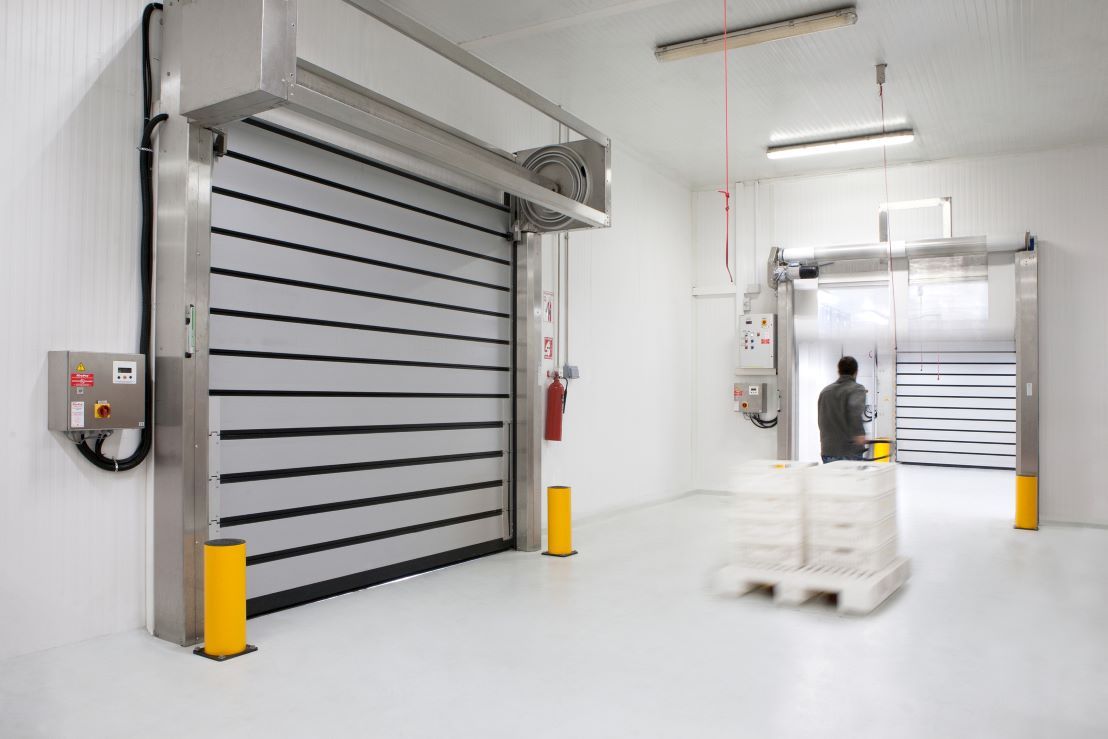
Why Cold Storage Is Crucial Today
Cold storage plays a vital role in modern life and global commerce, especially in the following areas:
Industries that Rely on Cold Storage
-
Food and Agriculture: Meat, dairy, vegetables, and fruits need refrigeration to stay fresh.
-
Pharmaceuticals: Vaccines, insulin, and biological samples require precise temperature control.
-
E-commerce and Grocery Delivery: On-demand deliveries must use cold storage to maintain product integrity.
-
Hospitality and Healthcare: Hotels, hospitals, and catering services use it to meet hygiene and storage regulations.
Key Benefits
-
Reduces food and medicine spoilage
-
Supports year-round availability of seasonal goods
-
Helps comply with health and safety regulations
-
Prevents economic losses due to damaged products
Major Challenges It Solves
-
Food Waste: According to the Food and Agriculture Organization (FAO), around one-third of all food produced is lost or wasted—cold storage helps reduce this significantly.
-
Public Health Risks: Improperly stored food or medicine can lead to illness and contamination.
-
Supply Chain Delays: Cold storage buffers supply-demand gaps by extending product shelf life.
Recent Trends and Updates in Cold Storage
The cold storage industry has seen significant developments in technology and demand over the past year:
Automation and Smart Systems
-
IoT Sensors and AI are increasingly used for real-time temperature monitoring and predictive maintenance.
-
Energy-efficient refrigeration systems are being adopted to meet sustainability goals and reduce electricity costs.
Cold Chain Expansion
-
Increased demand due to e-commerce grocery delivery and vaccine distribution has led to more localized cold storage hubs.
-
Pharmaceutical cold chains expanded globally post-COVID-19 and remain critical for newer vaccines and biologics.
Investment and Growth
-
According to a 2024 market report by ResearchAndMarkets, the global cold storage market is projected to grow at a CAGR of 12.4% from 2024 to 2029, driven by food security concerns and global trade.
India-Specific Trend (Example)
-
In India, government-supported Mega Food Parks and Agri Infrastructure Funds are boosting investment in rural cold storage units to prevent post-harvest losses (Ministry of Food Processing Industries, 2024).
Laws, Policies, and Regulations Affecting Cold Storage
Cold storage is governed by several health, safety, and operational regulations depending on the country or region:
Common Regulatory Areas
-
Temperature control standards set by local health departments or agencies
-
HACCP (Hazard Analysis and Critical Control Points) certification for food-grade facilities
-
Good Manufacturing Practices (GMP) for pharmaceutical storage
-
Building and fire safety codes for warehouse construction and operation
Country-Specific Examples
-
United States: The FDA enforces temperature controls under the Food Safety Modernization Act (FSMA).
-
European Union: EN 12830 standard outlines temperature monitoring equipment for transport and storage of food.
-
India: The FSSAI sets cold chain norms and guidelines under the Food Safety and Standards Act.
Incentives and Support Programs
-
Tax subsidies or low-interest loans for setting up cold storage in rural or underdeveloped areas (India, Kenya, Brazil)
-
Green incentives for adopting solar-powered refrigeration units
Tools and Resources for Managing Cold Storage
Managing cold storage efficiently requires the right set of tools and services. Here are some recommended resources:
| Tool/Resource | Purpose | Examples |
|---|---|---|
| Temperature Sensors | Real-time monitoring and alerts | Monnit, Sensaphone, TempGenius |
| Data Loggers | Tracking temperature during transport | Elitech, Testo, Vaisala |
| Cold Chain Software | Inventory and compliance management | CryoPortal, CargoSense, IntelliTrack |
| Energy Audit Tools | Optimize energy usage | RETScreen, Energy Star Portfolio |
| Cold Storage Directories | Locate and compare cold storage providers | Global Cold Chain Alliance, WareIQ India |
FAQs: Cold Storage Explained
Q1: What temperature range is considered cold storage?
Cold storage typically operates in a range from 0°C to 15°C, depending on the type of goods. Frozen storage units may operate at -18°C or lower.
Q2: How long can products be kept in cold storage?
This depends on the product. For example, fresh meat can last 7–10 days, frozen meat up to 6 months, and pharmaceuticals vary by stability guidelines set by the manufacturer.
Q3: Is it expensive to set up a cold storage facility?
Yes, cold storage involves significant upfront costs in infrastructure, insulation, refrigeration systems, and energy. However, many governments provide incentives, grants, or tax benefits to reduce initial investment.
Q4: What happens if temperature levels are not maintained?
Deviations can lead to spoilage, bacterial growth, and product degradation. In the case of pharmaceuticals, it may render the medicine ineffective or unsafe.
Q5: How can small businesses access cold storage without owning one?
They can use shared warehousing, third-party logistics providers (3PLs), or rent space from existing cold storage units via aggregator platforms.
Final Thoughts
Cold storage is a vital part of the global supply chain, impacting everything from daily meals to life-saving medicines. With rising demands and advancing technology, both large enterprises and small businesses must understand how to leverage cold storage systems efficiently.
Understanding the basics temperature ranges, compliance rules, safety tips, and available resources empowers individuals and organizations to make better decisions, reduce losses, and protect public health.
As industries become more digitized and consumers expect fresher products delivered faster, cold storage will remain central to meeting those needs safely and sustainably.