A Beginner’s Guide to Industrial Blowers: Function, Benefits, and Usage Insights
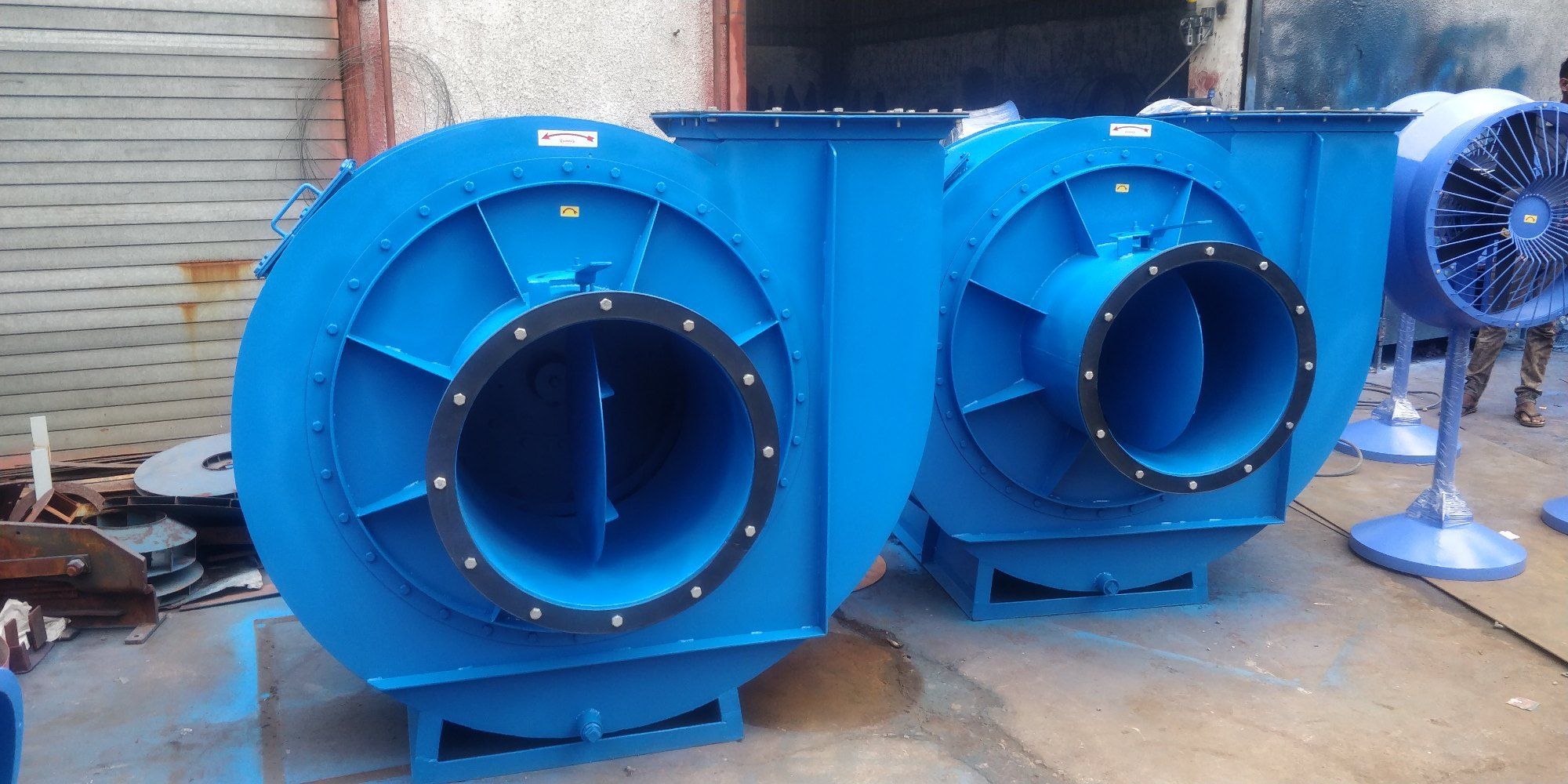
Industrial blowers are mechanical devices designed to move large volumes of air or gas through ducts, processing systems, or workspaces. Their primary function is to ventilate, cool, exhaust, dry, or convey materials. Unlike household fans, industrial blowers are built for higher pressure and continuous operation in demanding environments like manufacturing plants, chemical facilities, HVAC systems, and wastewater treatment plants.
These machines play a foundational role in maintaining air quality, ensuring safety, enhancing operational efficiency, and supporting a range of industrial processes. Depending on the application, they may operate at low, medium, or high pressures and can be centrifugal or axial in design.
Why Industrial Blowers Matter Today
Industrial blowers are essential for various industries including:
-
Manufacturing: To remove fumes, cool machinery, and dry products.
-
Mining: For air circulation in underground tunnels.
-
Food Processing: Used for drying, cooling, and aeration.
-
Waste Management: In odor control and biofiltration systems.
-
HVAC Systems: For ventilation in commercial buildings.
As industrial facilities strive for improved energy efficiency, worker safety, and compliance with environmental regulations, demand for high-performance blowers has increased.
Their benefits include:
-
Air Quality Management: Helps in removing dust, pollutants, and toxic fumes.
-
Process Efficiency: Speeds up tasks like drying, ventilation, and material handling.
-
Energy Optimization: Modern blowers are more energy-efficient, reducing operational costs.
-
Safety Compliance: Assists in maintaining safe indoor air conditions as per industrial safety standards.
Recent Trends and Developments (2024–2025)
Several developments have shaped the industrial blower market in the past year:
| Trend | Details |
|---|---|
| Energy-Efficient Motors | Integration of IE4/IE5 motors to reduce energy use. |
| Smart Monitoring | IoT-enabled blowers provide real-time performance and maintenance alerts. |
| Noise Reduction Technologies | Manufacturers are integrating silencers and acoustic enclosures. |
| Compact Designs | Demand for space-saving units in urban and modular facilities. |
| Environmental Compliance | Systems now meet tighter emission and ventilation standards. |
Legal and Regulatory Aspects
Industrial blowers are influenced by a range of international and country-specific regulations aimed at environmental protection, energy efficiency, and worker safety. Depending on the region, applicable standards may include:
-
OSHA (USA): Requires sufficient ventilation in industrial environments to prevent exposure to harmful substances.
-
EPA (USA): Mandates use of equipment that minimizes emissions and particulate release.
-
CE and RoHS (Europe): Ensure safety and restriction of hazardous substances in electrical/electronic equipment.
-
BEE Star Rating (India): Encourages energy-efficient industrial equipment.
In many jurisdictions, industries must conduct regular air flow audits and may be fined for non-compliance with ventilation standards. New sustainability targets introduced in 2024 by the EU Green Deal and India’s National Clean Air Programme (NCAP) have further pushed adoption of eco-friendly blowers.
Useful Tools and Resources
Whether you're selecting, sizing, or managing an industrial blower, these resources can help:
-
Fan Laws Calculator (Engineering Toolbox): Calculates how changes in speed affect flow, pressure, and power.
-
CAGI Performance Data Sheets: Helps compare blower efficiency across models (offered by the Compressed Air and Gas Institute).
-
EnergyStar.gov: Lists certified energy-efficient industrial products.
-
AutoDesk CFD or ANSYS Fluent: For airflow simulation in industrial layouts.
-
ASHRAE Guidelines: Industry best practices for HVAC and air movement systems.
Selection Checklist:
| Factor | What to Consider |
|---|---|
| Air Volume (CFM) | How much air the system needs to move. |
| Pressure Requirements | Static vs dynamic pressure needs of your process. |
| Power Supply | Match voltage and frequency with available supply. |
| Noise Level | Especially critical in indoor or urban installations. |
| Efficiency Rating | Look for certified energy performance. |
| Material & Build | Corrosion resistance, explosion-proof, etc. |
Frequently Asked Questions
Q1. What is the difference between a fan and a blower?
Fans move air with low pressure and are designed for circulation or cooling. Blowers create higher pressure and are suitable for moving air through ducts or against resistance.
Q2. What types of industrial blowers are commonly used?
The two main types are:
-
Centrifugal Blowers: Ideal for high-pressure applications.
-
Axial Blowers: Suitable for high-volume, low-pressure applications.
Q3. How do I choose the right blower for my facility?
Consider factors like required airflow (CFM), static pressure, operating environment, noise tolerance, and energy efficiency. Consulting airflow engineers or using blower sizing calculators is recommended.
Q4. Can blowers be used continuously?
Yes. Most industrial blowers are designed for continuous operation. However, maintenance schedules and thermal protection features are essential to prevent overheating or motor damage.
Q5. Are there safety concerns with using industrial blowers?
Yes. Common concerns include:
-
Noise pollution
-
Vibration
-
Exposure to moving parts
-
Electrical risks
Proper enclosure, grounding, and maintenance are key to safe operation.
Final Thoughts
Industrial blowers may seem like simple machines, but they are critical for the smooth and safe operation of many industrial and commercial environments. From ventilation and drying to pollution control and material handling, blowers perform behind-the-scenes tasks that keep processes efficient and compliant.
With rising focus on energy efficiency, workplace safety, and air quality regulations, modern industrial blowers are evolving rapidly. Whether you're a facility manager, equipment buyer, or industry newcomer, understanding how blowers work and how to choose the right one can significantly improve operational outcomes.
Staying informed with current trends, regulatory expectations, and available tools will help you make better, more sustainable choices for your operations.