A Complete Guide to Healthy Lunches for School Kids: Meal Planning Tips, Ingredients Overview, and Nutrition Details
Healthy lunches for school kids refer to balanced midday meals prepared to support children’s physical growth, learning ability, and daily energy needs during school hours. This topic exists because children spend a large portion of their day at school, and lunch plays a key role in maintaining focus, mood stability, and overall health.
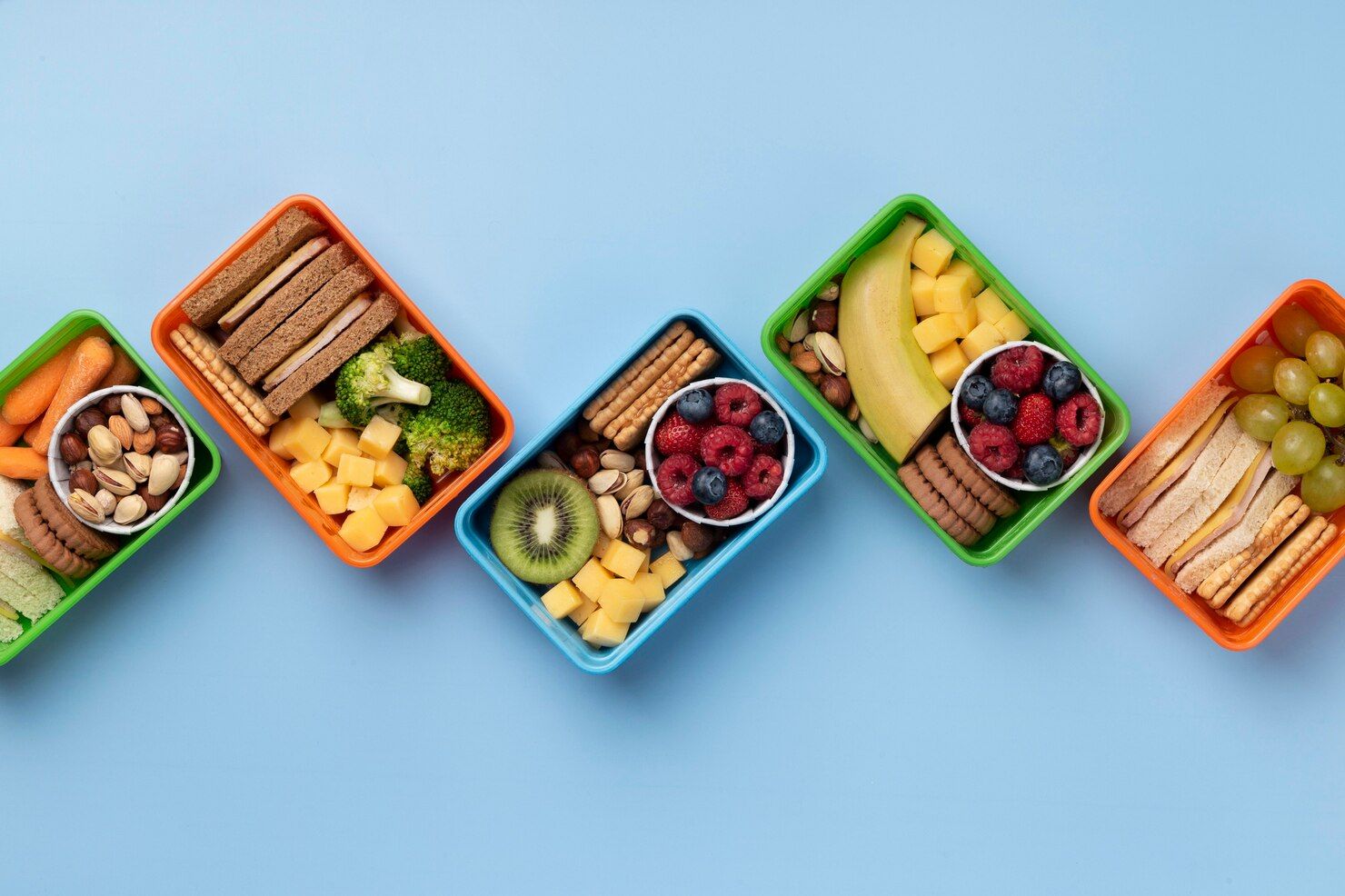
School lunches are not only about filling hunger. They combine food groups in the right proportions so that children receive carbohydrates for energy, proteins for growth, healthy fats for brain function, and vitamins and minerals for immunity. Meal planning helps families avoid random food choices and ensures consistent nutritional quality.
As lifestyles become busier, many families rely on packed lunches. Without proper planning, these meals can become repetitive or nutritionally unbalanced. A structured guide helps bridge the knowledge gap and supports informed decisions about ingredients and preparation methods.
Importance: Why Healthy School Lunches Matter Today
Healthy school lunches matter because childhood nutrition directly affects concentration, academic performance, and long-term health habits. Poor-quality lunches can contribute to fatigue, reduced attention span, and irregular eating patterns.
This topic affects parents, caregivers, teachers, and schools. It also impacts children who may not yet understand nutrition but depend on adults for food choices. Balanced lunches help solve common problems such as excessive sugar intake, low fiber consumption, and inadequate protein during the school day.
Key benefits include:
-
Improved focus and classroom participation
-
Steady energy levels throughout the day
-
Better digestion and appetite regulation
-
Early exposure to nutritious food habits
A well-planned lunch supports both physical development and cognitive performance without relying on processed or nutrient-poor foods.
Recent Updates: Current Trends and Nutrition Awareness
In recent months, there has been increased attention on balanced school meals, portion control, and food diversity for children. Nutrition educators and health authorities have emphasized reducing highly processed foods and increasing whole ingredients such as grains, fruits, vegetables, and legumes.
Another growing trend is allergen awareness. Families are paying closer attention to common allergens and opting for clearly identifiable ingredients. There is also wider discussion about cultural diversity in lunches, encouraging varied meal options rather than a single standardized format.
Digital meal planning tools and nutrition tracking apps have become more common, helping parents visualize nutrient intake and rotate menus effectively. Visual food education, such as plate models and simple charts, is increasingly used to explain nutrition to children in an age-appropriate way.
Laws or Policies: How Regulations Influence School Lunches
In many countries, school nutrition guidelines are shaped by public health authorities and education departments. These policies generally focus on limiting excessive sugar, salt, and saturated fat in children’s meals while encouraging fruits, vegetables, and whole foods.
Government-supported school meal programs often set standards for calorie ranges, food group inclusion, and hygiene practices. While packed lunches from home may not be directly regulated, schools frequently issue advisory guidelines to families to align home-packed meals with broader nutrition goals.
Food labeling rules also influence lunch planning by making nutritional information clearer on packaged items. These policies support transparency and help caregivers make informed choices without relying on marketing claims.
Tools and Resources: Practical Support for Meal Planning
Several tools can help simplify healthy lunch preparation and nutrition understanding. These resources focus on planning, balance, and education rather than promotion.
Helpful tools include:
-
Meal planning templates for weekly lunch rotation
-
Nutrition calculators for estimating macro and micronutrients
-
Portion size charts designed for children
-
Visual plate models for balanced meals
-
Food group checklists for lunchbox review
Example Weekly Lunch Planning Table
| Food Group | Mon | Tue | Wed | Thu | Fri |
|---|---|---|---|---|---|
| Whole grains | ✔ | ✔ | ✔ | ✔ | ✔ |
| Protein source | ✔ | ✔ | ✔ | ✔ | ✔ |
| Vegetables | ✔ | ✔ | ✔ | ✔ | ✔ |
| Fruits | ✔ | ✔ | ✔ | ✔ | ✔ |
| Healthy fats | ✔ | ✔ | ✔ | ✔ | ✔ |
This type of table helps ensure variety and nutritional consistency across the week.
Nutrition Details: Key Ingredients and Balance
A healthy school lunch includes a mix of core food groups. Each group plays a specific role in child nutrition.
Essential components include:
-
Whole grains for sustained energy
-
Protein sources such as legumes, dairy, eggs, or lean alternatives
-
Fresh vegetables for fiber and micronutrients
-
Fruits for natural sweetness and vitamins
-
Healthy fats for brain development
Sample Nutrition Balance Chart
| Nutrient Type | Primary Function | Common Sources |
|---|---|---|
| Carbohydrates | Energy for learning | Grains, fruits |
| Protein | Growth and repair | Legumes, dairy |
| Fiber | Digestion support | Vegetables, whole grains |
| Vitamins | Immunity and metabolism | Fruits, vegetables |
| Healthy fats | Brain function | Nuts, seeds |
Balancing these nutrients helps avoid energy crashes and supports consistent performance throughout the school day.
FAQs: Common Questions About School Lunch Nutrition
What makes a lunch nutritionally balanced for school kids?
A balanced lunch includes multiple food groups in appropriate portions, providing energy, protein, fiber, and essential vitamins without excessive sugar or salt.
How can variety be maintained without complexity?
Rotating ingredients weekly and changing preparation styles helps maintain variety while keeping planning simple.
Are snacks part of a healthy lunch routine?
Yes, when snacks include fruits, vegetables, or protein-rich foods, they complement lunch and help maintain energy levels.
How important is portion size for children?
Portion size matters because overly large or small portions can affect appetite, digestion, and energy balance during school hours.
Can traditional foods fit into healthy lunch planning?
Traditional meals can be nutritionally balanced by adjusting ingredients, cooking methods, and portion distribution.
Conclusion: Building Consistent Healthy Lunch Habits
Healthy lunches for school kids are a practical way to support learning, growth, and long-term wellness. Through thoughtful meal planning, ingredient awareness, and basic nutrition understanding, families can create lunches that are both nourishing and enjoyable.
Disclaimer: The information provided in this article is for informational purposes only. We do not make any claims or guarantees regarding the accuracy, reliability, or completeness of the information presented. The content is not intended as professional advice and should not be relied upon as such. Readers are encouraged to conduct their own research and consult with appropriate professionals before making any decisions based on the information provided in this article

