A Detailed Guide to Ceramic Tile Production: Overview of Processes, Key Details and Basics
Ceramic tile production refers to the industrial manufacturing processes used to create durable tiles for flooring, walls, and architectural applications. This process exists because ceramic materials provide strength, thermal resistance, moisture protection, and long-term reliability. The field has evolved from basic clay shaping to advanced ceramic engineering, supporting construction, interior design, and infrastructure development.
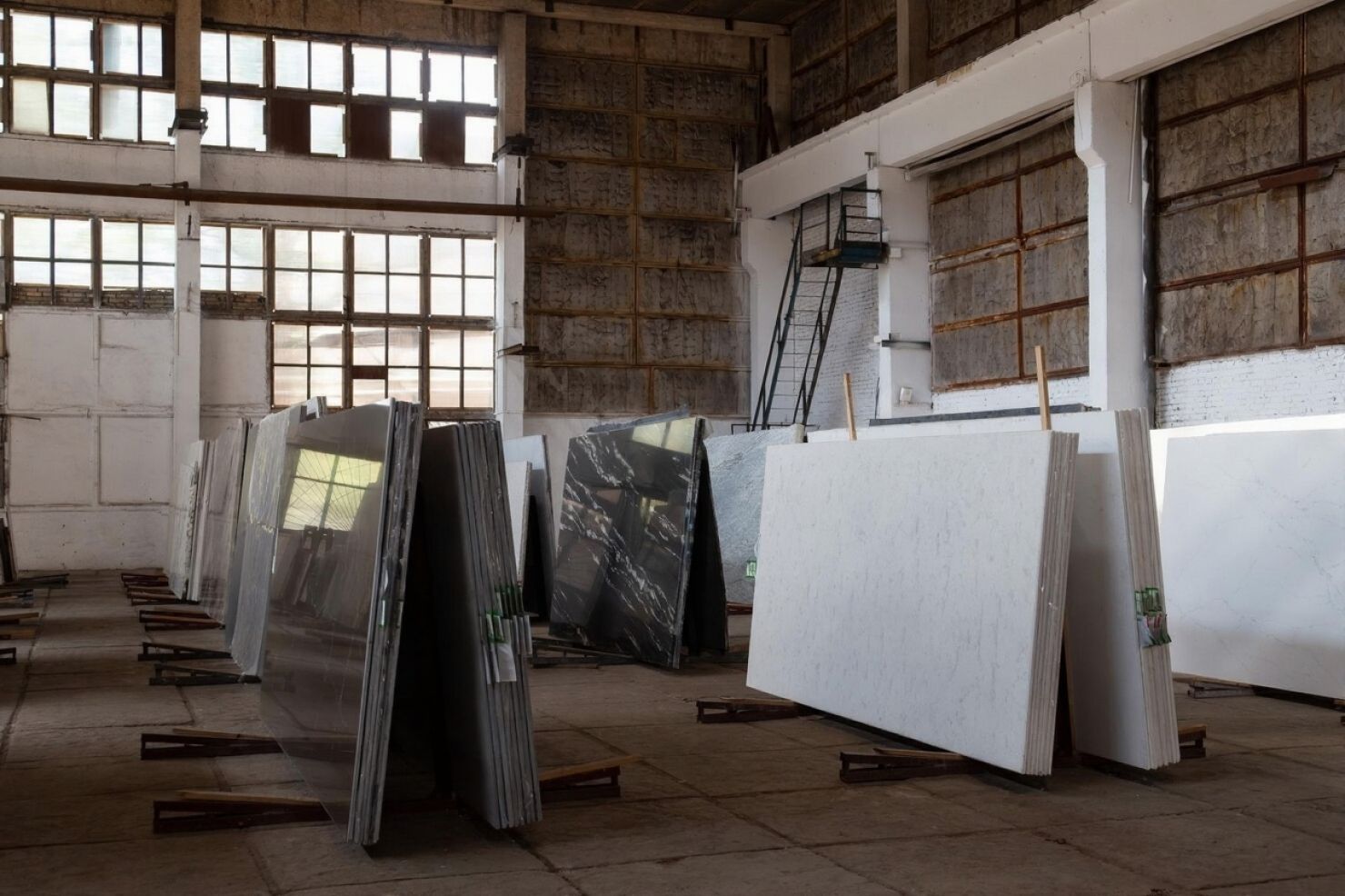 Modern ceramic tile production uses controlled steps involving clay preparation, shaping, drying, glazing, and kiln firing. These steps help achieve uniformity, density, and design consistency. Today, ceramic tiles are used globally because they combine both functional and aesthetic advantages, making them essential in residential, commercial, and industrial spaces.
Importance
Ceramic tile production matters today due to increasing demand for durable building materials, sustainable construction practices, and advanced architectural design. This topic affects several groups, including manufacturing professionals, architects, contractors, learners exploring materials science, and individuals researching industrial manufacturing technologies.
Ceramic tile manufacturing helps solve problems related to moisture resistance, heat durability, hygiene, and long-term structural reliability. Tiles reduce maintenance needs and support eco-friendly construction by incorporating recyclable and natural raw materials. Their long life cycle also supports sustainability goals in many regions.
Growing urban development, rising construction activities, and innovations in digital printing on tiles have expanded the relevance of ceramic tile production. It also helps meet the need for standardized materials in infrastructure and housing projects.
Recent Updates
Several developments in ceramic tile production have emerged over the past year:
-
2024–2025 advancements in digital printing: Manufacturers increased the use of high-resolution digital glazing systems that allow precise patterns, stone textures, and matte–glossy combinations with better accuracy.
-
Energy-efficient kiln technologies (2024): Modern roller kilns and hybrid-fuel systems have gained popularity to reduce emissions and optimize heat distribution.
-
Sustainable material use (2024–2025): More production facilities shifted toward low-impact raw materials and waste-recycling systems to meet global sustainability guidelines.
-
Automation expansion: Robotics and AI-based quality monitoring have improved tile uniformity, defect detection, and packaging accuracy.
-
Global construction growth: Increased building projects across Asia and Europe in 2024 continued to boost the demand for high-strength ceramic tiles.
These updates show how technology, environmental goals, and architectural trends are shaping tile production.
Laws or Policies
Ceramic tile production is influenced by industry regulations, environmental standards, and government programs across many countries. Common regulatory areas include:
-
Environmental standards: Rules often mandate limits on emissions from kilns, restrictions on chemical use in glazing, and guidelines for energy efficiency.
-
Quality and safety standards: Many regions follow ISO standards related to ceramic tile strength, water absorption, slip resistance, and thermal shock resistance.
-
Waste management policies: Facilities must manage raw material waste, dust control, and water recycling systems.
-
Worker safety regulations: Rules require protective equipment, controlled furnace operations, and safe material handling procedures.
-
Construction material compliance: Tiles used in public buildings, hospitals, schools, and transport facilities must meet structural and hygiene specifications.
These policies help ensure that ceramic tile production remains safe, environmentally responsible, and consistent in quality.
Ceramic Tile Production: Key Processes
Below is a simplified table showing the primary stages involved in tile manufacturing:
| Process Stage | Main Purpose | Key Actions |
|---|---|---|
| Raw Material Preparation | Achieve correct composition | Mixing clay, feldspar, quartz, additives |
| Forming | Shape creation | Pressing, extrusion |
| Drying | Remove moisture | Controlled heat drying |
| Glazing | Add surface layer | Applying liquid glaze coating |
| Firing | Hardening | Kiln firing at high temperatures |
| Sorting | Quality control | Checking texture, strength, dimensions |
Useful Tools and Resources
Several tools and resources support research and understanding of ceramic tile production, industrial manufacturing processes, and material engineering:
-
Industrial calculators for moisture content, firing temperature ranges, and material composition analysis
-
Material science websites offering insights into clay behavior, ceramic engineering basics, and glaze chemistry
-
3D modeling tools for visualizing tile patterns and design structures
-
Online glossaries for ceramic industry terminology
-
Educational videos and digital simulators that demonstrate kiln operations, glazing techniques, and quality-testing procedures
-
Standards documentation platforms providing ISO and regional ceramic tile specifications
-
Research databases for trends in construction materials and advanced ceramics
These resources help learners and professionals understand both the scientific and practical sides of tile manufacturing.
FAQs
What materials are commonly used in ceramic tile production?
Ceramic tiles usually use clay, feldspar, quartz, and water. Small additives may be included to control plasticity, strength, and surface finish.
Why is glazing important in tile manufacturing?
Glazing provides color, texture, and additional protection. It helps improve stain resistance, reduce water absorption, and create decorative finishes.
How hot do kilns get during tile production?
Ceramic tiles are typically fired at temperatures between 1,000°C and 1,250°C, depending on the tile type and required strength.
What determines the durability of a ceramic tile?
Durability is influenced by material composition, pressing pressure, firing temperature, and quality-testing standards.
How are modern designs applied to ceramic tiles?
High-resolution digital printing and advanced glazing allow manufacturers to apply detailed patterns, textures, and natural stone effects.
Conclusion
Ceramic tile production is a well-established industrial manufacturing process that combines engineering, material science, and design principles. Understanding how tiles are produced helps explain why they remain essential in construction and interior spaces worldwide. With advancements in digital printing, sustainable manufacturing practices, and quality improvements, ceramic tile production continues to evolve in response to modern architectural needs. Regulations, environmental policies, and technological innovation all shape the field, ensuring it remains efficient, safe, and relevant for future development.
This guide provides an educational overview designed to help readers explore processes, details, and current trends related to ceramic tile production while keeping the information clear, factual, and accessible.

