Advanced Rock Breaking Techniques: Professional Guide and Optimization Strategies
Advanced rock breaking techniques are methods used to fragment hard rock into smaller, manageable pieces for construction, mining, tunneling, and infrastructure development. These techniques have evolved from manual tools and simple blasting practices to highly controlled, technology-driven processes. The aim is to improve efficiency, safety, and precision while minimizing environmental impact.
Historically, rock breaking relied heavily on explosives and mechanical force. Over time, the need for safer and more predictable outcomes led to the development of modern rock fragmentation methods. These include hydraulic systems, chemical expansion agents, and precision drilling technologies. Today, advanced rock breaking techniques are widely applied in projects such as road construction, underground tunnels, quarrying, and urban excavation.
The development of these methods is closely tied to engineering progress and the increasing demand for infrastructure. As cities expand and natural resources are utilized, the need for effective rock breaking solutions continues to grow.
Importance
Advanced rock breaking techniques play a key role in modern infrastructure and resource development. They help address challenges such as working in confined spaces, reducing noise and vibration, and maintaining structural stability in nearby areas.
These methods are important for several reasons:
- Safety improvement: Controlled rock breaking reduces the risk of accidents associated with traditional blasting.
- Environmental protection: Techniques that limit dust, noise, and ground vibration help protect surrounding ecosystems and communities.
- Precision work: Modern methods allow accurate shaping of rock surfaces, which is essential in tunneling and foundation work.
- Efficiency in complex conditions: Advanced approaches enable work in hard rock formations and sensitive urban environments.
For everyday people, these techniques indirectly affect transportation systems, housing development, and access to natural resources. For example, tunnels for highways or railways rely on efficient rock fragmentation methods to progress safely and steadily.
Recent Updates
Recent developments in advanced rock breaking techniques focus on automation, sustainability, and data-driven decision-making. These trends reflect the broader shift toward digitalization in construction and mining industries.
Automation is becoming more common, with machines capable of operating remotely or semi-autonomously. This reduces human exposure to hazardous environments. Sensor-based monitoring systems are also being integrated to track vibration levels, rock stress, and equipment performance in real time.
Another notable trend is the use of non-explosive rock breaking methods. Expansive chemical agents and hydraulic splitters are increasingly used in areas where traditional blasting is not suitable, such as near residential zones or heritage structures.
Digital modeling tools are also improving planning and execution. Engineers can simulate rock behavior before breaking begins, allowing for better selection of techniques and reduced material waste.
Sustainability has also gained attention, with a focus on reducing energy consumption and minimizing environmental disturbance. Equipment manufacturers are exploring electric-powered machinery and improved dust suppression systems.
Laws or Policies
Rock breaking activities are governed by various regulations that aim to ensure safety, environmental protection, and responsible resource use. These laws vary by country but generally include similar principles.
In many regions, the use of explosives is strictly regulated. Operators must follow licensing requirements, storage guidelines, and controlled usage procedures. Environmental regulations often limit noise, vibration, and air pollution levels, particularly in urban or ecologically sensitive areas.
Construction and mining projects typically require environmental impact assessments before rock breaking begins. These assessments evaluate potential effects on nearby communities, water sources, and wildlife.
Workplace safety regulations also play a significant role. Workers must use protective equipment, follow operational guidelines, and undergo training related to machinery and hazardous materials.
In some countries, government programs encourage the adoption of safer and less disruptive rock breaking techniques. These initiatives may include guidelines for using non-explosive methods in densely populated areas.
Tools and Resources
A range of tools and resources support the planning and execution of advanced rock breaking techniques. These tools help improve accuracy, efficiency, and safety.
Common Equipment and Technologies
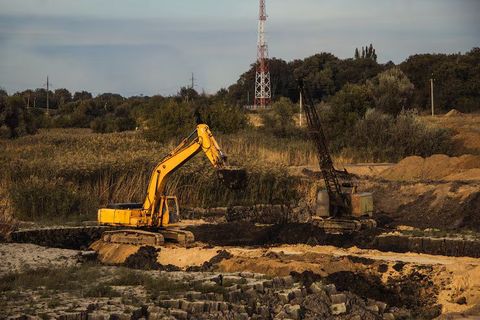
- Hydraulic breakers: Attached to excavators, these tools use repeated impact to break rock.
- Rock drills: Used to create holes for controlled fragmentation or insertion of splitting agents.
- Hydraulic splitters: Apply pressure within drilled holes to fracture rock without explosives.
- Diamond wire saws: Cut through rock with precision, often used in quarrying and specialized construction.
- Expansive chemical agents: Materials placed in drilled holes that expand and crack rock over time.
Digital and Analytical Tools
- Geological modeling software: Helps analyze rock formations and predict behavior.
- Vibration monitoring systems: Measure ground movement during breaking operations.
- Project management platforms: Assist in scheduling, resource allocation, and documentation.
- Simulation tools: Allow testing of different rock breaking scenarios before implementation.
Example Comparison of Techniques
| Technique | Method Type | Vibration Level | Precision Level | Typical Use Case |
|---|---|---|---|---|
| Controlled blasting | Explosive | High | Moderate | Large-scale mining |
| Hydraulic breaking | Mechanical | Medium | Moderate | Construction and demolition |
| Hydraulic splitting | Non-explosive | Low | High | Urban and confined environments |
| Diamond wire cutting | Mechanical | Very low | Very high | Precision cutting in quarries |
| Chemical expansion agents | Non-explosive | Very low | High | Sensitive structures nearby |
These tools and resources enable engineers and operators to select the most suitable technique based on project requirements, rock type, and environmental conditions.
FAQs
What are advanced rock breaking techniques?
Advanced rock breaking techniques refer to modern methods used to fragment rock using controlled, efficient, and safer approaches. These include hydraulic systems, non-explosive agents, and precision cutting technologies.
How do non-explosive rock breaking methods work?
Non-explosive methods use mechanical force or chemical expansion to crack rock. For example, hydraulic splitters apply internal pressure, while chemical agents expand داخل drilled holes, gradually breaking the rock.
Where are advanced rock breaking techniques commonly used?
These techniques are widely used in construction, mining, tunneling, quarrying, and infrastructure projects such as roads, bridges, and underground utilities.
Are advanced rock breaking techniques environmentally friendly?
Many modern methods are designed to reduce environmental impact. Techniques with low vibration and dust generation are often used in areas where environmental protection is important.
What factors influence the choice of rock breaking method?
Key factors include rock type, project size, location, environmental constraints, and required precision. Engineers evaluate these conditions to select the most suitable technique.
Conclusion
Advanced rock breaking techniques have evolved to meet the demands of modern construction and resource development. They provide safer, more precise, and environmentally considerate ways to handle hard rock. With ongoing improvements in technology and monitoring systems, these methods continue to adapt to changing industry needs. Understanding their applications and tools helps clarify their role in shaping infrastructure and development projects.