Air Filtration Units Overview: Filtration Mechanisms, Environmental Impact, Health Benefits, and Operational Guidance
Air filtration units are mechanical systems designed to remove airborne particles, pollutants, and contaminants from indoor or industrial air. They are commonly integrated into HVAC air purification systems, standalone air cleaning devices, and large-scale industrial air filtration technology setups.
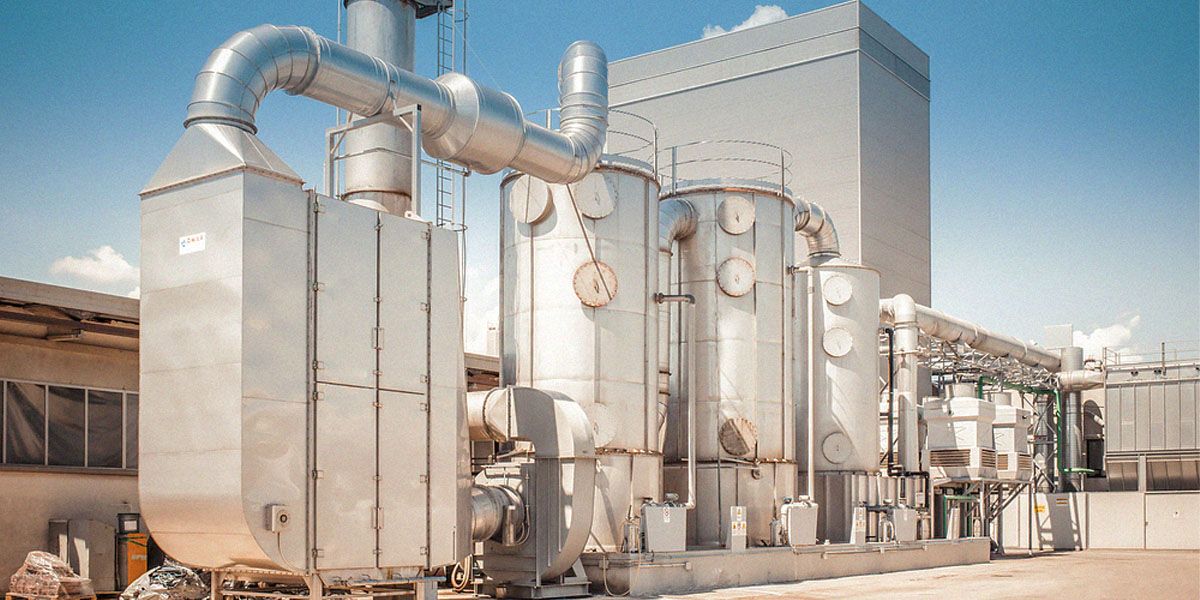
The primary purpose of an air filtration unit is to improve indoor air quality (IAQ) by capturing particles such as dust, pollen, smoke, bacteria, and other microscopic pollutants. In commercial and industrial settings, advanced air pollution control systems are used to manage emissions and maintain safe air standards.
Modern air filtration units typically use layered filters, fans, and sometimes electrostatic or activated carbon components. One of the most recognized technologies is the HEPA filter system, which is engineered to capture very fine particles.
Air filtration exists because indoor environments often contain higher concentrations of pollutants than outdoor air. Urbanization, industrial activity, and energy-efficient building designs that limit natural ventilation have increased reliance on controlled mechanical air cleaning systems.
Why Air Filtration Matters Today
Air filtration has become increasingly important due to rising concerns about air pollution, respiratory health, and environmental sustainability.
Poor indoor air quality can affect:
-
Children and elderly individuals
-
People with asthma or allergies
-
Office workers in sealed buildings
-
Industrial employees exposed to airborne particulates
Airborne contaminants can contribute to respiratory irritation, fatigue, and long-term health risks. High-performance commercial air filtration systems help reduce these risks by maintaining cleaner indoor environments.
Air filtration units also support:
-
Indoor air quality compliance standards
-
Cleaner industrial emissions
-
Reduced particulate matter exposure
-
Improved environmental health metrics
In urban regions with high particulate matter levels, energy efficient air filters play a dual role. They help maintain indoor comfort while reducing strain on HVAC systems. This improves operational efficiency and supports sustainability goals.
From residential homes to hospitals and manufacturing plants, air filtration technology addresses multiple public health and environmental challenges.
How Air Filtration Mechanisms Work
Air filtration units rely on different mechanisms depending on their design and application.
Common filtration mechanisms include:
-
Mechanical filtration (fiberglass or pleated filters)
-
HEPA filter systems for fine particle capture
-
Activated carbon filters for odor and gas absorption
-
Electrostatic precipitation
-
UV-based microbial control
The effectiveness of these systems is often measured using standards such as Minimum Efficiency Reporting Value (MERV) ratings or HEPA performance classifications.
Below is a simplified comparison table of common filter types:
| Filter Type | Primary Function | Typical Application | Particle Efficiency |
|---|---|---|---|
| Fiberglass Filter | Basic dust capture | Residential HVAC systems | Low |
| Pleated Filter (MERV 8–13) | Improved particulate filtration | Homes and offices | Medium |
| HEPA Filter System | Fine particle removal | Healthcare, labs, clean rooms | High |
| Activated Carbon Filter | Gas and odor absorption | Industrial and urban environments | Gas-specific |
| Electrostatic Filter | Charged particle capture | Commercial air filtration systems | Medium to High |
Many advanced HVAC air purification systems combine multiple filter stages to maximize overall performance.
Environmental Impact and Sustainability Trends
Air filtration units influence environmental outcomes in several ways.
On one hand, industrial air filtration technology reduces harmful emissions, contributing to cleaner air and improved community health. On the other hand, filters require energy and materials, which can affect carbon footprints if not managed efficiently.
Recent developments in energy efficient air filters focus on:
-
Low-resistance airflow design
-
Recyclable filter materials
-
Extended filter lifespan
-
Smart indoor air quality monitoring integration
Smart sensors and automated controls are increasingly embedded into air pollution control systems. These systems adjust airflow and filtration intensity based on real-time air quality data, improving efficiency.
A simplified airflow model is shown below:
Polluted Air → Pre-Filter → HEPA or High-Efficiency Filter → Optional Carbon Layer → Clean Air Output
By optimizing airflow resistance and maintenance cycles, organizations can balance environmental performance with operational efficiency.
Recent Developments and Emerging Trends
In the past year, several trends have shaped the air filtration sector globally.
Increased focus on indoor air quality monitoring has led to the integration of digital air sensors in both residential and commercial air filtration systems. These sensors track particulate matter (PM2.5 and PM10), carbon dioxide levels, and humidity.
There has also been growing attention to:
-
Sustainable filter materials
-
Reduced energy consumption in HVAC air purification
-
Standardization of indoor air quality reporting metrics
-
Enhanced filtration for public infrastructure such as schools and healthcare facilities
Government-backed air quality awareness campaigns in various countries have increased public interest in air filtration units. This has led to more discussions about indoor air standards and long-term environmental strategies.
Manufacturers are also emphasizing modular industrial air filtration technology to allow scalable installation in warehouses and factories.
Regulations, Standards, and Policy Considerations
Air filtration units are influenced by national and regional environmental policies.
In the United States, the Environmental Protection Agency provides guidance on indoor air quality and air pollution control.
The Occupational Safety and Health Administration establishes workplace air quality requirements to protect employees from hazardous airborne exposure.
Internationally, organizations such as the World Health Organization publish air quality guidelines that influence national standards.
Many countries adopt regulations that address:
-
Emission control in industrial facilities
-
Indoor air standards for public buildings
-
HVAC system performance benchmarks
-
Energy efficiency certification programs
Building codes often require compliance with minimum filtration standards in commercial structures. In some regions, sustainability certifications incorporate indoor air quality performance indicators.
Compliance ensures that air filtration systems meet public health and environmental benchmarks without making unsupported health claims.
Tools and Resources for Air Quality Management
Various tools and digital resources support effective air filtration management.
Indoor air quality monitoring devices measure real-time pollutant levels and provide data dashboards. These devices often track:
-
PM2.5 and PM10
-
CO₂ concentration
-
Temperature and humidity
-
Volatile organic compounds
Building management systems integrate HVAC air purification controls with smart automation platforms.
Commonly used resource categories include:
-
Indoor air quality assessment templates
-
Filter replacement tracking logs
-
Energy efficiency calculators
-
Maintenance scheduling software
-
Emission reporting frameworks
Below is an example of a maintenance tracking structure:
| Task | Frequency | Responsible Party |
|---|---|---|
| Pre-filter inspection | Monthly | Facility technician |
| HEPA filter inspection | Quarterly | HVAC specialist |
| Carbon filter check | Semi-annually | Maintenance supervisor |
| System airflow calibration | Annually | Certified technician |
These tools help organizations maintain compliance and operational performance.
Frequently Asked Questions
What is the difference between HEPA and standard filters?
A HEPA filter system is designed to capture very fine particles, including microscopic pollutants. Standard filters primarily capture larger dust particles and debris.
How often should air filters be replaced?
Replacement intervals vary depending on system type, usage, and environmental conditions. Residential systems may require changes every few months, while industrial air filtration technology follows structured maintenance schedules.
Do air filtration units remove odors?
Units with activated carbon filters can reduce odors and certain gaseous pollutants. Mechanical filters alone do not effectively absorb gases.
Are air filtration systems energy intensive?
Energy use depends on design and airflow resistance. Energy efficient air filters are engineered to reduce strain on HVAC systems while maintaining filtration performance.
Can air filtration improve overall indoor air quality?
Yes, when properly installed and maintained, commercial air filtration systems and residential units can significantly reduce airborne particles and improve indoor air quality monitoring metrics.
Conclusion
Air filtration units play a critical role in maintaining healthy indoor environments and reducing environmental pollution. Through mechanical filtration, HEPA filter systems, activated carbon components, and advanced industrial air filtration technology, these systems address diverse air quality challenges.
Their importance continues to grow as awareness of air pollution and respiratory health increases. Regulatory guidance from national and international organizations reinforces the need for compliant and efficient air pollution control systems.
By combining energy efficient air filters, indoor air quality monitoring tools, and structured maintenance practices, individuals and organizations can maintain cleaner air environments while supporting sustainability objectives.
Air filtration is not a single solution but a coordinated system of technology, policy compliance, and informed operation.

