Antarctica Expedition Cruises Explained: Learn Route Details, Iceberg Facts, Wildlife Encounters, Safety Guidelines, and Travel Insights
Antarctica expedition cruises are specialized voyages designed to explore the southernmost continent on Earth. Unlike traditional ocean cruises focused on entertainment and large ports, these journeys prioritize education, research awareness, and environmental respect.
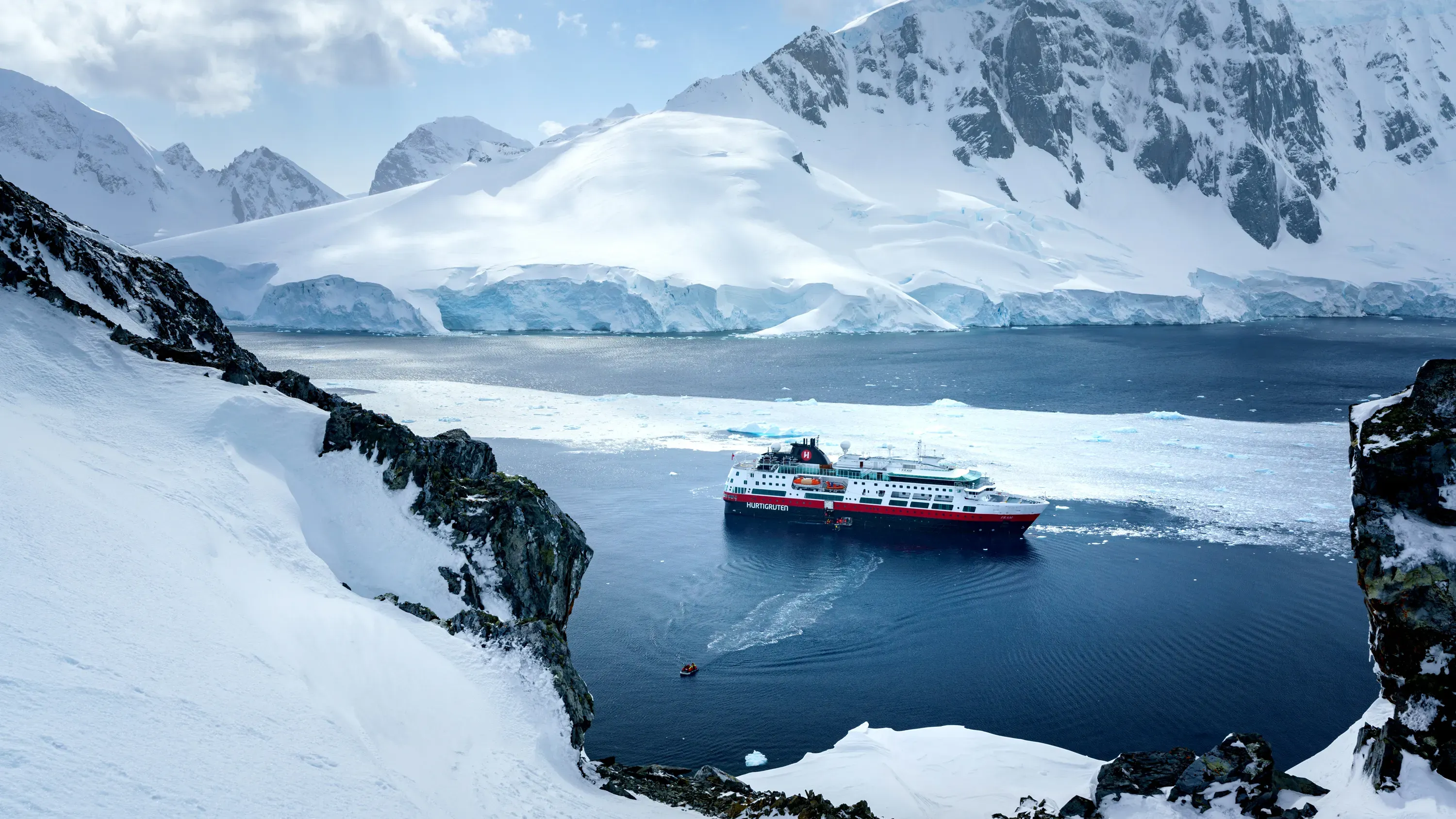
Antarctica exists as a protected wilderness governed by international cooperation. It has no permanent residents and is primarily dedicated to scientific research. Expedition cruises emerged to allow controlled public access while maintaining strict ecological safeguards.
Most voyages depart from the southern tip of South America and travel across the Drake Passage toward the Antarctic Peninsula. Ships are typically smaller than mainstream cruise liners, allowing for flexible navigation through sea ice and closer shoreline access using inflatable landing boats known as Zodiacs.
These expeditions often include onboard lectures by naturalists, marine biologists, and polar historians. Travelers learn about:
-
Ice formation and glaciology
-
Polar climate systems
-
Antarctic wildlife habitats
-
Historic exploration routes
The experience blends environmental science, geography, and adventure travel into one structured learning journey.
Why Antarctica Expedition Cruises Matter Today
Antarctica plays a critical role in global climate systems. Its ice sheets regulate sea levels, reflect solar radiation, and influence ocean currents. Expedition cruises help increase public understanding of these global processes.
Educational travel in Antarctica supports:
-
Climate awareness
-
Environmental research funding
-
Responsible eco-tourism standards
-
Scientific literacy
As global interest in polar travel increases, regulated expedition cruises provide a structured way for visitors to witness fragile ecosystems without uncontrolled tourism.
Who does this topic affect?
-
Environmental researchers and climate scientists
-
Adventure travelers and geography enthusiasts
-
Conservation organizations
-
Governments involved in Antarctic governance
The main challenge solved by expedition cruises is access. Antarctica is remote, harsh, and logistically complex. Carefully planned voyages provide:
-
Safe navigation through icy waters
-
Environmental compliance
-
Wildlife protection measures
-
Medical preparedness in remote areas
These cruises balance public access with ecological preservation.
Popular Routes and Iceberg Facts
Several expedition routes operate depending on weather and ice conditions.
Common Routes
Antarctic Peninsula Route
The most accessible region. Known for glaciers, penguin colonies, and dramatic mountain landscapes.
South Georgia Route
Famous for king penguin colonies and sub-Antarctic biodiversity.
Weddell Sea Route
Characterized by heavy sea ice and massive tabular icebergs.
Ross Sea Route
More remote and often used for extended research-focused expeditions.
Iceberg Formation Overview
| Iceberg Type | Description | Origin Source |
|---|---|---|
| Tabular | Flat-topped, large surface area | Ice shelf break-off |
| Pinnacle | Tall and spired | Glacier calving |
| Blocky | Rough edges, angular | Broken glacier ice |
| Growler | Small fragments near waterline | Ice fragmentation |
Icebergs form when glaciers or ice shelves fracture, a process known as calving. Approximately 90% of an iceberg remains underwater, which is why navigation requires specialized radar and ice-trained crews.
Wildlife Encounters in Antarctica
Wildlife is one of the defining features of Antarctic expeditions. The continent hosts species adapted to extreme cold and seasonal darkness.
Common wildlife sightings include:
Penguins
-
Emperor penguins
-
Adélie penguins
-
Gentoo penguins
-
Chinstrap penguins
Marine Mammals
-
Humpback whales
-
Minke whales
-
Leopard seals
-
Weddell seals
Birdlife
-
Albatross species
-
Petrels
-
Skuas
Wildlife guidelines are strict. Visitors must:
-
Maintain minimum distance from animals
-
Avoid sudden movements
-
Refrain from feeding wildlife
-
Disinfect boots before shore landings
These protocols reduce stress on animals and prevent biological contamination.
Recent Trends in Polar Expedition Travel
Interest in Antarctica expedition cruises has increased steadily. Over the past year, several observable trends have shaped the industry:
Smaller Vessel Preference
Travelers are showing interest in vessels carrying fewer passengers. Smaller ships allow more frequent landings and reduced environmental footprint.
Hybrid-Electric Technology
Some expedition vessels now incorporate hybrid propulsion systems designed to reduce fuel consumption and underwater noise pollution.
Enhanced Environmental Monitoring
New onboard systems track emissions, waste management efficiency, and energy use.
Expanded Scientific Participation
Certain voyages include citizen science programs, allowing travelers to assist researchers by recording wildlife data or photographing ice formations.
Stronger Weather Forecasting Systems
Advancements in satellite-based forecasting improve route planning and safety during Drake Passage crossings.
These developments reflect growing awareness of sustainable tourism practices in fragile ecosystems.
Regulations and International Policies Governing Antarctic Travel
Antarctica is governed under the Antarctic Treaty System. The key agreement is the Antarctic Treaty, which designates the continent for peaceful and scientific purposes.
Key Policy Frameworks
Environmental Protection Protocol
This protocol emphasizes conservation and prohibits mineral resource extraction.
IAATO Guidelines
The International Association of Antarctica Tour Operators sets strict visitor guidelines, including:
-
Passenger limits per landing site
-
Wildlife approach distances
-
Waste removal requirements
-
Biosecurity standards
Passenger Caps
No more than 100 passengers are allowed ashore at one time at most landing sites.
Environmental Impact Assessments
Operators must conduct impact evaluations before operating.
These policies protect Antarctica’s ecosystems while allowing controlled educational exploration.
Safety Guidelines for Expedition Cruises
Safety in Antarctica requires preparation due to extreme weather, icy waters, and remote geography.
Key Safety Measures
Ice-Class Ships
Vessels are reinforced for navigation in sea ice.
Medical Facilities
Ships carry onboard doctors and emergency equipment.
Mandatory Briefings
Passengers attend safety and environmental briefings before landings.
Weather Monitoring
Real-time satellite tracking assists route adjustments.
Layered Clothing System
| Layer Type | Purpose |
|---|---|
| Base Layer | Moisture control |
| Mid Layer | Insulation |
| Outer Shell | Wind and waterproof protection |
Weather can shift rapidly, with strong winds and sub-zero temperatures. Proper gear and adherence to instructions are essential.
Tools and Resources for Antarctica Expedition Planning
While Antarctica has limited infrastructure, several tools support preparation and education.
Navigation and Weather Tracking
-
Marine weather forecasting systems
-
Satellite tracking tools
-
Polar navigation charts
Educational Resources
-
Polar research institute publications
-
Wildlife identification guides
-
Climate data visualization platforms
Health Preparation Tools
-
Cold-weather gear checklists
-
Travel insurance comparison tools
-
Medical fitness consultation templates
Environmental Monitoring Tools
-
Citizen science data recording apps
-
Carbon footprint calculators
-
Ice mapping satellite databases
These tools enhance preparedness and environmental awareness before and during expeditions.
Frequently Asked Questions
What is the best time to visit Antarctica?
The Antarctic travel season typically occurs during the austral summer when sea ice retreats and wildlife activity increases.
Is Antarctica safe for travelers?
Yes, when traveling on regulated expedition cruises that follow international guidelines and safety standards.
Do expedition cruises allow shore landings?
Most expedition voyages include guided Zodiac landings, weather permitting, with strict passenger limits per site.
How cold does it get during cruises?
Temperatures vary depending on location and wind conditions but often remain below freezing, particularly with wind chill.
Is wildlife interaction allowed?
Direct interaction is prohibited. Visitors observe animals from regulated distances to protect ecosystems.
Conclusion
Antarctica expedition cruises combine environmental education, scientific awareness, and structured adventure travel. These voyages exist because global interest in polar exploration has grown, yet preservation remains the top priority.
Through regulated frameworks like the Antarctic Treaty and oversight from IAATO, access is managed carefully. Modern expedition ships incorporate improved safety systems and sustainability technologies, reflecting a broader shift toward responsible tourism.
Understanding route options, iceberg science, wildlife guidelines, and safety protocols allows travelers to approach Antarctica with knowledge and respect. In doing so, expedition cruises serve not only as travel experiences but also as platforms for climate awareness and global environmental responsibility.

