Ayurveda Healing Retreats Explained: Insights, Panchakarma Basics, Detox Methods, Natural Therapy Explanation, and Wellness Facts
Ayurveda healing retreats are structured wellness programs based on traditional Indian medical knowledge known as Ayurveda. These retreats focus on restoring balance in the body and mind through herbal therapy, detoxification techniques, yoga, meditation, and dietary guidance.
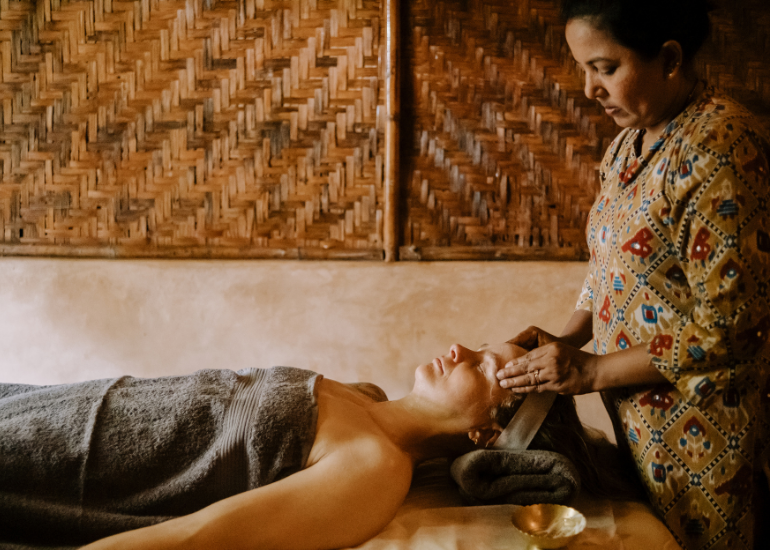
The word Ayurveda means “knowledge of life.” It is a holistic health system that originated in India thousands of years ago and is still practiced today. Healing retreats based on Ayurveda aim to create an environment where individuals can step away from daily stress and focus on preventive healthcare, natural detox programs, and mind-body wellness practices.
Ayurveda identifies three primary energies, called doshas: Vata, Pitta, and Kapha. According to this system, imbalance among these doshas may contribute to physical discomfort, digestive problems, stress, or fatigue. Healing retreats typically begin with a wellness assessment to identify individual constitution and imbalance patterns before recommending therapies.
These retreats commonly include:
-
Panchakarma detox therapy
-
Ayurvedic massage (Abhyanga)
-
Herbal medicine preparation
-
Yoga and meditation sessions
-
Ayurvedic nutrition planning
The purpose is not instant results but gradual restoration of balance and improved lifestyle awareness.
Why Ayurveda Healing Retreats Matter Today
Modern lifestyles often involve long screen hours, irregular sleep, processed food consumption, and chronic stress. These habits are linked to digestive disorders, anxiety, sleep disturbances, and metabolic imbalance. Ayurveda wellness retreats aim to address these concerns through natural detox methods and structured routines.
The importance of Ayurvedic detox retreats is connected to several global health trends:
-
Growing interest in holistic wellness
-
Increased awareness of stress-related conditions
-
Demand for preventive health practices
-
Focus on gut health and immune balance
-
Integration of traditional medicine with modern research
Many participants seek retreats for stress management, digestive reset programs, hormonal balance support, or lifestyle modification guidance. While Ayurveda does not replace emergency medical care, it is often explored as a complementary wellness approach.
Below is a simplified comparison table showing common goals of participants and corresponding Ayurvedic approaches:
| Common Wellness Concern | Ayurvedic Perspective | Typical Retreat Practice |
|---|---|---|
| Chronic Stress | Vata imbalance | Oil massage, meditation, routine stabilization |
| Digestive Discomfort | Weak digestive fire (Agni) | Herbal detox, dietary correction |
| Low Energy | Kapha stagnation | Dry massage, light diet, breathing exercises |
| Skin Concerns | Pitta imbalance | Cooling herbs, detox therapy |
| Sleep Disturbance | Nervous system imbalance | Herbal support, calming rituals |
Ayurvedic healing retreats emphasize structured daily routines (Dinacharya), balanced meals, herbal formulations, and guided rest periods. These programs encourage sustainable lifestyle adjustments rather than short-term changes.
Recent Developments in Ayurvedic Wellness
Interest in Ayurveda has expanded beyond India, especially in integrative medicine and global wellness tourism discussions. In recent updates within the wellness sector:
-
Government-supported Ayurveda research programs have increased clinical documentation on herbal formulations.
-
Digital health platforms now include Ayurvedic constitution (dosha) assessment tools.
-
International wellness standards are increasingly incorporating traditional medicine frameworks.
-
Scientific publications continue exploring herbal compounds used in Panchakarma detox methods.
Public health institutions in India have continued promoting traditional medicine under organized systems. Academic institutions are conducting research into plant-based therapies and preventive healthcare models.
There has also been rising academic interest in evidence-based Ayurveda, where researchers attempt to standardize protocols for therapies like Panchakarma while respecting classical texts.
Legal and Policy Framework in India
Ayurveda healing retreats in India operate under regulations connected to the Ministry of AYUSH. The Ministry of AYUSH oversees traditional systems including Ayurveda, Yoga, Unani, Siddha, and Homeopathy.
Key regulatory aspects include:
-
Practitioner qualification standards under the Central Council of Indian Medicine framework.
-
State-level licensing requirements for Ayurvedic medical centers.
-
Guidelines on herbal medicine manufacturing and labeling.
-
Accreditation programs for wellness centers.
Government programs promote quality control, research funding, and educational curriculum standards. Herbal formulations must comply with national pharmacopoeia guidelines.
Internationally, Ayurvedic retreats may be regulated under complementary medicine laws, which vary by country. Some nations classify Ayurveda as traditional medicine, while others categorize it under wellness services.
Regulatory compliance is important for safety, hygiene standards, and practitioner qualifications.
Panchakarma Basics and Detox Methods
Panchakarma is one of the most recognized detox programs in Ayurveda. The term means “five actions.” It is a structured cleansing process intended to eliminate accumulated toxins (Ama) and restore metabolic balance.
The five classical procedures include:
-
Vamana (therapeutic emesis)
-
Virechana (therapeutic purgation)
-
Basti (medicated enema therapy)
-
Nasya (nasal administration of herbal oils)
-
Raktamokshana (blood purification methods in specific cases)
Before these procedures, preparatory steps are performed:
-
Snehana (internal and external oil application)
-
Swedana (herbal steam therapy)
The detox process is individualized. Not every participant undergoes all five procedures. Therapies are selected based on constitution and health assessment.
Below is a simplified detox flow chart representation:
Preparation Phase → Mobilization of toxins → Elimination therapy → Rest and recovery → Rejuvenation phase
Rejuvenation may include Rasayana therapy, which focuses on strengthening tissues and supporting longevity.
It is important to note that Panchakarma is typically supervised by trained professionals due to its intensity.
Tools and Resources for Understanding Ayurveda
Individuals researching Ayurvedic healing retreats can use educational tools and structured resources to improve understanding:
-
Dosha assessment questionnaires (available through Ayurvedic institutions)
-
Digital wellness tracking apps that monitor sleep, diet, and routine
-
Government portals related to traditional medicine education
-
Academic journals covering herbal pharmacology
-
Ayurveda pharmacopoeia reference books
-
Meditation and breathing technique mobile applications
-
Yoga practice guides and instructional manuals
-
Research databases focused on integrative medicine
Some universities also provide open-access lectures on Ayurvedic fundamentals, covering anatomy concepts like Dhatus (body tissues), Agni (digestive fire), and Ojas (vital essence).
These resources support informed decision-making and help individuals understand the theoretical framework before attending a retreat.
Frequently Asked Questions
What is the main purpose of an Ayurveda healing retreat?
The primary purpose is to restore balance between body and mind using natural therapies such as herbal treatments, structured detox programs, yoga, and meditation.
Is Panchakarma safe for everyone?
Panchakarma is a specialized detox method and may not be suitable for all individuals. It requires professional evaluation, especially for people with chronic medical conditions.
How long does an Ayurvedic detox program usually last?
Programs can vary from a few days to several weeks, depending on individual goals and health assessment findings.
Does Ayurveda replace conventional medical treatment?
Ayurveda is generally considered a complementary approach. It should not replace emergency or essential medical care without professional guidance.
What are common natural therapies used in retreats?
Common therapies include Abhyanga massage, Shirodhara (oil pouring therapy), herbal steam treatment, guided breathing exercises, and Ayurvedic dietary planning.
Conclusion
Ayurveda healing retreats represent a structured approach to holistic wellness rooted in traditional Indian medicine. Through Panchakarma detox methods, herbal therapies, mindful routines, and dietary guidance, these retreats aim to support preventive health and lifestyle balance.
In today’s fast-paced environment, many individuals seek natural detox programs and integrative wellness strategies to manage stress and improve overall well-being. While scientific validation continues to expand, Ayurveda remains widely practiced under regulatory frameworks, particularly in India.
Understanding the basics—doshas, detox processes, regulatory standards, and available educational tools—helps individuals make informed decisions. Ayurveda healing retreats are best approached as part of a broader wellness journey that emphasizes balance, moderation, and sustainable habits rather than quick results.

