Why Block Making Machines Matter Today
The construction sector continues to expand in urban and semi-urban areas. As infrastructure projects grow in scale, the demand for standardized masonry units increases.
Block making machines matter because they:
-
Improve structural consistency
-
Reduce manual labor intensity
-
Enhance productivity per cycle
-
Support large-scale infrastructure development
-
Minimize material wastage
These machines affect:
-
Construction contractors
-
Infrastructure planners
-
Real estate developers
-
Manufacturing engineers
-
Quality control professionals
They help solve common industry challenges such as:
-
Inconsistent block strength
-
Poor dimensional tolerance
-
Slow manual production
-
Excessive raw material loss
With growing emphasis on sustainable construction materials, many machines are now designed to incorporate fly ash, recycled aggregates, and eco-friendly cement blends.
Design and Functional Overview
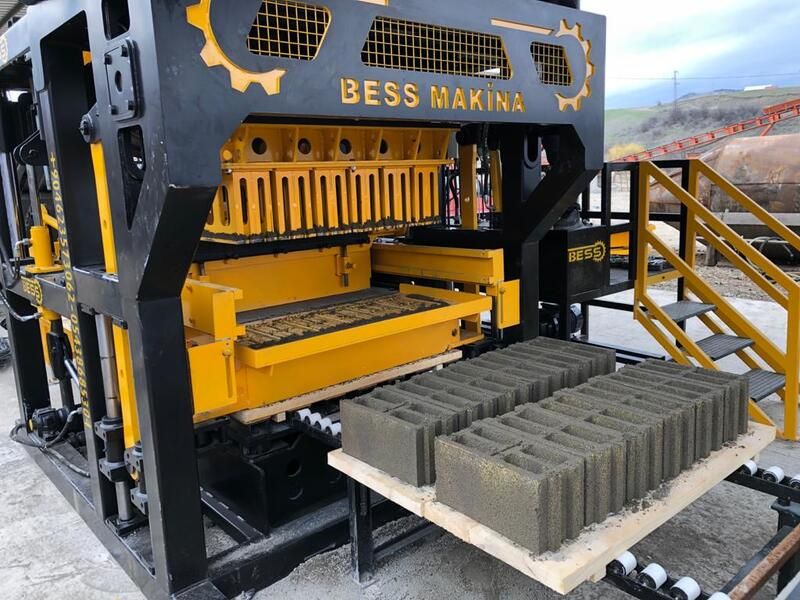
Most block making machines operate on a vibration and hydraulic compression principle.
Basic production process:
-
Raw material batching and mixing
-
Material feeding into mold cavity
-
Vibration compaction
-
Hydraulic pressing
-
Block demolding
-
Curing process
Machine Types and Characteristics
| Machine Type | Operation Mode | Output Volume | Automation Level | Suitable For |
|---|
| Manual | Hand-operated | Low | Minimal | Small-scale projects |
| Semi-automatic | Motorized with manual handling | Medium | Moderate | Mid-scale production |
| Fully automatic | PLC-controlled | High | Advanced | Large construction projects |
Key technical factors influencing performance:
-
Vibration frequency
-
Hydraulic pressure capacity
-
Mold material durability
-
Cycle time per batch
-
Power consumption
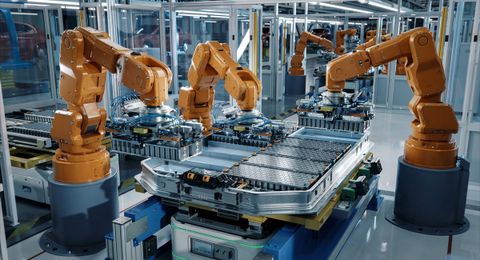
Advanced systems often include programmable logic controllers (PLC) and automated stacking units, allowing higher precision and monitoring capabilities.
Maintenance Tips for Long-Term Performance
Routine maintenance is essential for operational efficiency and machine longevity.
Important maintenance practices:
-
Daily cleaning of molds and vibration plates
-
Hydraulic oil level inspection
-
Lubrication of moving components
-
Checking alignment of mold and press head
-
Monitoring electrical wiring and control panels
Preventive maintenance reduces downtime and ensures consistent block density.
Maintenance Frequency Guide
| Component | Inspection Frequency |
|---|
| Hydraulic system | Weekly |
| Mold condition | Daily |
| Electrical system | Monthly |
| Vibration motor | Weekly |
| Conveyor alignment | Bi-weekly |
Proper maintenance directly influences:
-
Product strength
-
Surface finish quality
-
Energy efficiency
-
Equipment lifespan
Recent Industry Trends and Developments
The block manufacturing industry has seen notable technological advancements in the past year.
Key trends include:
-
Increased adoption of PLC-based automation systems
-
Integration of IoT monitoring for production data tracking
-
Use of eco-friendly raw materials such as fly ash blocks
-
Energy-efficient vibration motors
-
Modular mold designs for multiple block shapes
Manufacturers are focusing on smart manufacturing practices, including:
-
Real-time production monitoring
-
Predictive maintenance alerts
-
Reduced carbon footprint in block production
Sustainability and digital integration are now central themes in industrial machinery innovation.
Laws and Policies Affecting Block Manufacturing
Block production is influenced by construction standards, environmental regulations, and industrial safety rules.
In India, regulations from the Bureau of Indian Standards define specifications for concrete masonry units. Compliance ensures that blocks meet required compressive strength and dimensional accuracy standards.
Environmental policies under the Central Pollution Control Board regulate dust emissions, waste disposal, and noise levels in manufacturing facilities.
Factories operating under the Ministry of Labour and Employment must follow safety standards related to:
-
Machine guarding
-
Electrical safety
-
Worker protective equipment
-
Noise exposure limits
Some states promote fly ash block production under sustainability initiatives to reduce environmental impact from coal-based power plants.
Regulatory compliance ensures:
-
Worker safety
-
Product quality
-
Environmental protection
-
Legal operational status
Tools and Resources for Block Production Planning
Several tools and digital resources assist manufacturers and engineers in optimizing production.
Helpful tools include:
-
Concrete mix design calculators
-
Production capacity planning spreadsheets
-
Hydraulic pressure calculators
-
Preventive maintenance tracking templates
-
Inventory management software
Engineering professionals often use:
-
CAD software for mold design
-
ERP systems for production tracking
-
Quality testing equipment for compressive strength analysis
Block Strength Test Chart
| Test Type | Purpose |
|---|
| Compressive Strength Test | Measures load-bearing capacity |
| Water Absorption Test | Evaluates porosity |
| Dimensional Accuracy Check | Ensures uniform size |
| Density Test | Assesses compaction quality |
Accurate data tracking improves operational efficiency and quality control.
Frequently Asked Questions
What is the main difference between manual and automatic block making machines?
Manual machines rely heavily on human effort for pressing and demolding, while automatic systems use hydraulic and electronic controls for higher output and consistency.
How long does a block making machine typically last?
With proper maintenance and controlled operating conditions, industrial machines can function efficiently for many years. Lifespan depends on usage intensity and maintenance quality.
What materials are used in block production?
Common materials include cement, sand, aggregates, water, and sometimes fly ash or additives to improve strength and sustainability.
How is block strength tested?
Blocks undergo compressive strength testing using standardized load-testing equipment to verify structural reliability.
Are block making machines environmentally friendly?
Modern machines are designed to reduce material waste, improve energy efficiency, and support the use of recycled materials, contributing to sustainable construction practices.
Conclusion
Block making machines play a critical role in modern construction by enabling efficient, consistent, and scalable production of concrete blocks. Their design integrates vibration technology, hydraulic systems, and automated controls to ensure structural reliability and dimensional precision.
As infrastructure development continues to expand, the importance of quality-controlled masonry production grows. Technological advancements such as PLC automation, IoT integration, and eco-friendly material compatibility are shaping the industry’s direction.
Compliance with safety standards and environmental regulations ensures responsible manufacturing practices. Through proper maintenance, data monitoring, and adherence to regulatory guidelines, these machines support durable construction and sustainable growth.
Understanding their functionality, maintenance requirements, and regulatory context helps construction professionals make informed operational decisions while maintaining quality and efficiency in block production systems.