Bottling Line Machinery Overview: Discover System Basics, Functions, and Industry Insights
Bottling line machinery refers to a coordinated set of automated industrial equipment designed to fill, seal, label, and package liquid products into containers. These systems are commonly used in manufacturing environments where beverages, chemicals, pharmaceuticals, and other liquid goods must be prepared for distribution. The machinery operates as a continuous production line in which each stage performs a specific function within a controlled workflow.
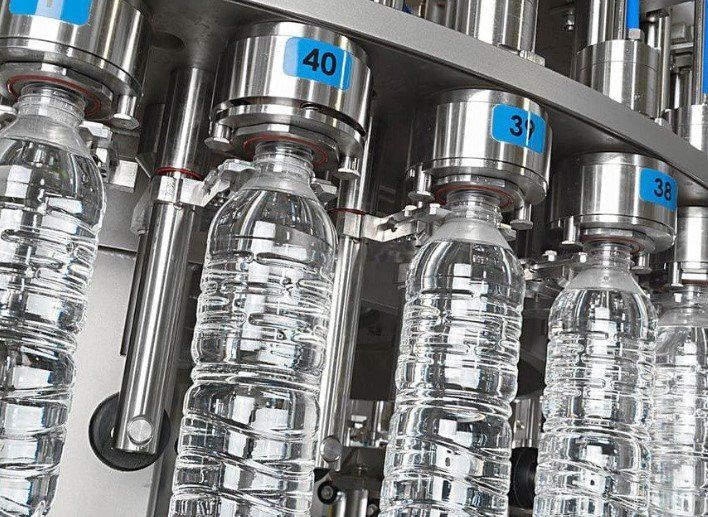
Modern bottling line equipment combines industrial automation technology, precision filling systems, conveyor transport mechanisms, and packaging line equipment to maintain consistency and efficiency. Instead of handling each container individually, automated production lines allow thousands of containers to move through the process in a structured sequence.
A typical bottling system may include multiple integrated components:
-
Bottle feeding and orientation machines
-
Liquid filling equipment
-
Cap placement and sealing machines
-
Labeling and inspection units
-
Conveyor belt systems
-
Packaging and palletizing machinery
These components are connected through manufacturing automation systems that regulate speed, synchronization, and quality control. Sensors and programmable logic controllers monitor the process to ensure accurate filling volumes and proper container handling.
The development of bottling line machinery is closely linked to the growth of industrial manufacturing systems and global product distribution. As industries scaled production, manual bottling processes became impractical. Automated machinery emerged to improve throughput, reduce variability, and maintain hygiene standards across manufacturing facilities.
Today, bottling systems represent an essential element of industrial packaging technology, allowing manufacturers to handle high production volumes while maintaining consistency in container filling and sealing operations.
Importance: Why Bottling Line Machinery Matters in Modern Manufacturing
Bottling line machinery plays a critical role in industries that rely on packaged liquids. This includes sectors such as food and beverage production, pharmaceutical manufacturing, chemical processing, and personal care products. Efficient packaging operations are essential because the bottling stage connects production with distribution.
Industrial bottling systems help address several operational challenges commonly found in manufacturing environments.
Key benefits associated with automated bottling technology include:
-
Production efficiency through continuous processing of containers
-
Accuracy in filling volumes, which supports product consistency
-
Quality control mechanisms using automated inspection systems
-
Reduced manual handling, which lowers contamination risks
-
Scalable operations for high-volume manufacturing environments
Manufacturers rely on packaging automation technology to ensure that liquid products move from processing stages to finished packaging without delays. When bottling systems operate efficiently, the entire production workflow becomes more predictable.
The following table illustrates common bottling line stages and their primary functions within industrial production systems.
| Bottling Stage | Main Function | Typical Equipment |
|---|---|---|
| Bottle Preparation | Organizing and feeding containers | Bottle unscramblers |
| Filling Process | Dispensing liquid into containers | Liquid filling machines |
| Sealing Stage | Securing caps or closures | Capping machinery |
| Label Application | Adding identification labels | Automated labeling systems |
| Packaging | Grouping containers for transport | Cartoning or palletizing equipment |
Beyond production efficiency, bottling line systems also influence industrial process optimization. When integrated with digital monitoring systems, manufacturers can track operational performance, detect anomalies, and adjust production speeds in real time.
Industries that depend heavily on liquid packaging view bottling technology as a central component of industrial manufacturing infrastructure. Without reliable bottling systems, even well-designed production facilities may experience bottlenecks between processing and packaging stages.
Recent Updates: Developments in Bottling Line Technology
Advancements in industrial automation have significantly influenced the design of bottling machinery in recent times. Manufacturers increasingly integrate smart manufacturing systems, robotics, and digital monitoring platforms into bottling operations.
One important development is the use of sensor-based filling technology. Sensors monitor container position, liquid levels, and flow rates during the filling process. This approach improves accuracy and minimizes product waste.
Another emerging trend involves data-driven manufacturing environments. Production lines now incorporate industrial software platforms that analyze equipment performance, downtime patterns, and production throughput. These analytics tools help facility managers evaluate operational efficiency.
Recent industry developments include:
-
Greater use of robotic palletizing systems for packaging stages
-
Integration of industrial Internet of Things (IIoT) monitoring systems
-
Adoption of energy-efficient conveyor systems
-
Increased focus on sanitary design for beverage and pharmaceutical lines
-
Advanced vision inspection technology for label accuracy and cap placement
The following simplified diagram illustrates how data monitoring interacts with modern bottling lines.
| Production Stage | Data Collected | Monitoring Purpose |
|---|---|---|
| Filling Station | Flow rate, volume accuracy | Consistency monitoring |
| Capping Station | Torque measurements | Seal reliability |
| Labeling Stage | Alignment accuracy | Packaging quality |
| Conveyor System | Speed and throughput | Production efficiency |
Automation technologies allow production managers to observe how each stage of the bottling line performs during operation. When equipment operates within defined parameters, production output remains stable and predictable.
These technological changes highlight a broader shift toward digital manufacturing environments, where industrial equipment operates alongside software platforms that analyze production data.
Laws and Policies Affecting Bottling Line Machinery
Industrial bottling equipment is often influenced by manufacturing regulations and safety standards. Governments and regulatory bodies establish rules to ensure that production environments maintain hygiene, worker safety, and product integrity.
In industries such as food processing and pharmaceuticals, bottling systems must comply with sanitation and packaging standards. These regulations typically define how equipment should be designed, cleaned, and maintained within production facilities.
Common regulatory considerations include:
-
Food safety standards governing beverage bottling operations
-
Pharmaceutical manufacturing guidelines for sterile packaging environments
-
Industrial machinery safety standards that regulate automated equipment
-
Environmental policies affecting packaging materials and waste management
Manufacturing facilities may also follow international quality frameworks that guide equipment operation and production processes. These frameworks emphasize traceability, documentation, and quality assurance throughout the packaging process.
Regulatory oversight encourages manufacturers to design bottling systems that minimize contamination risks while maintaining reliable mechanical performance. Compliance with these standards also supports consistent packaging practices across global supply chains.
Tools and Resources Related to Bottling Line Operations
Industrial bottling systems often rely on digital tools and operational resources that help engineers and production managers evaluate equipment performance. These tools assist with system design, monitoring, and operational analysis.
Examples of tools commonly associated with bottling line management include:
Production Monitoring Platforms
-
Industrial automation dashboards
-
Equipment performance monitoring software
-
Manufacturing analytics systems
Engineering and Planning Tools
-
Production line simulation software
-
Conveyor system design calculators
-
Packaging workflow planning templates
Operational Resources
-
Maintenance scheduling systems
-
Quality inspection checklists
-
Industrial equipment documentation templates
The following table illustrates categories of digital resources used in automated manufacturing environments.
| Tool Category | Purpose |
|---|---|
| Automation Software | Controls and monitors production equipment |
| Data Analytics Platforms | Evaluates operational efficiency |
| Simulation Tools | Tests production line configurations |
| Maintenance Management Systems | Tracks machinery maintenance schedules |
These resources help manufacturers manage complex production lines and maintain consistent output across different stages of the bottling process.
Frequently Asked Questions About Bottling Line Machinery
What is the main purpose of bottling line machinery?
Bottling line machinery is designed to automate the process of filling, sealing, labeling, and packaging liquid products into containers. It helps maintain production efficiency and ensures consistent packaging standards in manufacturing facilities.
Which industries commonly use bottling systems?
Bottling systems are widely used in beverage production, pharmaceutical manufacturing, chemical processing, and personal care product industries. Any sector that distributes liquids in containers may rely on automated bottling equipment.
How do automated bottling lines improve manufacturing efficiency?
Automated systems allow containers to move continuously through production stages. Sensors, conveyors, and filling machines operate in coordination, reducing delays and maintaining consistent output levels.
What technologies are commonly used in modern bottling lines?
Modern systems often incorporate programmable logic controllers, sensor-based monitoring, robotic handling systems, and industrial data analytics platforms to improve production accuracy and operational monitoring.
Why is quality inspection important in bottling operations?
Quality inspection helps identify issues such as incorrect fill levels, improperly sealed caps, or misaligned labels. Automated inspection systems detect these problems early, helping maintain packaging consistency.
Conclusion
Bottling line machinery represents a critical component of modern industrial manufacturing systems. These automated production lines combine filling technology, conveyor transport mechanisms, packaging equipment, and inspection systems to process large volumes of liquid products efficiently.
The importance of bottling technology extends beyond packaging operations. Efficient systems support production continuity, improve product consistency, and help manufacturers manage large-scale distribution networks. As automation technology evolves, bottling lines increasingly integrate digital monitoring tools and advanced robotics to enhance operational efficiency.
Regulatory standards and industry guidelines also influence the design and operation of these systems. Compliance with manufacturing regulations helps maintain safety, sanitation, and product integrity across packaging environments.
Understanding how bottling line machinery functions provides valuable insight into the broader structure of industrial automation, packaging technology, and manufacturing efficiency systems. As production environments continue to evolve, bottling systems remain an essential element of industrial infrastructure that connects manufacturing processes with packaged products ready for distribution.

