Complete Guide to Ceramic Mug Production: Discover Basics, Insights and Information
Ceramic mugs are everyday household items used for beverages such as tea and coffee. Their production combines material science, industrial engineering, and design technology. The process exists to create safe, durable, and aesthetically appealing drinkware that can withstand repeated heating and washing cycles.
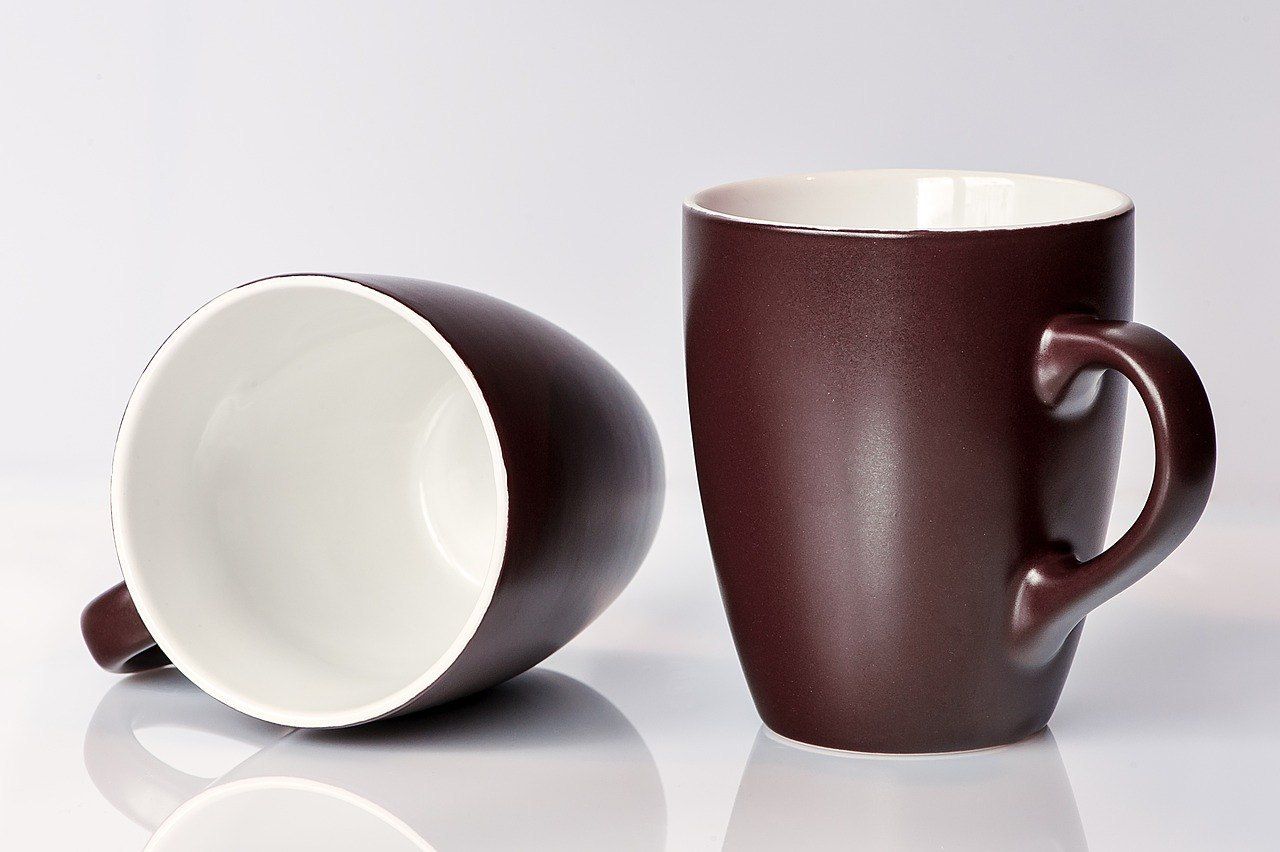
Ceramic mugs are typically made from materials such as:
-
Clay
-
Feldspar
-
Silica
-
Kaolin
These raw materials are blended to create a ceramic body with strength and thermal stability. The manufacturing process includes forming, drying, glazing, and high-temperature firing in industrial kilns.
Below is a simplified overview of the production stages:
| Production Stage | Purpose | Key Equipment Used |
|---|---|---|
| Raw Material Preparation | Blend clay and minerals | Mixers, ball mills |
| Shaping/Forming | Create mug structure | Molds, casting machines |
| Drying | Remove moisture | Drying chambers |
| Glazing | Apply protective coating | Spray booths, dipping tanks |
| Firing | Harden and strengthen ceramic | Tunnel kilns, shuttle kilns |
| Quality Inspection | Ensure durability and food safety | Testing instruments |
The firing stage often reaches temperatures above 1,000°C, enabling the material to vitrify and become strong and non-porous.
Importance: Why Ceramic Mug Manufacturing Matters Today
Ceramic manufacturing plays a role in global consumer goods production and supply chain management. It impacts multiple sectors including hospitality, food service equipment manufacturing, retail distribution, and custom printing industries.
Key reasons this topic remains relevant:
-
Growing demand for reusable and durable drinkware
-
Increased focus on food-safe materials
-
Rising interest in sustainable manufacturing practices
-
Expansion of custom branding and print-on-demand products
Ceramic mugs solve several practical problems:
-
They retain heat effectively.
-
They are microwave and dishwasher compatible.
-
They reduce reliance on disposable cups.
-
They provide stable surfaces for decorative printing and branding.
From an industrial perspective, ceramic mug production supports manufacturing automation systems, industrial equipment investment, and supply chain logistics planning.
Below is a general illustration of the production workflow:
Raw Materials → Forming → Drying → Glazing → Kiln Firing → Inspection → Packaging
Each step requires quality control to prevent defects such as cracking, warping, or glaze inconsistencies.
Recent Updates and Industry Developments
The ceramic manufacturing sector has experienced technological improvements focused on automation, sustainability, and digital printing methods.
Recent developments include:
-
Adoption of energy-efficient kiln technologies to reduce industrial emissions
-
Increased use of electric and hybrid firing systems
-
Expansion of digital ceramic printing for customized designs
-
Greater integration of industrial automation software
Manufacturers are increasingly using computerized kiln temperature monitoring systems to ensure precise thermal cycles. Digital glaze application systems have also improved uniform coating consistency.
Sustainability initiatives have gained attention. Many production facilities are:
-
Reducing water consumption through recycling systems
-
Using renewable energy sources where feasible
-
Implementing waste clay recovery processes
There has also been stronger regulatory oversight on food-contact materials and heavy metal content in ceramic glazes. Laboratories now conduct stricter lead and cadmium migration testing before distribution.
These changes reflect a broader shift toward environmental compliance and industrial efficiency optimization.
Laws and Policies Affecting Ceramic Mug Production
Ceramic mugs fall under food-contact material regulations in many countries. Governments establish standards to protect consumer health.
Key regulatory areas include:
-
Lead and cadmium limits in glazes
-
Occupational safety standards for factory workers
-
Environmental emission controls for kilns
-
Wastewater discharge guidelines
-
Import and export certification requirements
For example, manufacturers exporting to the United States must comply with standards from the Food and Drug Administration regarding food-safe ceramic products. In the European Union, ceramic items must meet migration limits under food contact material regulations.
Environmental regulations often require:
-
Emission control equipment for kilns
-
Dust filtration systems
-
Proper hazardous material handling
Worker safety policies may include:
-
Protective gear usage
-
Ventilation standards
-
Temperature monitoring in high-heat environments
Compliance ensures product safety, environmental responsibility, and smooth international trade operations.
Tools and Resources Used in Ceramic Mug Production
Modern ceramic manufacturing uses a combination of mechanical equipment, laboratory testing tools, and digital production systems.
Common tools and resources include:
Industrial Equipment
-
Ball mills for material grinding
-
Hydraulic presses
-
Slip casting molds
-
Automated glazing lines
-
Tunnel kilns
Testing Instruments
-
Thermal shock resistance testers
-
Lead and cadmium migration testing kits
-
Moisture meters
-
Digital thickness gauges
Software and Digital Tools
-
CAD software for mold design
-
Production planning software
-
Kiln temperature control systems
-
Inventory management platforms
Below is a simplified representation of production control metrics:
| Quality Metric | Why It Matters |
|---|---|
| Water Absorption Rate | Indicates proper vitrification |
| Glaze Thickness | Ensures durability and finish |
| Thermal Shock Resistance | Prevents cracking under heat change |
| Dimensional Accuracy | Maintains product consistency |
Industrial analytics dashboards are increasingly used to monitor defect rates, energy usage, and throughput efficiency.
Frequently Asked Questions
What materials are used in ceramic mug production?
Ceramic mugs are typically made from clay, kaolin, feldspar, and silica. These materials are blended to create a durable ceramic body.
Why are ceramic mugs fired at high temperatures?
High temperatures cause vitrification, which strengthens the material and makes it non-porous. This ensures durability and safe food contact.
How are designs added to ceramic mugs?
Designs can be applied through screen printing, transfer decals, or digital ceramic printing. The decorated mug is usually fired again to fix the design permanently.
Are ceramic mugs environmentally friendly?
They are reusable and long-lasting, which reduces reliance on disposable drinkware. However, production energy consumption is a factor that manufacturers are working to improve.
How is product safety tested?
Laboratories test for lead and cadmium migration, thermal resistance, and structural durability to ensure compliance with food safety standards.
Conclusion
Ceramic mug production is a structured industrial process that combines raw materials, precision engineering, and regulatory compliance to create durable drinkware. From clay preparation to kiln firing, each stage requires quality control and technical expertise.
The industry continues to evolve with advancements in energy-efficient kilns, digital printing technologies, and sustainability practices. Regulatory oversight ensures that finished products remain safe for daily use.
Understanding ceramic mug manufacturing provides insight into broader topics such as industrial automation, environmental compliance, supply chain management, and product safety standards. As consumer demand for durable and reusable products continues, ceramic production remains an important segment within global manufacturing systems.
This guide offers foundational knowledge and industry insights suitable for readers seeking clear, factual information about ceramic manufacturing processes.

