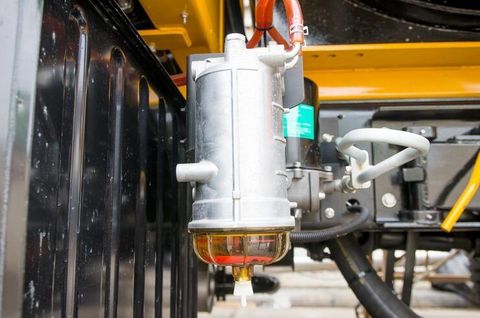
Construction Equipment Guide: Explore Types, Uses, and Key Insights
Construction equipment refers to the machines and tools used to build, repair, and maintain infrastructure such as roads, buildings, bridges, and utilities. A construction equipment guide helps explain the different machines, their functions, and where they are used. These machines range from simple hand-operated tools to large, motorized equipment designed for heavy-duty tasks.
The use of construction equipment has evolved alongside human development. Early construction relied on manual labor and basic tools, while modern projects depend on advanced machinery to improve efficiency and accuracy. Today, construction equipment plays a central role in shaping urban and rural environments.
Understanding the types and uses of construction equipment allows readers to see how large-scale projects are completed. It also helps clarify how different machines contribute to various stages of construction, from site preparation to finishing work.
Importance
Construction equipment is essential for completing projects within practical timeframes. Without machinery, many modern structures would require significantly more labor and time. Equipment helps reduce physical strain on workers and enables complex designs to be executed more precisely.
This topic matters to a wide range of people. Engineers, planners, and contractors rely on construction equipment for daily operations. At the same time, the general public benefits from the roads, housing, and public facilities built using these machines.
Construction equipment also addresses key challenges such as:
- Improving productivity: Machines can perform repetitive or heavy tasks more efficiently than manual labor.
- Enhancing safety: Proper equipment reduces the risk of injuries during lifting, digging, or transporting materials.
- Supporting large-scale projects: Infrastructure projects like highways and airports require machinery capable of handling large volumes of material.
- Reducing project delays: Efficient equipment use helps keep construction timelines on track.
As urbanization continues, the demand for reliable construction processes makes understanding construction equipment increasingly relevant.
Recent Updates
Recent developments in construction equipment between 2024 and 2026 reflect a shift toward efficiency, sustainability, and digital integration. Manufacturers and construction firms are adapting to environmental concerns and technological advancements.
One notable trend is the increasing use of electric and hybrid construction equipment. These machines aim to reduce emissions and noise levels, especially in urban areas where environmental regulations are stricter. While traditional diesel-powered equipment remains common, alternatives are gradually gaining attention.
Automation and smart technology are also becoming more prominent. Equipment now often includes sensors, GPS tracking, and data monitoring systems. These features help operators track performance, manage fuel usage, and improve precision during tasks like excavation and grading.
Another development is the use of telematics systems. These systems collect and transmit data about machine usage, maintenance needs, and operational efficiency. This allows construction teams to make informed decisions and reduce downtime.
In addition, modular construction methods are influencing equipment usage. Prefabricated components require specialized lifting and handling equipment, such as cranes with advanced load control systems.
Overall, the construction equipment industry is moving toward smarter, more sustainable, and more efficient solutions.
Laws or Policies
Construction equipment is subject to various laws and regulations that ensure safety, environmental protection, and proper usage. In countries like India, these rules are governed by multiple authorities, including labor departments and environmental agencies.
Safety regulations are a major focus. Operators are typically required to follow guidelines related to machine handling, protective gear, and site safety. Equipment must be maintained regularly to prevent accidents caused by mechanical failure.
Environmental policies also influence construction equipment usage. Emission standards regulate the amount of pollutants that machinery can release. These standards encourage the adoption of cleaner technologies and better fuel management practices.
In addition, there are rules related to noise levels, especially in residential areas. Construction activities may be restricted during certain hours to minimize disturbance.
Infrastructure projects funded by government programs often include guidelines for equipment usage. These guidelines ensure that construction practices align with national development goals and environmental considerations.
Understanding these laws helps ensure that construction activities are carried out responsibly and safely.
Tools and Resources
A construction equipment guide often includes tools and resources that help individuals understand machine selection, usage, and planning. These resources are useful for both professionals and learners.
Common tools and resources include:
- Equipment selection charts: These charts help match specific machines to tasks such as excavation, lifting, or material transport.
- Load capacity calculators: Used to estimate how much weight a machine like a crane or forklift can handle safely.
- Project planning software: Digital platforms assist in scheduling equipment usage and tracking project progress.
- Maintenance checklists: These documents help ensure machines are inspected regularly to maintain safety and performance.
- Training modules: Online learning platforms provide basic knowledge about operating different types of construction equipment.
Below is a simple table outlining common types of construction equipment and their typical uses:
| Equipment Type | Primary Use | Common Application Areas |
|---|---|---|
| Excavator | Digging and earthmoving | Foundations, trenches |
| Bulldozer | Pushing soil and clearing land | Site preparation |
| Crane | Lifting heavy materials | High-rise construction |
| Loader | Moving materials like sand or gravel | Material handling |
| Backhoe | Digging and loading | Small to medium projects |
| Road Roller | Compacting soil or asphalt | Road construction |
| Concrete Mixer | Mixing concrete | Building and infrastructure |
These tools and resources support better understanding and efficient use of construction equipment across different project types.
FAQs
What is construction equipment and why is it important?
Construction equipment includes machines used for building, excavation, and material handling. It is important because it improves efficiency, supports large projects, and enhances safety on construction sites.
What are the main types of construction equipment?
The main types include excavators, bulldozers, cranes, loaders, backhoes, and road rollers. Each type is designed for specific tasks such as digging, lifting, or transporting materials.
How is construction equipment used in projects?
Construction equipment is used at different stages of a project. For example, excavators prepare the site, cranes lift materials, and rollers compact surfaces. Each machine contributes to completing the project efficiently.
What factors affect the selection of construction equipment?
Factors include the type of project, site conditions, material requirements, and machine capacity. Choosing suitable equipment helps ensure smooth project execution.
Are there modern technologies used in construction equipment?
Yes, modern construction equipment often includes GPS systems, sensors, and telematics. These technologies help improve accuracy, monitor performance, and support better decision-making.
Conclusion
Construction equipment plays a vital role in modern infrastructure development. It enables efficient, safe, and precise execution of a wide range of construction activities. Understanding the types and uses of these machines helps clarify how projects are completed. As technology continues to evolve, construction equipment is becoming more advanced and environmentally conscious. This ongoing development reflects the changing needs of construction practices worldwide.