Construction Machines Explained: A Beginner’s Guide to Types and Uses
Construction machines play a central role in shaping our world. From towering skyscrapers to highways, homes, and bridges, these machines help build the infrastructure we rely on every day. But for many, the world of construction equipment can seem complex and technical. This guide aims to break down the basics exploring what construction machines are, their types, their roles, and how they’re evolving with technology and policy.
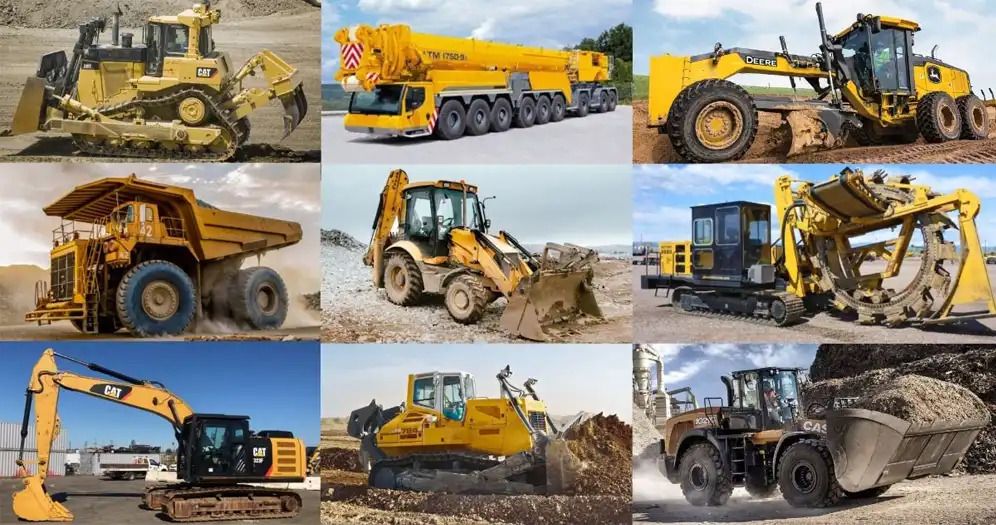
Construction machines are specialized vehicles and equipment designed to perform heavy-duty tasks involved in construction. These tasks include earthmoving, lifting, transporting materials, demolition, and paving. Machines like excavators, bulldozers, cranes, and loaders are essential for building, roadwork, mining, and other infrastructure projects.
The use of construction machinery reduces manual labor, increases efficiency, and ensures precision. These machines are commonly found on construction sites in cities, towns, and rural areas across the globe.
Why Construction Machines Matter
Construction machines impact a wide range of sectors and people from construction companies and civil engineers to local governments and the general public.
Here’s why they are important:
-
Productivity Boost: Machines can complete tasks in hours that would take days manually.
-
Safety: They reduce the physical strain and hazards faced by human workers.
-
Cost Efficiency: Although they are costly to purchase or rent, machines reduce project delays and labor costs.
-
Quality: Machines allow for more accurate and consistent work, particularly in grading, lifting, and measuring.
-
Sustainability: Newer machines produce fewer emissions and use fuel more efficiently.
Trends and Updates in Construction Machinery (2024–2025)
The construction equipment industry has undergone several recent changes. Technological innovation, automation, and environmental policies are driving modern machine design and usage.
Key Trends:
| Trend | Description |
|---|---|
| Electrification | Companies like Volvo and Caterpillar have launched electric excavators and compact loaders. These are quieter, have lower emissions, and are ideal for urban construction. |
| Autonomous Machines | AI and sensor-driven technologies allow for semi-automated or remote-controlled machines, improving productivity and safety. |
| Telematics and IoT | Modern machines are now equipped with GPS and sensors that provide data on location, usage, maintenance needs, and fuel consumption. |
| Compact Equipment Demand | As urban areas become denser, demand is rising for smaller, more maneuverable machines. |
| Recycling Attachments | Attachments for on-site concrete crushing or asphalt milling support sustainable construction and reduce waste. |
Types of Construction Machines and Their Uses
Construction machines can be grouped based on their primary function. Here's a simplified overview:
| Machine Type | Example Equipment | Common Uses |
|---|---|---|
| Earthmoving Equipment | Excavators, Backhoe Loaders, Bulldozers | Digging, grading, moving earth |
| Material Handling Equipment | Cranes, Telehandlers, Forklifts | Lifting and transporting heavy materials |
| Road Construction Equipment | Pavers, Rollers, Milling Machines | Paving roads, compacting soil and asphalt |
| Concrete Equipment | Concrete Mixers, Pumps | Mixing and pouring concrete |
| Compaction Equipment | Rammers, Plate Compactors, Rollers | Compressing soil and asphalt to prevent settling |
| Demolition Equipment | Hydraulic Breakers, Wrecking Balls | Tearing down structures safely and efficiently |
Regulations and Safety Policies in Construction Machinery
Construction equipment use is subject to national and local laws, especially concerning safety, emissions, and noise levels.
In India (2024–2025):
-
Emission Norms: The Bharat Stage IV emission standards for construction equipment vehicles (CEVs) were implemented in 2021, aligning with global environmental norms. Manufacturers must comply with these to sell new machines.
-
Operator Licensing: Operators must be trained and certified by recognized programs under the Central Motor Vehicles Rules.
-
Site Safety Compliance: The Building and Other Construction Workers (Regulation of Employment and Conditions of Service) Act governs machine use and mandates safety equipment and procedures.
-
Import/Export Regulations: Machinery imports must comply with customs standards and often require documentation for fuel efficiency and emission norms.
Governments are also offering subsidies and incentives for using electric or hybrid machinery, particularly in public infrastructure projects.
Tools and Resources for Learning and Managing Construction Equipment
Whether you're a beginner, student, project manager, or enthusiast, several tools and platforms can help you explore, compare, or manage construction machinery.
Helpful Tools and Resources:
-
EquipmentWatch – Provides pricing, specs, and comparison data for thousands of construction machines.
-
ISRO Bhuvan Platform – Useful in India for mapping and terrain understanding when planning construction equipment use.
-
iQuippo – A digital marketplace for renting, buying, or leasing construction equipment in India.
-
RitchieSpecs.com – Offers detailed specs and comparison tools for construction machines globally.
-
AutoDesk Civil 3D – Used for planning and modeling how construction machines interact with terrain and design.
-
Training Apps – Apps like “CAT® App” and “John Deere Operations Center” allow real-time equipment monitoring and digital training.
Frequently Asked Questions (FAQs)
1. What is the most commonly used construction machine?
Excavators are among the most versatile and commonly used machines. They are used for digging, trenching, material handling, and demolition.
2. Can construction machines be rented instead of bought?
Yes. Many companies offer rental services for equipment like loaders, cranes, and bulldozers. Renting reduces upfront costs and is ideal for short-term projects.
3. Are electric construction machines widely available?
Electric machines are still emerging but are gaining popularity. Compact electric excavators and loaders are now available, especially in Europe, North America, and parts of Asia.
4. What kind of license is needed to operate heavy machinery in India?
A Heavy Motor Vehicle (HMV) license is usually required, along with specific training or certification for operating construction machinery as per state guidelines.
5. How can I know which machine is right for a project?
Start by identifying the project size and tasks. Use comparison tools like EquipmentWatch or consult with local equipment providers who often offer site assessments.
Final Thoughts
Understanding construction machines doesn’t require an engineering degree. With growing urbanization, infrastructure development, and the shift toward sustainable construction, these machines are more relevant than ever. From small backhoes to towering cranes, each plays a vital role in turning blueprints into reality.
As the industry evolves, keeping up with new technologies, safety standards, and environmental policies can help individuals and businesses make informed decisions whether you're buying, renting, or simply learning.
By combining the right tools, knowledge, and regulatory awareness, anyone can start navigating the world of construction equipment with confidence.