Convertible Beds Explained: A Beginner’s Guide to Types, Uses, and Benefits
Convertible beds are multifunctional furniture pieces designed to adapt to different needs and living spaces. Unlike traditional beds, these beds can transform into other furniture items such as sofas, desks, or storage units. Their practical design makes them especially useful in small apartments, shared living areas, guest rooms, or mobile homes.
This concept isn’t new furniture that serves more than one purpose has existed for centuries. However, with increasing urbanization and rising real estate costs, the popularity of space-saving furniture has grown significantly.
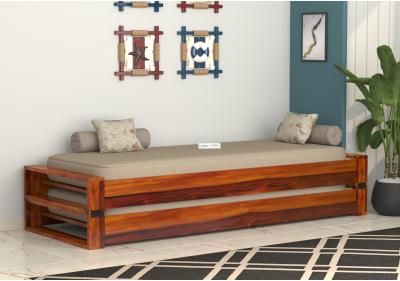
Why Convertible Beds Matter Today
In today's world, space is a luxury. With more people moving into urban centers and housing becoming compact, the need for smart, flexible furniture is more critical than ever.
Who benefits from convertible beds?
-
Urban dwellers living in small apartments or studios
-
Students in dormitories or shared housing
-
Families looking for guest bed options without needing a dedicated room
-
Travelers or van life enthusiasts furnishing mobile homes or RVs
Common problems convertible beds solve:
-
Limited living space
-
High furniture costs for small homes
-
Lack of storage and sleeping arrangements in multifunctional rooms
-
Inflexible home layouts
By addressing these issues, convertible beds offer practical solutions without requiring permanent structural changes.
Recent Developments and Trends (2024–2025)
Convertible beds have evolved in both design and functionality over the past few years. Here are some recent developments that reflect modern preferences:
-
Smart Convertible Beds: Some models now come with automated folding systems, app controls, and memory settings (e.g., adjustable Murphy beds with motorized lifts – popular since mid-2024).
-
Sustainable Materials: Eco-friendly options using bamboo, recycled metals, or sustainably sourced wood have seen increased demand in 2025.
-
Multifunctional Storage: Beds with built-in charging ports, lighting, and hidden storage drawers are becoming standard.
-
Minimalist Aesthetics: Simple, neutral-toned, modular designs are trending, especially in the European and North American markets.
The global market for convertible furniture, including beds, is expected to grow steadily through 2026, reflecting both changing lifestyles and economic pressures to optimize home utility.
Regulations and Safety Standards
While there are no universal laws requiring the use of convertible beds, several regulations ensure safety and usability—especially for families or those in public housing.
United States:
-
ASTM International and Consumer Product Safety Commission (CPSC) provide standards on folding mechanisms and labeling.
-
Fire safety regulations apply to mattress materials used in convertible furniture.
Europe:
-
EN 1725 standard for bed safety and durability often applies to folding or convertible beds.
-
Child safety locks are recommended for beds intended for multi-user or family use.
India:
-
No strict national policy yet, but the Bureau of Indian Standards (BIS) provides furniture safety guidance.
-
Urban housing initiatives often encourage space-saving furniture under Smart Cities projects.
While these beds do not require licensing, manufacturers must adhere to local fire, material, and mechanical safety codes to avoid liability issues.
Helpful Tools and Resources
Whether you're purchasing, designing, or learning about convertible beds, several resources can help:
-
Space Planning Apps:
-
Planner 5D, Roomstyler, and SketchUp for visualizing convertible furniture in your space.
-
-
Ergonomic Guidelines:
-
Resources from The American Chiropractic Association or NHS UK on bed ergonomics.
-
-
Consumer Product Reviews:
-
Websites like Consumer Reports, Wirecutter, or Good Housekeeping test and compare convertible bed models.
-
-
DIY Resources:
-
Instructables, YouTube DIY channels, or Ana White provide plans and video guides for building simple convertible furniture.
-
-
Online Calculators:
-
Mattress firmness and size calculators on furniture retail websites (e.g., IKEA, Wayfair) help ensure fit and comfort.
-
These tools support better decision-making and safer use, especially when space and comfort are equally important.
Common Types of Convertible Beds
| Type | Description | Common Use |
|---|---|---|
| Sofa Bed | A couch that unfolds into a bed, usually with a foldable mattress | Living rooms, guest rooms |
| Murphy Bed (Wall Bed) | A bed that folds up into a wall or cabinet to free up floor space | Studio apartments, offices |
| Futon | A Japanese-inspired foldable mattress that doubles as seating | Dorms, casual rooms |
| Bunk-to-Desk Bed | A bunk bed frame where the lower level can be used as a desk or sofa | Kids’ rooms, study areas |
| Trundle Bed | A low bed stored beneath another, often with wheels | Children’s rooms, guest rooms |
| Daybed | A single bed that acts as a sofa during the day | Lounges, guest rooms |
| Lift-up Storage Bed | A bed with a hydraulic lift to access large storage beneath the mattress | Small bedrooms needing extra storage |
Frequently Asked Questions (FAQs)
What is the main benefit of a convertible bed?
Convertible beds save space by serving dual functions—most often transforming between a bed and another furniture item like a sofa, desk, or storage unit. They're ideal for compact or multifunctional spaces.
Are convertible beds comfortable for everyday use?
Yes, many modern convertible beds are designed with quality mattresses and ergonomic frames. However, comfort depends on the type and brand—Murphy beds and premium sofa beds are usually more comfortable than basic futons.
Can children use convertible beds safely?
Children can use convertible beds if they include safety features like lockable mechanisms, rounded edges, and secure frames. Always check for certifications and manufacturer age guidelines.
Do I need professional installation for a Murphy bed?
Murphy beds, especially those that fold into walls or cabinets, typically require professional installation to ensure safety and structural support. DIY kits are available but should be approached cautiously.
How long do convertible beds last?
With proper care, most convertible beds can last between 7–15 years. Durability depends on materials used, frequency of use, and mechanical design.
Conclusion
Convertible beds offer a smart solution for modern living. Whether you're a student, a city dweller, or someone looking to optimize a guest room, these versatile pieces of furniture offer flexibility, space efficiency, and style. As urban lifestyles evolve and homes become more multifunctional, the demand for such furniture is only expected to rise.
Use available planning tools, stay informed about safety regulations, and explore the variety of types to find a convertible bed that meets your needs. With the right choice, comfort and practicality can go hand-in-hand even in the smallest of spaces.