Copper Cable Granulator Selection Guide: Features, Ideas, and Investment Advice
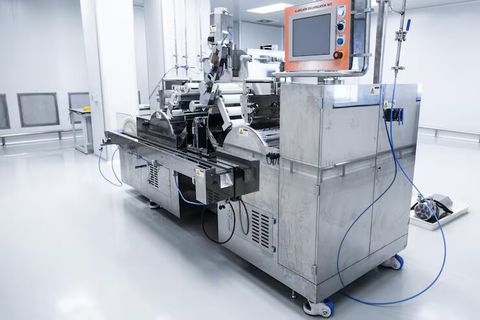
A copper cable granulator is a type of equipment used to separate copper from insulated electrical wires and cables. These machines break down cables into small particles and then separate the metal from plastic insulation using mechanical and air-based processes. The concept emerged as part of broader recycling practices aimed at recovering valuable metals from discarded materials.
Copper is widely used in electrical systems due to its conductivity and durability. Over time, large volumes of used wires accumulate from construction, electronics, and industrial activities. A copper cable granulator selection guide helps individuals and organizations understand how to process these materials efficiently while reducing waste. By converting mixed cables into reusable copper granules and plastic fractions, the process supports material recovery and environmental management.
The growing interest in recycling technologies has made copper cable granulators more visible in both small-scale and industrial setups. Understanding their features and selection criteria is essential for those exploring recycling as a practical activity.
Importance
Copper recycling plays a significant role in conserving natural resources. Extracting copper from ores requires energy-intensive mining processes, whereas recovering it from cables uses comparatively fewer resources. A copper cable granulator helps simplify this process by automating separation and reducing manual effort.
This topic matters today because electronic waste is increasing globally. Old appliances, communication cables, and infrastructure upgrades generate large amounts of scrap wire. Without proper processing, these materials can contribute to environmental pollution.
A copper cable granulator selection guide is useful for:
- Individuals exploring small-scale recycling activities
- Workshops handling electrical scrap
- Industries managing leftover wiring materials
- Communities focusing on waste reduction
The main challenges addressed include separating copper efficiently, minimizing material loss, and handling different types of cables such as single-core wires, multi-core cables, and armored wires. Proper equipment selection can help manage these challenges more effectively.
Recent Updates
Between 2024 and 2026, several developments have influenced the design and use of copper cable granulators. Manufacturers and engineers have focused on improving efficiency, automation, and environmental performance.
One notable trend is the integration of smart monitoring systems. These systems track machine performance, detect blockages, and adjust settings automatically. This reduces downtime and improves consistency in output.
Another development is the use of advanced separation techniques. Air separation systems and electrostatic separators have become more refined, allowing better separation of fine copper particles from insulation materials. This is particularly useful for processing thin wires and mixed cable types.
Energy efficiency has also received attention. Newer machines are designed to consume less power while maintaining stable output levels. Compact designs are becoming more common, making it easier to install equipment in limited spaces.
Noise reduction and dust control have improved as well. Enclosed systems and filtration units help maintain cleaner working environments, which is important in urban or indoor settings.
Overall, the current trend shows a shift toward safer, more efficient, and environmentally conscious equipment.
Laws or Policies
The use of copper cable granulators is influenced by environmental regulations and waste management policies in many countries. These rules aim to ensure that recycling activities do not harm people or the environment.
In India, for example, electronic waste management is guided by the E-Waste Management Rules. These regulations encourage proper handling, recycling, and disposal of electronic materials, including cables. Entities involved in recycling are expected to follow guidelines related to storage, processing, and record-keeping.
Air and water pollution control laws may also apply. Machines that generate dust or emissions must comply with standards set by environmental authorities. This often involves installing dust collection systems or filtration units.
Occupational safety regulations are another important aspect. Operators are expected to follow safety practices when handling machinery, including the use of protective equipment and proper training.
Internationally, similar frameworks exist. Many regions promote recycling through policies that support resource recovery and reduce landfill use. Understanding these regulations helps ensure that the use of a copper cable granulator aligns with legal and environmental expectations.
Tools and Resources
Selecting and operating a copper cable granulator involves understanding technical specifications and comparing different options. Several tools and resources can help with this process.
Common resources include:
- Specification sheets: These documents provide details about machine capacity, power requirements, and supported cable types.
- Throughput calculators: Useful for estimating how much material can be processed within a certain time frame.
- Material classification charts: Help identify different cable types and their processing needs.
- Maintenance checklists: Provide guidance on routine inspection and upkeep.
- Industry forums and technical guides: Offer practical insights and shared experiences from users.
Key Features to Consider
When reviewing a copper cable granulator selection guide, several features are commonly discussed:
- Processing capacity refers to how much cable the machine can handle per hour.
- Separation efficiency indicates how well copper is separated from insulation.
- Input size compatibility defines the range of cable diameters the machine can process.
- Dust control systems help maintain cleaner working conditions.
- Noise levels are important for indoor or residential environments.
- Automation features include sensors and control panels for easier operation.
Example Comparison Table
Below is a simplified comparison of typical copper cable granulator configurations:
| Feature | Small-Scale Unit | Medium Unit | Large Industrial Unit |
|---|---|---|---|
| Processing Capacity | 20–50 kg/hour | 50–150 kg/hour | 150+ kg/hour |
| Cable Types Supported | Thin wires | Mixed cables | Heavy and armored cables |
| Separation Method | Air separation | Air + vibration | Air + electrostatic |
| Space Requirement | Compact | Moderate | Large |
| Automation Level | Basic controls | Semi-automatic | Fully automated |
| Dust Control | Basic filter | Advanced filter system | Integrated filtration unit |
This table provides a general idea of how machines differ based on scale and features.
FAQs
What is a copper cable granulator and how does it work?
A copper cable granulator is a machine that processes electrical cables by shredding them into small pieces and separating copper from plastic insulation. It typically uses mechanical crushing followed by air or electrostatic separation.
How to choose a copper cable granulator for different cable types?
A copper cable granulator selection guide suggests checking input size compatibility and separation systems. Machines designed for mixed or thick cables often include stronger blades and advanced separation methods.
What features are important in a copper cable granulator selection guide?
Important features include processing capacity, separation efficiency, dust control, noise levels, and automation options. These factors influence performance and usability.
Can a copper cable granulator handle thin wires and multi-core cables?
Yes, many machines are designed to process both thin wires and multi-core cables. However, the efficiency may vary depending on the machine’s design and separation technology.
Is a copper cable granulator suitable for small-scale recycling?
Some models are compact and suitable for small-scale use. These units typically handle lower volumes and require less space, making them practical for workshops or individual setups.
Conclusion
A copper cable granulator plays an important role in recycling by separating valuable copper from insulated cables. Understanding its features, operation, and selection criteria helps users make informed decisions based on their needs. Recent developments have improved efficiency, safety, and environmental performance. Regulations and guidelines further shape how these machines are used in different regions. Overall, the topic highlights the connection between technology and responsible material management.