Dairy Product Manufacturing Overview: Learn the Basics, Key Facts, and Helpful Insights
Dairy product manufacturing refers to the process of transforming raw milk into a wide range of dairy products such as cheese, butter, yogurt, milk powder, cream, and fermented drinks. The process includes collection, testing, pasteurization, homogenization, separation, fermentation, packaging, and storage.
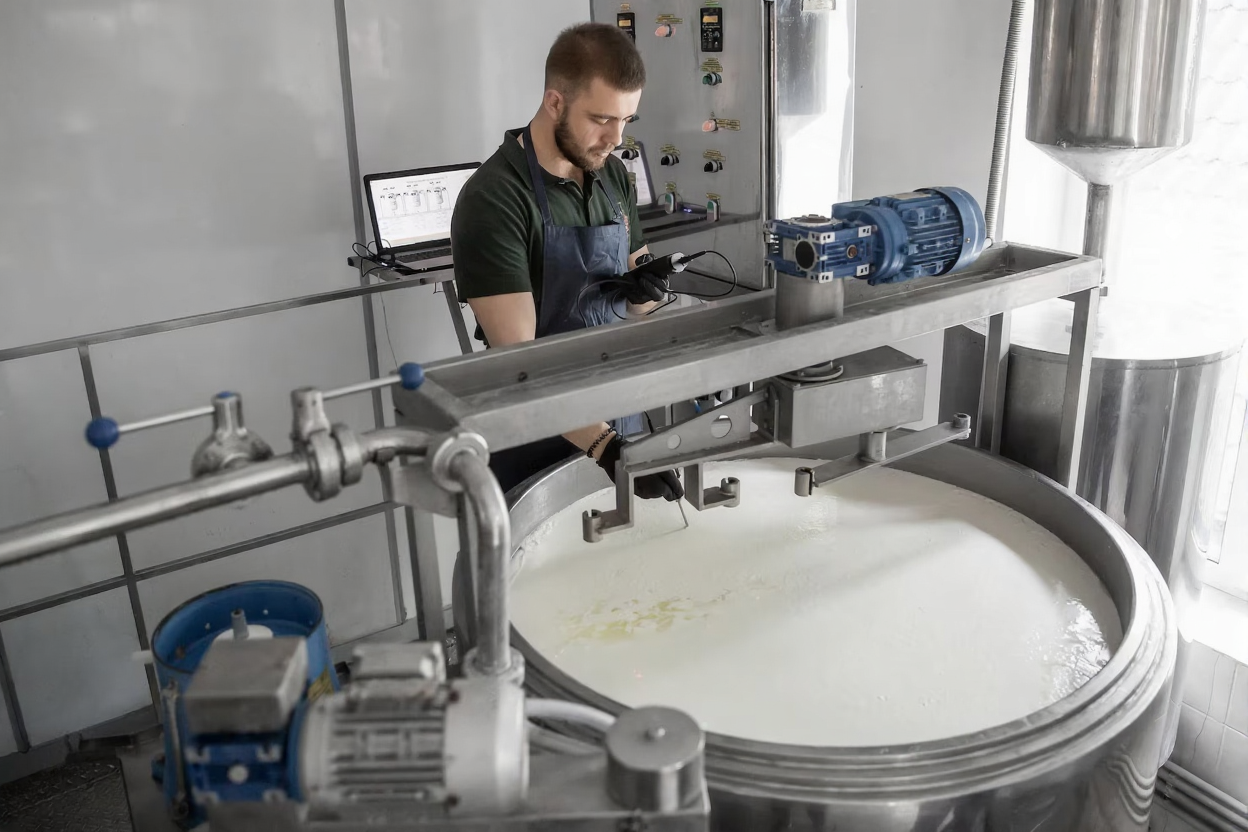
This sector exists to preserve milk’s nutritional value while extending its shelf life and making it available in various convenient forms for consumers worldwide. Dairy manufacturing bridges the gap between raw milk production and consumer demand, helping ensure global food availability and nutritional diversity. It is a key part of the food-processing industry, supplying essential dietary products to billions of people every day.
Importance
The importance of dairy product manufacturing is global, spanning nutrition, economy, and sustainability.
-
Nutrition and Health
Dairy products are rich sources of protein, calcium, vitamin D, and essential amino acids. They contribute to balanced diets, particularly for children, older adults, and populations with limited access to other animal proteins. -
Economic Value
Dairy manufacturing is a vital economic driver in countries like the United States, New Zealand, India, Germany, and Brazil. It creates employment for millions - from dairy farmers and transporters to processing and packaging workers - making it one of the largest agricultural industries worldwide. -
Food Security
Manufacturing processes help stabilize supply by converting perishable milk into long-lasting forms such as powder or cheese. This minimizes waste and ensures dairy availability throughout the year, even in areas far from milk-producing regions. -
Innovation and Sustainability
The industry is increasingly focused on environmentally friendly manufacturing practices, such as energy-efficient plants, waste-water treatment systems, and reusable packaging. These efforts align with the growing global emphasis on reducing the carbon footprint in food production. -
Consumer Demand
Rising urbanization and changing dietary habits have led to greater consumption of value-added dairy products - such as Greek yogurt, lactose-free milk, and plant-enriched dairy alternatives. Manufacturers continue to innovate to meet evolving consumer needs for convenience, health, and variety.
Recent Updates
Global dairy product manufacturing has evolved rapidly over the past year, reflecting technological advancements, consumer trends, and sustainability priorities.
-
Rising Global Production
Global milk production surpassed 940 million tonnes in 2024, led by countries such as India, the United States, and China. Growth has been driven by modernization of farms, automation, and increased global demand for dairy protein. -
Shift Toward Functional Dairy
Health-conscious consumers have accelerated demand for probiotic yogurt, fortified milk, and dairy enriched with vitamins, minerals, and protein. The “functional dairy” segment has become one of the fastest-growing parts of the global market. -
Digital Transformation
Dairy plants are adopting automation, artificial intelligence, and IoT-based monitoring systems to ensure consistent quality, improve energy efficiency, and track milk from farm to shelf. -
Sustainability Goals
Many major dairy producers are pledging net-zero emissions by 2050. Companies are adopting low-emission equipment, using renewable energy in manufacturing, and reducing plastic packaging waste. -
Export and Trade Dynamics
International dairy trade remains robust. New Zealand and the European Union remain leading exporters of cheese, butter, and milk powder, while Asia and Africa are growing import markets due to rising consumption and limited local production capacity.
| Key Indicator (Global, 2024) | Approximate Value | Trend |
|---|---|---|
| Global Milk Production | 940 million tonnes | Increasing steadily |
| Global Dairy Market Value | USD 1.3 trillion | Rising annually |
| Top Exporters | EU, New Zealand, USA | Stable growth |
| Top Consumers | China, India, USA | Expanding urban demand |
Laws or Policies
Regulation in dairy manufacturing is vital to maintain safety, quality, and fair trade practices. While each country has its own rules, certain global standards and policies are common:
-
Food Safety Standards
Most countries follow strict hygiene regulations for milk collection, processing, and packaging. International standards such as the Codex Alimentarius guide product safety, labeling, and microbiological limits. -
Animal Health and Welfare
Government programs often monitor animal feed, antibiotics use, and welfare standards to ensure sustainable milk production and ethical dairy farming. -
Environmental Regulations
Many regions now require dairy manufacturers to manage wastewater, reduce emissions, and adopt eco-friendly packaging solutions. Carbon reporting and energy efficiency audits are increasingly mandatory. -
Trade Policies
International trade in dairy products is governed by World Trade Organization (WTO) agreements and bilateral trade pacts. Tariffs and quotas vary by region, influencing global dairy prices and competitiveness. -
Labeling and Nutritional Disclosure
Manufacturers must provide transparent information about ingredients, allergens, and nutritional values. Regulations in the United States (FDA), European Union (EFSA), and other jurisdictions ensure accurate labeling for consumer protection.
Tools and Resources
Several tools and resources assist in improving dairy product manufacturing and education:
-
Quality Testing Systems – Equipment for analyzing milk composition, detecting adulteration, and ensuring consistent fat and protein levels.
-
Process Automation Software – Digital systems that monitor temperature, pressure, and pasteurization flow for accuracy and safety.
-
Supply Chain Management Tools – Tracking software and cold-chain monitoring solutions that reduce spoilage and maintain product freshness.
-
Sustainability Calculators – Tools that estimate energy use, water consumption, and carbon emissions during manufacturing.
-
Industry Knowledge Platforms – Global organizations like the International Dairy Federation (IDF) and the Food and Agriculture Organization (FAO) provide data, reports, and global benchmarks.
-
Educational Resources – Universities and research institutes publish free materials on dairy processing, microbiology, and packaging technology for students and professionals.
FAQs
Q1: What are the main steps in dairy product manufacturing?
A: The process includes milk collection, standardization of fat and solids, pasteurization, homogenization, fermentation (for products like yogurt), evaporation or drying (for milk powder), packaging, and cold storage. Each step ensures safety and quality.
Q2: What are the biggest challenges for global dairy manufacturing?
A: Key challenges include ensuring sustainable production, reducing greenhouse gas emissions, maintaining animal welfare, managing raw milk logistics, and keeping up with changing consumer preferences.
Q3: Are plant-based dairy alternatives part of dairy manufacturing?
A: Technically no, but many traditional dairy manufacturers now produce plant-based milk alternatives like almond, soy, and oat milk in response to consumer demand for variety and environmental sustainability.
Q4: Which countries lead in dairy production and export?
A: India is the largest milk producer, while the European Union, New Zealand, and the United States lead in global dairy exports, especially in cheese, butter, and milk powder.
Q5: How is technology changing dairy manufacturing?
A: Automation, artificial intelligence, and data analytics are improving production efficiency, ensuring traceability, and reducing waste. Smart sensors and robotics are now common in modern dairy plants.
Conclusion
Dairy product manufacturing is a cornerstone of the global food industry - linking agriculture, technology, and nutrition. It transforms a highly perishable resource into essential, nutritious foods enjoyed around the world.
As the industry modernizes, it faces both opportunities and responsibilities. Sustainability, animal welfare, product innovation, and technology integration are shaping the next generation of dairy manufacturing. By focusing on efficiency, environmental care, and global collaboration, the sector can continue to provide safe, nutritious, and diverse dairy products to a growing world population.

