Dash Camera Overview: Explore Features, Basics, and Helpful Insights
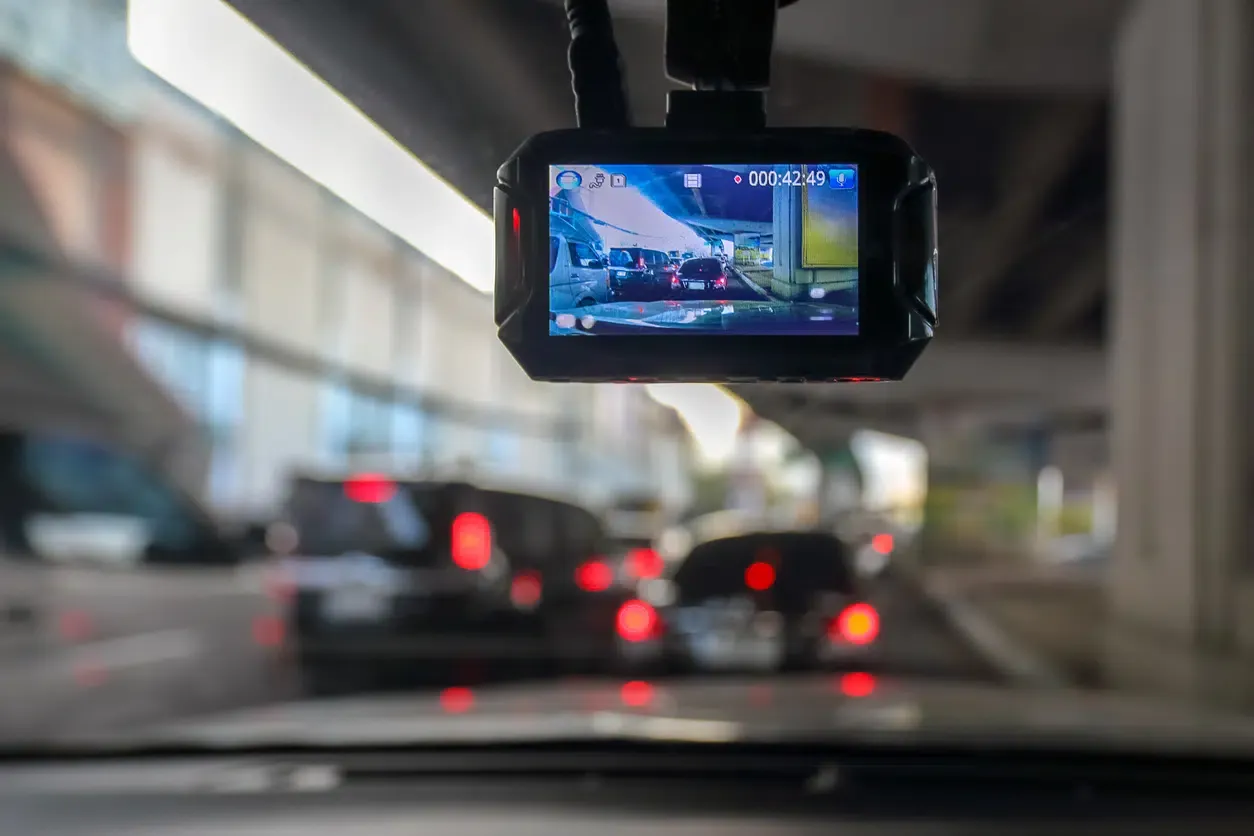
A dash camera, commonly called a dash cam, is a small digital recording device installed inside a vehicle to continuously capture video footage of the road. These devices are typically mounted on the windshield or dashboard and operate automatically while the vehicle is in motion. Over time, dash camera technology has become an important part of modern vehicle monitoring and digital documentation.
Dash cameras exist primarily to record driving activity.
The footage can document traffic conditions, unexpected events, and driving behavior. In many cases, the recorded video acts as an objective record of what happened during a journey.
Most modern dash cameras rely on high-definition video recording technology combined with storage systems such as memory cards. Some devices also incorporate advanced vehicle monitoring features including GPS tracking, motion detection, and collision sensing.
Common components found in dash camera systems include:
- High-definition video recording modules
- Wide-angle camera lenses
- Loop recording systems
- Vehicle power connection adapters
- GPS tracking modules
- Parking surveillance sensors
- Data storage memory cards
Dash cameras are widely used in passenger vehicles, commercial fleets, rideshare transportation, and long-distance travel vehicles. The technology helps create a visual record of road conditions and driver experiences.
Feature overview
| Feature Type | Purpose | Example Capability |
|---|---|---|
| Video Recording | Captures road activity | Full HD or 4K footage |
| Loop Recording | Continuous storage management | Old footage overwritten automatically |
| GPS Tracking | Records location and speed data | Driving route mapping |
| G-Sensor | Detects sudden impact | Automatic event recording |
| Night Vision | Improves low-light visibility | Infrared or enhanced sensor |
The combination of recording hardware and digital storage makes dash cameras a useful documentation tool in everyday driving environments.
Why Dash Cameras Matter in Modern Driving
Road environments have become increasingly complex due to higher traffic density, diverse vehicle types, and evolving road infrastructure. Dash cameras help provide additional visibility into driving situations by documenting events as they occur.
For drivers, recorded footage can help clarify situations that might otherwise rely on memory or interpretation. This documentation becomes particularly useful when reviewing traffic incidents, unexpected hazards, or unusual road conditions.
Several groups benefit from dash camera technology:
- Private vehicle owners seeking driving documentation
- Commercial fleet operators monitoring vehicle activity
- Transportation professionals tracking road events
- Insurance analysts reviewing accident footage
- Traffic researchers studying driving patterns
Another important aspect of dash cameras is driver awareness. Knowing that road activity is being recorded can encourage more cautious and responsible driving behavior.
Key advantages often associated with dash camera usage include:
- Road incident documentation
- Driving pattern observation
- Event timeline verification
- Parking area monitoring
- Road condition recording
Dash cameras also help preserve visual evidence in situations where details might otherwise fade over time. Video footage can display exact road positioning, vehicle movements, and environmental conditions.
Emerging Trends in Vehicle Recording Technology
Dash camera technology continues to evolve as automotive electronics become more advanced. Recent developments have introduced new features that expand the capabilities of traditional vehicle recording systems.
One major trend is the shift toward ultra-high-definition recording systems.
Many devices now support 2K or 4K video resolution, allowing drivers to capture clearer details such as road signs, license plates, and environmental conditions.
Another notable development is the integration of artificial intelligence vehicle monitoring systems. These systems analyze driving footage in real time and can identify patterns such as sudden braking, lane movement, or unusual vehicle behavior.
Recent innovations in dash camera technology include:
- AI-based driver awareness detection
- Cloud video storage integration
- Advanced night vision sensors
- Dual-channel front and rear cameras
- Vehicle telemetry recording
Cloud technology has also influenced vehicle recording systems. Some dash cameras can automatically synchronize footage with cloud storage platforms, helping users preserve important recordings.
Another trend involves smart vehicle connectivity. Dash cameras increasingly integrate with smartphone applications, allowing drivers to review footage, manage recordings, and monitor vehicles remotely.
Below is a simplified representation of how modern dash camera features interact:
| Technology | Function | Driving Insight |
|---|---|---|
| AI Video Analysis | Identifies driving patterns | Behavior awareness |
| Cloud Storage | Secure video backup | Data preservation |
| GPS Mapping | Route tracking | Trip analysis |
| Dual Camera Systems | Front and rear coverage | Expanded visibility |
These developments demonstrate how dash cameras are gradually becoming part of broader vehicle safety technology ecosystems.
Regulations and Recording Guidelines
Dash camera usage can be influenced by national and regional regulations related to privacy, surveillance, and vehicle equipment. Different countries apply different rules to in-vehicle recording devices.
Many governments allow dash cameras as long as they do not interfere with driver visibility or violate privacy laws. Some regulations address where the camera may be mounted within the vehicle to ensure safe driving conditions.
Common regulatory considerations include:
- Windshield placement guidelines
- Driver visibility requirements
- Data protection and privacy policies
- Public recording limitations
Data privacy is often an important factor. Since dash cameras record public roads and sometimes pedestrians or other vehicles, laws may define how footage can be used or shared.
Government agencies sometimes provide guidelines explaining acceptable dash camera placement inside vehicles. These recommendations typically focus on minimizing distractions while maintaining safe driving conditions.
Additional guidance may include:
- Responsible video storage
- Driver attention while operating cameras
- Ethical use of recorded footage
These policies aim to balance technological innovation with safety and privacy protections.
Helpful Tools and Digital Resources
A variety of digital tools and software platforms can assist drivers in managing dash camera footage and understanding recorded data. These tools help organize recordings, review driving events, and analyze vehicle activity.
Video Playback Applications
- Allow drivers to review recorded driving footage
- Display GPS location and speed data
- Organize recordings by time and date
Driving Data Visualization Tools
- Convert recorded data into route maps
- Display driving timelines
- Analyze travel patterns
Memory Storage Management Utilities
- Organize large volumes of video recordings
- Automatically categorize event footage
- Manage loop recording archives
Vehicle Safety Monitoring Software
- Track driving behavior patterns
- Identify sudden braking or rapid acceleration events
- Provide driving insight reports
Below is a simplified representation of a typical dash camera workflow:
Driving Activity
↓
Camera Recording
↓
Data Storage
↓
Playback & Analysis
↓
Driving Insights
These digital tools help transform raw video recordings into useful driving information.
Frequently Asked Questions
What is the main purpose of a dash camera?
A dash camera records video footage of the road while a vehicle is in motion. The footage can document traffic events, road conditions, and driving behavior.
Do dash cameras record continuously?
Most dash cameras use loop recording technology. This means the device continuously records video while automatically replacing older footage when storage space becomes full.
What is a G-sensor in dash cameras?
A G-sensor is a motion detection component that identifies sudden impacts or rapid vehicle movement. When triggered, the system automatically protects the recorded footage from being overwritten.
Can dash cameras record when a vehicle is parked?
Some dash camera systems include parking monitoring features that activate recording if motion or vibration is detected near the vehicle.
What type of video quality do dash cameras typically use?
Modern dash cameras often record in high-definition formats such as 1080p, 2K, or 4K. Higher resolution can capture clearer road details and environmental conditions.
Final Thoughts
Dash cameras represent a growing category of vehicle technology focused on road documentation and driving awareness. By recording visual information during trips, these devices help create a detailed record of driving experiences.
Advancements in digital recording systems, artificial intelligence analysis, and cloud data management continue to expand the capabilities of dash cameras. These improvements allow drivers to better understand road events and maintain accurate travel records.
As vehicle technology evolves, dash cameras are likely to remain an important part of modern driving environments. Their ability to capture real-time footage, store driving data, and support safety awareness contributes to their increasing relevance in everyday transportation.
Understanding how dash cameras function, the features they provide, and the regulations surrounding their use can help drivers better appreciate their role within the broader landscape of automotive technology.