Discover Autonomous Heavy Haulers: Guide to Systems, Functions, and Industry Knowledge
Autonomous heavy haulers are large industrial vehicles designed to transport massive loads using automated navigation systems. These vehicles operate with minimal or no human intervention and rely on advanced technologies such as sensor networks, machine learning algorithms, GPS positioning, and automated fleet management software.
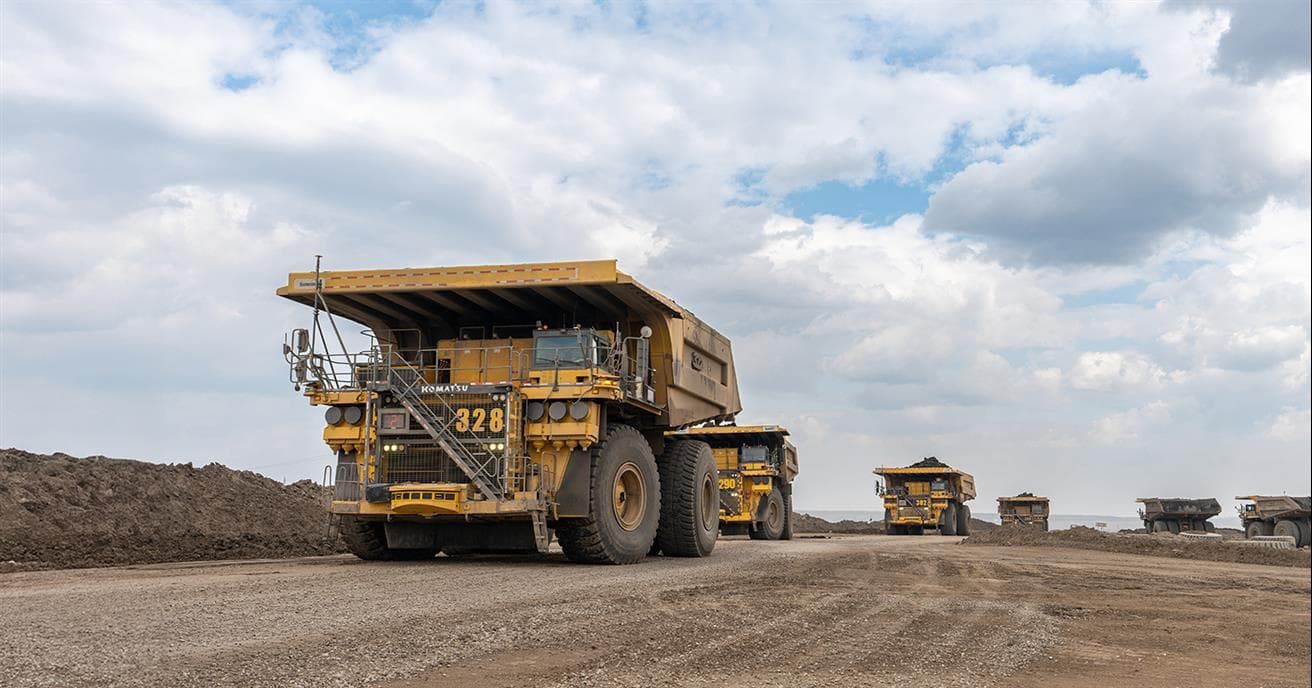
Heavy hauling equipment has traditionally been used in industries where large volumes of materials must be transported efficiently.
Examples include mining operations, large infrastructure development, quarry operations, and industrial logistics environments. Autonomous systems are introduced to improve operational precision and reduce the need for continuous manual control.
Autonomous hauling technology combines several advanced systems that work together:
- Artificial intelligence based vehicle control systems
- Autonomous fleet management platforms
- Advanced sensor fusion systems
- Satellite navigation and positioning technology
- Real-time data analytics platforms
These systems allow autonomous vehicles to analyze terrain conditions, calculate optimal routes, and coordinate movement with other vehicles and equipment within an industrial site.
Below is a simplified overview of the main technological components involved in autonomous hauling systems.
| System Component | Function |
|---|---|
| GPS Navigation Systems | Determines vehicle location and route planning |
| LiDAR & Radar Sensors | Detects obstacles and surrounding terrain |
| Autonomous Control Software | Manages vehicle movement and decision processes |
| Fleet Management Platforms | Coordinates multiple vehicles simultaneously |
| Data Analytics Systems | Optimizes efficiency and predictive maintenance |
Autonomous hauling equipment is particularly valuable in controlled industrial environments where routes are repetitive and predictable.
Importance – Why Autonomous Hauling Technology Matters
Industrial logistics operations often involve transporting large quantities of raw materials across long distances within a work site. Traditional heavy haulers require skilled operators and continuous supervision. Autonomous systems are developed to address several operational challenges.
Some of the most important reasons autonomous heavy haulers are gaining attention include operational safety, efficiency improvements, and data-driven logistics management.
Industries that commonly rely on heavy hauling include:
- Mining and mineral extraction
- Construction and infrastructure projects
- Quarry and aggregate processing
- Industrial manufacturing logistics
- Energy sector material transport
Autonomous systems help organizations manage complex transportation tasks more efficiently by integrating real-time data and automated decision making.
The following table highlights common operational challenges and how automated hauling systems address them.
| Industrial Challenge | Autonomous System Advantage |
|---|---|
| Manual navigation errors | Precision navigation systems |
| Irregular transport cycles | Automated scheduling algorithms |
| Equipment downtime | Predictive maintenance analytics |
| Safety risks in hazardous areas | Remote monitoring technology |
| Traffic coordination issues | Centralized fleet management software |
High-value logistics environments require accurate coordination between trucks, excavators, conveyors, and processing plants. Autonomous hauling systems integrate data from multiple equipment types to maintain stable operational flow.
Another key benefit is improved data visibility. Autonomous systems generate operational data such as route performance, fuel consumption patterns, load capacity metrics, and maintenance indicators. Industrial data platforms can then analyze these metrics to identify optimization opportunities.
For many industrial operations, automated hauling systems are becoming part of a broader shift toward digital industrial infrastructure.
Recent Updates – Developments in Autonomous Industrial Transport
Autonomous hauling technology has continued to evolve as sensor capabilities and computing systems improve. Several developments in recent months have influenced how industries evaluate automated transport systems.
Autonomous hauling technology has continued to evolve as sensor capabilities and computing systems improve. Several developments in recent months have influenced how industries evaluate automated transport systems.
One noticeable trend is the integration of autonomous vehicles with broader digital mining and smart construction platforms. Industrial operators increasingly combine automated hauling fleets with data analytics dashboards and remote monitoring centers.
Recent technology developments include:
- Enhanced LiDAR mapping resolution for terrain detection
- Edge computing systems for faster vehicle decision making
- Integration with industrial Internet of Things networks
- Expanded use of artificial intelligence for predictive maintenance
Another development is the use of digital twin models. A digital twin is a virtual representation of an industrial environment that allows operators to simulate vehicle movement and analyze logistics scenarios before applying them in real-world operations.
The following table illustrates how modern autonomous systems compare with earlier automated hauling technologies.
| Feature | Earlier Systems | Modern Systems |
|---|---|---|
| Navigation | Basic GPS routing | AI-enhanced route optimization |
| Data Processing | Centralized systems | Edge computing architecture |
| Fleet Coordination | Limited vehicle communication | Real-time fleet synchronization |
| Safety Systems | Standard obstacle detection | Multi-sensor hazard prediction |
| Operational Monitoring | Basic tracking | Advanced analytics dashboards |
Another emerging trend is the combination of autonomous hauling with electric heavy equipment platforms. Electrified transport systems may reduce emissions and simplify energy management in industrial sites.
These developments reflect a broader shift toward automated industrial ecosystems where machines, sensors, and data systems work together to improve operational visibility and control.
Laws or Policies – Regulatory Considerations
Autonomous heavy hauling systems operate primarily within controlled industrial environments such as mining zones or construction sites. However, regulations still influence how these systems are deployed and monitored.
Industrial automation is often affected by safety standards, transportation guidelines, and equipment certification requirements. Governments and regulatory organizations focus on ensuring that automated equipment meets safety and operational guidelines.
Common regulatory considerations include:
- Industrial safety compliance standards
- Heavy equipment certification requirements
- Workplace safety regulations
- Environmental monitoring guidelines
- Data management and cybersecurity policies
In many regions, mining regulators and industrial safety authorities provide guidelines for automated equipment operations. These guidelines may include requirements for system monitoring, emergency shutdown procedures, and risk management protocols.
Workplace safety regulations often require that autonomous systems include redundant safety mechanisms such as obstacle detection sensors, remote monitoring systems, and automated braking functions.
The following overview summarizes typical regulatory areas affecting automated hauling systems.
| Regulatory Area | Focus |
|---|---|
| Equipment Safety Standards | Mechanical and software reliability |
| Industrial Automation Guidelines | Safe deployment of automated equipment |
| Worker Protection Rules | Safety measures around autonomous machines |
| Environmental Monitoring Policies | Emissions and environmental impact |
| Data Governance Regulations | Secure handling of operational data |
Regulatory frameworks continue to evolve as automated industrial systems become more common in large-scale operations.
Tools and Resources – Platforms Supporting Autonomous Hauling
Autonomous heavy hauling systems rely on several digital tools and technology platforms that support planning, monitoring, and operational analysis. These tools help engineers and operators understand performance metrics and manage equipment more effectively.
Common categories of tools used in automated hauling environments include:
Fleet Management Software
These platforms coordinate multiple autonomous vehicles within a work site. They monitor route schedules, vehicle locations, and system status.
Industrial Data Analytics Platforms
Data analytics tools process operational data generated by vehicles and equipment. They help identify efficiency patterns and maintenance requirements.
Simulation and Digital Twin Platforms
Simulation systems allow engineers to model transportation routes and evaluate different operational scenarios before implementation.
Autonomous Navigation Software
Navigation platforms integrate GPS systems, sensor inputs, and AI algorithms to guide vehicles safely across industrial terrain.
Maintenance Monitoring Systems
Predictive maintenance software analyzes equipment performance indicators to detect potential mechanical issues.
Below is an example overview of digital tools used in automated hauling operations.
| Tool Category | Purpose |
|---|---|
| Fleet Management Platforms | Vehicle coordination and monitoring |
| Navigation Software | Autonomous route planning |
| Data Analytics Tools | Operational insights and reporting |
| Simulation Platforms | Logistics scenario testing |
| Maintenance Monitoring Systems | Predictive equipment diagnostics |
These digital resources support efficient operation of automated hauling fleets while providing data transparency for industrial planning.
FAQs – Autonomous Heavy Hauling Technology
What is an autonomous heavy hauler?
An autonomous heavy hauler is a large industrial transport vehicle that uses automated navigation systems and sensors to move materials without continuous human control.
Where are autonomous hauling systems commonly used?
They are commonly used in mining operations, quarry sites, infrastructure projects, and large industrial facilities where materials must be transported repeatedly across fixed routes.
How do autonomous vehicles detect obstacles?
Autonomous hauling systems use sensor technologies such as LiDAR, radar, cameras, and ultrasonic sensors to detect obstacles and analyze surrounding terrain.
Can autonomous hauling systems operate with other industrial equipment?
Yes. Modern systems are designed to integrate with excavators, loaders, conveyor systems, and fleet management platforms to coordinate material transport activities.
What data do autonomous hauling systems generate?
They generate operational data including vehicle speed, route performance, fuel consumption patterns, maintenance alerts, and load capacity statistics.
Conclusion
Autonomous heavy haulers represent an important development in industrial transportation systems. By combining advanced navigation technology, machine learning systems, and real-time data analytics, these vehicles help industries manage large-scale material transport more efficiently.
The integration of automated vehicles with digital fleet management platforms allows industrial operations to coordinate equipment movement, monitor performance metrics, and maintain operational stability.
As industrial automation continues to expand, autonomous hauling technology is likely to remain a significant component of modern logistics infrastructure. Through improved data analysis, predictive maintenance systems, and advanced safety features, these systems contribute to more structured and data-driven industrial environments.

