Discover Boom Sprayers: Informative Guide, Key Facts, and Essential Usage Insights
Boom sprayers are agricultural spraying systems designed to distribute liquids such as fertilizers, herbicides, pesticides, and crop protection solutions evenly across farmland. They typically consist of a tank, pump, long horizontal spray arms called booms, and multiple nozzles that release liquid in a controlled pattern.
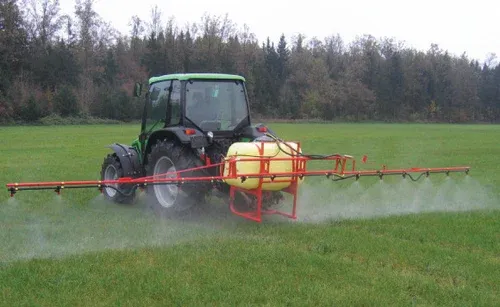
These machines are commonly attached to tractors or self-propelled agricultural equipment. The long boom arms allow farmers to cover wide sections of farmland in a single pass, making field spraying more efficient and consistent.
Boom sprayer technology exists primarily to solve a key agricultural challenge: applying agricultural inputs evenly across large crop fields. Uneven spraying can result in poor crop growth, ineffective pest control, or unnecessary chemical usage.
Several core components define a boom sprayer system:
-
Spray tank that holds the liquid solution
-
Pump system that creates pressure for spraying
-
Boom arms that extend across crop rows
-
Nozzles that distribute the spray evenly
-
Control systems that regulate flow rate and spray pattern
Modern boom sprayers often integrate precision agriculture technology, including GPS guidance, automatic section control, and digital monitoring systems. These features help ensure accurate application and reduce wasted resources.
In large-scale crop farming such as wheat, soybean, corn, and cotton cultivation, boom sprayers play a central role in field management strategies.
Why Boom Sprayer Technology Matters in Agriculture
Agricultural productivity increasingly depends on efficient resource management. Boom sprayers contribute to this goal by enabling farmers to apply crop inputs precisely where they are needed.
The importance of boom sprayers can be understood through several agricultural challenges.
Uniform crop protection
-
Crops are vulnerable to weeds, pests, and diseases.
-
Consistent spray coverage helps maintain plant health and crop yield stability.
Efficient input management
-
Fertilizers and pesticides are valuable agricultural inputs.
-
Accurate spraying reduces excessive application and supports responsible chemical use.
Large-scale farming efficiency
-
Modern farms often span hundreds of hectares.
-
Boom sprayers allow wide coverage, reducing time and labor required for field treatment.
Precision agriculture adoption
-
Digital agriculture tools now guide spraying decisions.
-
Data-based application strategies improve field-level management.
Environmental stewardship
-
Controlled spraying reduces runoff and drift.
-
Proper nozzle calibration minimizes unnecessary chemical exposure.
These benefits affect a wide range of stakeholders in the agricultural ecosystem:
-
Farmers managing field crops
-
Agricultural technicians and agronomists
-
Environmental monitoring agencies
-
Agricultural technology developers
-
Farm equipment operators
The technology also helps address broader agricultural issues such as crop protection efficiency, food production stability, and sustainable farming practices.
Emerging Developments in Agricultural Spray Technology
Agricultural spraying systems continue to evolve with advancements in automation, digital mapping, and machine control systems.
Several technological trends are shaping the development of modern boom sprayers.
Smart nozzle systems
New nozzle technologies are designed to adjust droplet size and spray patterns automatically. This helps reduce spray drift and improves target accuracy.
GPS-based section control
Many sprayers now use GPS guidance to automatically turn spray sections on or off when passing over areas that have already been treated. This prevents overlapping application.
Variable rate application
Precision agriculture platforms allow sprayers to apply different spray volumes depending on field conditions. Soil data, crop health imagery, and yield maps guide these decisions.
Sensor-driven crop detection
Advanced sprayers can use optical sensors or machine vision to detect weeds or plant stress and adjust spraying accordingly.
Autonomous agricultural equipment
Research and field trials continue to explore self-operating spray vehicles that can navigate farmland using satellite navigation and field mapping systems.
Digital farm management integration
Sprayer systems are increasingly connected with farm management software. This allows operators to track:
-
Spray coverage data
-
Chemical application rates
-
Field treatment history
-
Equipment performance metrics
These digital records help farmers maintain better documentation and support long-term farm planning.
Regulations and Agricultural Spray Policies
Agricultural spraying practices are often influenced by government regulations and environmental policies. These rules are designed to ensure safe chemical handling, protect ecosystems, and maintain food safety standards.
Several regulatory areas commonly affect boom sprayer operations.
Pesticide application standards
Many countries require that agricultural chemicals be applied according to labeled instructions. This includes approved dosage levels and recommended spray equipment.
Operator training requirements
In some regions, equipment operators must receive training or certification to handle crop protection chemicals responsibly.
Environmental protection rules
Regulations may address issues such as:
-
Spray drift control
-
Protection of nearby water sources
-
Buffer zones near residential areas
-
Wildlife habitat protection
Equipment calibration guidelines
Agricultural departments often encourage regular calibration of spraying equipment to ensure accurate application rates.
Sustainable agriculture initiatives
Some agricultural policies promote precision farming technologies that reduce environmental impact. Boom sprayers equipped with digital control systems support these sustainability goals.
Farm documentation and reporting
Record-keeping of pesticide application, field treatments, and crop management practices may be required in certain agricultural programs.
These policies aim to balance productive agriculture with environmental protection and public safety.
Helpful Tools and Digital Resources for Sprayer Management
Modern agricultural spraying increasingly relies on digital tools and farm management platforms. These resources help farmers monitor spray efficiency, manage crop inputs, and analyze field data.
Common tools and resources include:
Sprayer calibration calculators
Calibration tools help determine the correct spray rate based on factors such as:
-
Travel speed
-
Nozzle flow rate
-
Spray width
-
Field size
Accurate calibration ensures consistent application across crop fields.
Farm management software platforms
These digital systems allow farmers to record and analyze agricultural activities, including spraying schedules and chemical usage.
Key features often include:
-
Field mapping and crop planning
-
Equipment tracking
-
Application history logs
-
Performance analytics
Precision agriculture dashboards
Advanced platforms integrate satellite imagery, crop health data, and soil analysis. These tools help determine optimal spraying zones.
Weather monitoring applications
Weather conditions influence spraying effectiveness. Tools that track wind speed, temperature, and humidity help farmers plan safe spraying windows.
Nozzle selection charts
Reference charts assist in selecting the correct nozzle type and spray pressure for different crops and application needs.
Agricultural extension resources
Agricultural research institutions and farming organizations often publish technical guides covering sprayer maintenance, calibration procedures, and crop protection strategies.
Equipment Comparison Table
| Feature | Traditional Boom Sprayer | Precision Boom Sprayer |
|---|---|---|
| Spray Control | Manual adjustment | Automated section control |
| Application Rate | Fixed rate | Variable rate technology |
| Navigation | Operator guidance | GPS assisted navigation |
| Data Tracking | Limited records | Digital field data logs |
| Efficiency | Moderate | High precision coverage |
Frequently Asked Questions
What is the main function of a boom sprayer?
A boom sprayer distributes agricultural liquids such as fertilizers, herbicides, and pesticides evenly across crop fields. Its extended boom arms allow wide coverage while maintaining consistent spray patterns.
How do farmers ensure accurate spraying?
Accuracy is maintained through equipment calibration, correct nozzle selection, and monitoring factors such as pressure, speed, and spray width. Precision agriculture systems can further improve accuracy through GPS guidance.
What factors affect spray efficiency?
Several factors influence spraying performance:
-
Weather conditions such as wind and humidity
-
Nozzle type and spray pressure
-
Travel speed of the equipment
-
Proper calibration of the sprayer
Managing these factors helps achieve consistent coverage.
Can boom sprayers support precision agriculture?
Yes. Many modern boom sprayers integrate digital technologies such as GPS navigation, automated section control, and variable rate application. These features allow more precise use of agricultural inputs.
Why is spray drift management important?
Spray drift occurs when small droplets move away from the target area due to wind or environmental conditions. Managing drift helps protect nearby crops, water sources, and surrounding ecosystems.
Conclusion
Boom sprayers remain a fundamental technology in modern agriculture, enabling efficient and consistent application of crop protection products and fertilizers. Their wide spray coverage and adaptable configurations allow farmers to manage large agricultural fields more effectively.
Advancements in precision agriculture have further enhanced boom sprayer capabilities. Features such as GPS navigation, automated spray control, and data integration support more accurate resource use and improved field management.
Regulatory guidelines and environmental policies also play an important role in shaping responsible spraying practices. Proper calibration, operator training, and adherence to agricultural standards help maintain safe and sustainable crop production.
As farming systems continue to evolve, boom sprayers will likely remain an important component of agricultural equipment ecosystems. Their integration with digital tools, environmental monitoring systems, and precision agriculture platforms reflects a broader shift toward smarter and more efficient farming practices.

