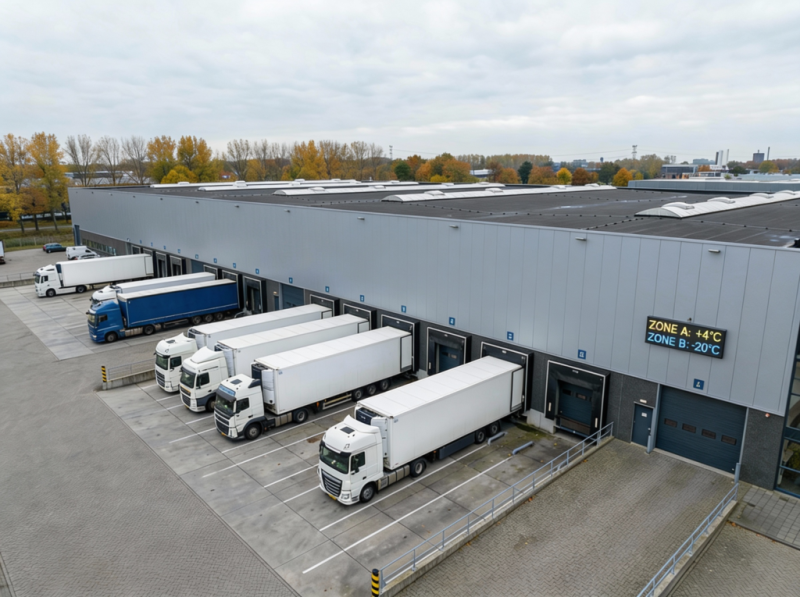
Recent Updates and Emerging Trends
Cold chain transport continues to evolve with advancements in digital technology and sustainability practices.
Recent developments include:
-
Increased use of IoT-based real-time temperature monitoring devices
-
Expansion of blockchain tracking for pharmaceutical cold chain transparency
-
Growth in energy-efficient refrigerated transport systems
-
Adoption of AI-driven predictive analytics in supply chain risk management
-
Rising demand for ultra-low temperature storage for biologics
Many countries have strengthened regulatory inspections for temperature-sensitive pharmaceuticals. Healthcare regulators have emphasized stronger GDP compliance (Good Distribution Practice) standards for transport validation and documentation.
There has also been a growing focus on reducing carbon emissions in refrigerated transport. Companies are exploring electric refrigeration units and low-emission cooling technologies to align with environmental policies.
The demand for cold chain infrastructure has expanded in emerging markets due to increased vaccine distribution and food export requirements.
Laws and Regulatory Framework
Cold chain transport is heavily regulated, particularly in healthcare and food sectors.
In India, cold chain systems are influenced by:
-
Food Safety and Standards Authority of India (FSSAI) regulations
-
Central Drugs Standard Control Organization (CDSCO) guidelines
-
Good Distribution Practices (GDP) for pharmaceuticals
-
National Cold Chain Development initiatives
These regulations require:
-
Documented temperature logs
-
Calibrated monitoring equipment
-
Validated storage and transport systems
-
Proper labeling and traceability
Internationally, regulatory standards often follow:
-
World Health Organization (WHO) vaccine storage guidelines
-
HACCP (Hazard Analysis and Critical Control Points) food safety framework
-
ISO standards for temperature controlled logistics
Failure to comply can result in product rejection, regulatory penalties, or public health risks.
Compliance ensures product quality, patient safety, and food hygiene standards.
Tools and Resources for Cold Chain Management
Modern cold chain management depends on digital tools and monitoring technologies.
Common tools include:
-
Digital temperature data loggers
-
IoT-enabled real-time tracking systems
-
Cold chain validation software
-
Supply chain risk management dashboards
-
Thermal mapping sensors for warehouses
Many companies use cloud-based platforms that generate automated alerts if temperature thresholds are exceeded.
Below is a comparison table of monitoring methods:
| Tool Type | Function | Benefit |
|---|
| Data Logger | Records temperature history | Audit compliance |
| GPS Tracker | Monitors shipment location | Route visibility |
| IoT Sensor | Real-time temperature alerts | Immediate response |
| Cloud Dashboard | Centralized data access | Improved reporting |
Other useful resources include:
-
Government regulatory portals for compliance updates
-
Industry standards documentation
-
Cold chain training modules
-
Warehouse temperature mapping templates
-
Risk assessment checklists
Using digital tracking systems improves accuracy and reduces human error in temperature monitoring.
Frequently Asked Questions
What products require cold chain transport?
Products that are sensitive to temperature changes require cold chain logistics. These include vaccines, insulin, biologics, dairy products, meat, seafood, frozen foods, fresh fruits, and certain chemicals.
What temperature ranges are typically maintained?
Cold chain temperature ranges vary depending on the product:
-
Frozen goods: below 0°C
-
Refrigerated goods: 2°C to 8°C
-
Controlled room temperature: 15°C to 25°C
-
Ultra-low storage: below -70°C for certain biologics
Specific guidelines depend on product labeling and regulatory standards.
What happens if the temperature is breached?
If a shipment experiences a temperature excursion, it must be assessed. In pharmaceuticals, products may require stability testing or quarantine. In food distribution, items may be rejected due to safety concerns.
How is compliance verified?
Compliance is verified through documented temperature logs, calibration certificates, inspection audits, and validated transport systems. Regulators may review records during inspections.
Why is real-time monitoring important?
Real-time monitoring allows immediate corrective action if temperature deviations occur. This reduces spoilage risk, protects product integrity, and supports regulatory documentation.
Conclusion
Cold chain transport is a structured temperature controlled logistics system designed to protect sensitive products throughout the supply chain. It plays a vital role in healthcare, food safety, biotechnology, and global trade.
By combining refrigerated transport systems, digital monitoring tools, regulatory compliance frameworks, and supply chain risk management practices, organizations can ensure product safety and quality.
As technology advances and regulatory oversight increases, cold chain transport continues to evolve toward greater transparency, sustainability, and reliability.
Understanding its processes, regulations, and tools helps stakeholders maintain compliance, reduce losses, and support public health objectives.