Discover Concrete Mixers: Tips, Technical Details, and Efficiency Insights
Concrete mixers are machines designed to combine cement, sand, aggregates, and water into a uniform mixture for construction use. This mixture, known as concrete, is widely used in buildings, bridges, roads, and infrastructure projects.
The concept of the concrete mixer machine developed to ensure consistency and efficiency in mixing building materials. Before mechanized systems, concrete was mixed manually, which often resulted in uneven composition and reduced structural strength. Industrial concrete mixer technology improved accuracy, reduced labor intensity, and increased productivity.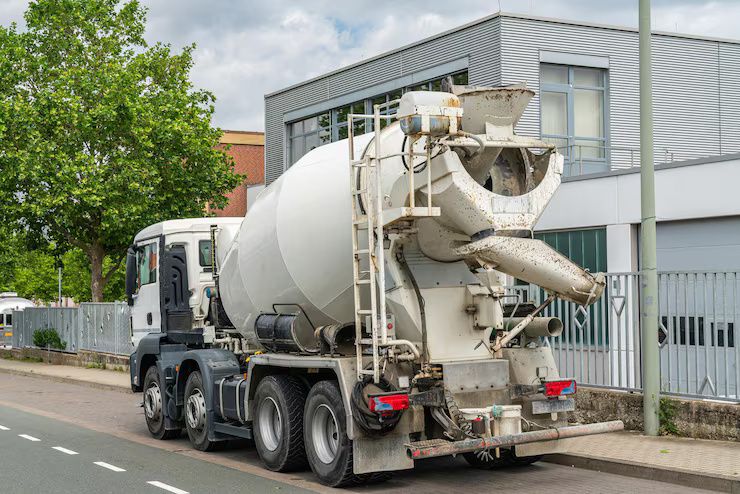
Concrete mixers range from small portable units to large batching plant systems integrated into construction sites. They are essential components of modern construction equipment technology.
How Concrete Mixers Work
A concrete mixer machine operates by rotating a drum or mixing chamber that blends ingredients evenly.
The general process includes:
-
Loading cement, aggregates, and water into the drum
-
Rotating the drum to mix components
-
Maintaining consistent mixing speed
-
Discharging the finished concrete
Common types of concrete mixers include:
-
Drum Mixer: Rotating drum with internal blades
-
Pan Mixer: Stationary pan with rotating mixing arms
-
Twin-Shaft Mixer: Two horizontal shafts for high-intensity mixing
-
Mobile Concrete Mixer Truck: Transport and mixing combined
-
Batching Plant System: Automated large-scale mixing facility
Below is a simplified overview of mixer types and applications:
| Mixer Type | Typical Use | Feature |
|---|---|---|
| Drum Mixer | Small construction sites | Portable and simple |
| Pan Mixer | Precast production | Uniform mixing |
| Twin-Shaft Mixer | Large infrastructure projects | High-speed blending |
| Mixer Truck | Urban construction | On-site delivery |
| Batching Plant | Industrial production | Automated batching |
Industrial concrete mixer systems often include electric motors, hydraulic drives, mixing blades, and discharge chutes.
Technical Details and Design Considerations
Concrete production efficiency depends on mixer design and operational settings.
Important technical aspects include:
-
Drum capacity and volume
-
Mixing speed control
-
Blade configuration
-
Power source (electric or diesel)
-
Structural durability
-
Discharge mechanism
Mixing time is critical. Insufficient mixing may result in inconsistent strength, while excessive mixing can affect workability.
Heavy construction equipment designed for large-scale projects integrates automated control panels to regulate material proportions accurately.
Ready mix concrete equipment often uses computerized batching systems to measure cement, water, and aggregates precisely.
Modern construction equipment technology focuses on durability, energy efficiency, and ease of maintenance.
Why Concrete Mixers Matter Today
Concrete is one of the most widely used construction materials worldwide. Concrete mixers play a central role in infrastructure development.
They matter because they:
-
Ensure uniform concrete composition
-
Improve construction speed
-
Reduce manual labor
-
Enhance structural reliability
-
Support large-scale infrastructure projects
Industries that depend on concrete mixers include:
-
Residential construction
-
Commercial building development
-
Road and bridge construction
-
Industrial facility development
Concrete production efficiency directly impacts project timelines and quality standards.
As urbanization increases globally, reliable cement mixing machine systems remain essential for building materials processing.
Efficiency Insights and Operational Tips
Efficiency in concrete mixing involves both equipment performance and proper usage.
Operational tips include:
-
Maintaining correct water-to-cement ratio
-
Avoiding overloading the drum
-
Cleaning mixer after each batch
-
Monitoring motor performance
-
Inspecting blades for wear
Concrete production efficiency improves when batching plant systems are calibrated regularly.
Mobile concrete mixer truck operations require coordination to ensure timely delivery before concrete begins to set.
Reducing idle time between batches enhances productivity in large construction projects.
Preventive maintenance reduces downtime and extends equipment lifespan.
Recent Updates and Construction Trends in 2025
In 2025, construction equipment technology continues advancing toward automation and sustainability.
In January 2025, industry reports highlighted increased use of electric-powered industrial concrete mixer units in urban construction to reduce emissions.
In March 2025, digital batching plant system upgrades gained attention for integrating IoT-based monitoring tools. These tools track mixing accuracy and equipment performance in real time.
Prefabrication trends in 2025 have also influenced cement mixing machine design. Precast facilities require precise and consistent mixing for structural components.
Sustainable construction initiatives are encouraging the use of recycled aggregates in ready mix concrete equipment systems.
Automation remains a key focus, with smart controls enhancing heavy construction equipment efficiency.
These trends reflect ongoing modernization within building materials processing industries.
Laws and Safety Regulations
Concrete mixers operate under workplace safety and construction equipment regulations.
In the United States, Occupational Safety and Health Administration (OSHA) standards regulate construction site equipment safety.
In the European Union, machinery directives govern the safety and design of industrial concrete mixer equipment.
In India, construction machinery must comply with national safety regulations and labor laws.
Regulatory frameworks typically address:
-
Electrical safety standards
-
Guarding of moving parts
-
Noise level limits
-
Operator training requirements
-
Equipment inspection protocols
Environmental regulations may also apply to ready mix concrete equipment regarding dust control and waste management.
Compliance ensures safe operation and minimizes workplace risks.
Tools and Resources for Concrete Mixing
Professionals use various tools to support efficient concrete production.
Helpful resources include:
-
Concrete mix ratio calculators
-
Batching plant calibration software
-
Equipment maintenance checklists
-
Construction scheduling applications
-
Load capacity reference charts
Technical resources may include:
-
Engineering manuals for cement mixing machine design
-
Material testing guidelines
-
Structural strength calculation tools
-
Digital performance monitoring dashboards
Training programs for heavy construction equipment operation provide guidance on safe and efficient use.
Using structured resources supports consistent output and quality control.
Frequently Asked Questions
What is a concrete mixer machine?
A concrete mixer machine is equipment designed to combine cement, aggregates, and water into uniform concrete.
What is the difference between drum and pan mixers?
Drum mixers use a rotating drum, while pan mixers use rotating arms in a stationary container for more intensive mixing.
How long should concrete be mixed?
Mixing time depends on batch size and equipment type, but it must be sufficient to achieve uniform consistency.
Why is batching accuracy important?
Precise measurement of materials ensures structural strength and durability.
Are concrete mixers regulated?
Yes. Safety and machinery standards govern design, operation, and maintenance.
Conclusion
Concrete mixers are fundamental components of modern construction equipment technology. Through precise blending of building materials, they ensure consistent quality and structural reliability in infrastructure projects.
In 2025, automation, electric-powered systems, and digital monitoring tools continue enhancing concrete production efficiency. Compliance with safety standards ensures responsible use of heavy construction equipment.
Understanding mixer types, operational best practices, regulatory requirements, and technical tools provides valuable insight into cement mixing machine systems. As urban development expands, reliable and efficient building materials processing remains essential for sustainable infrastructure growth.

