Discover Cycling Workouts for Health: In-Depth Explanation, Facts, Advice and Helpful Resources
Cycling workouts are structured physical activities performed on a bicycle, either outdoors or on a stationary bike. They are designed to improve cardiovascular fitness, muscular endurance, metabolic health, and overall well-being.
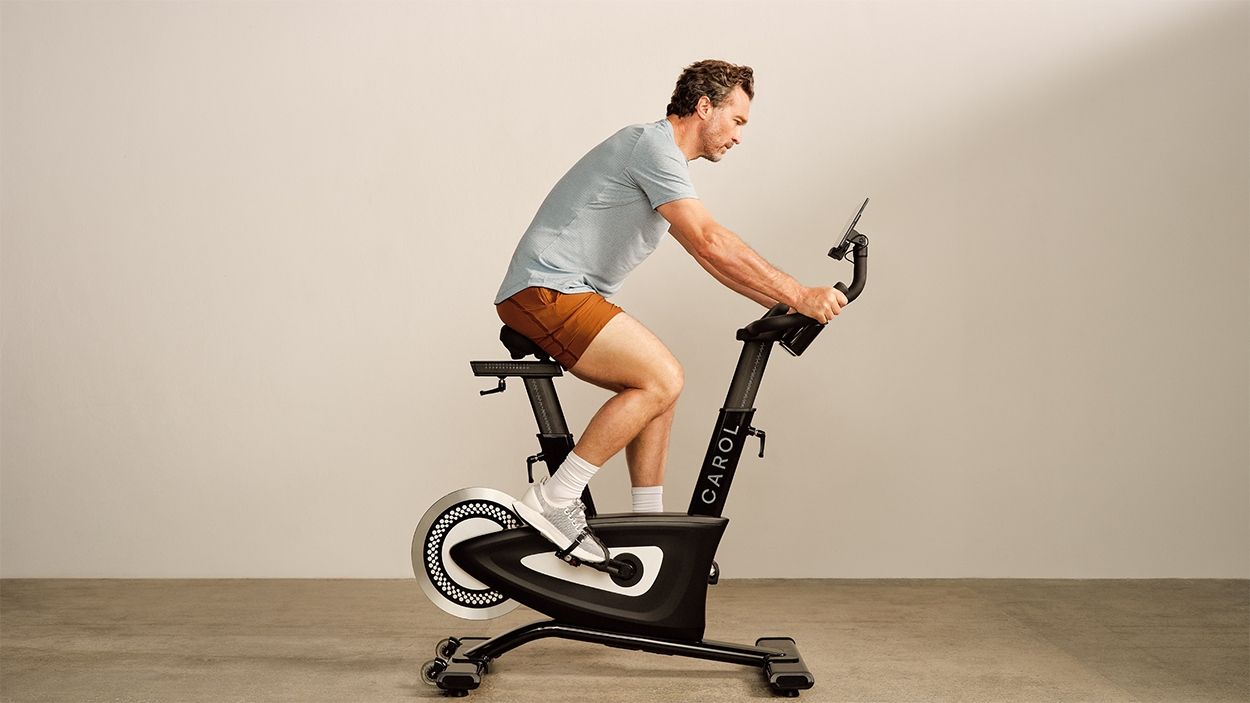
Cycling has been used for transportation and recreation for more than a century. Over time, it evolved into a structured fitness activity supported by sports science and exercise physiology research. Today, cycling workouts range from light recreational rides to high-intensity interval training (HIIT cycling) programs used in professional athletic training and weight management plans.
There are different formats of cycling workouts:
-
Steady-state endurance rides
-
High-intensity interval sessions
-
Hill climb simulations
-
Indoor cycling classes
-
Recovery rides
These workouts exist because they provide a low-impact, joint-friendly alternative to high-impact exercises like running. Cycling reduces strain on knees and hips while still delivering measurable improvements in heart health and calorie expenditure.
Estimated Calorie Burn Comparison (Average 70 kg Adult)
| Activity Type | Duration | Estimated Calories Burned |
|---|---|---|
| Light Cycling | 30 min | 150–200 kcal |
| Moderate Cycling | 30 min | 250–350 kcal |
| HIIT Cycling | 30 min | 400–600 kcal |
Actual calorie burn varies based on intensity, body weight, and fitness level.
Importance: Why Cycling Workouts Matter Today
Cycling workouts are increasingly relevant due to rising concerns about sedentary lifestyles, obesity, cardiovascular disease, and metabolic disorders. Public health data consistently shows that physical inactivity contributes to heart disease, type 2 diabetes, and hypertension.
Cycling addresses several modern health challenges:
-
Improves cardiovascular fitness and lung capacity
-
Supports weight loss programs and fat metabolism
-
Enhances insulin sensitivity and metabolic health
-
Reduces stress and improves mental clarity
-
Strengthens lower body muscles and core stability
For individuals managing high blood pressure or cholesterol levels, moderate cycling can be part of a medically approved exercise program. It is frequently recommended in cardiac rehabilitation settings because it allows controlled intensity adjustments.
Cycling is also adaptable across age groups.
-
Young adults use it for athletic performance training
-
Middle-aged adults incorporate it into weight management strategies
-
Older adults benefit from low-impact mobility and endurance improvement
Another major advantage is accessibility. Indoor cycling workouts can be done at home, which supports consistency. Outdoor cycling promotes exposure to fresh air and can enhance mental well-being.
Sample Weekly Cycling Workout Structure
| Day | Workout Type | Duration |
|---|---|---|
| Monday | Moderate steady ride | 30–45 min |
| Wednesday | HIIT cycling intervals | 20–30 min |
| Friday | Endurance ride | 45–60 min |
| Sunday | Recovery ride | 20–30 min |
This balanced approach helps improve endurance, strength, and recovery capacity.
Recent Updates: Trends and Developments
Recent developments in fitness technology and public health awareness have influenced cycling workouts in meaningful ways.
One major trend has been the integration of wearable fitness trackers and AI-driven training analytics. These tools monitor heart rate variability, power output, cadence, and oxygen efficiency. Real-time data allows individuals to personalize endurance training programs based on measurable metrics.
Indoor smart bikes with resistance automation have gained popularity. These systems adjust resistance automatically during virtual rides, simulating hills and terrain changes.
Another trend is the growing emphasis on metabolic health improvement. Health professionals increasingly focus on zone-based heart rate training. Instead of exercising at maximum intensity, structured zone training optimizes fat oxidation and cardiovascular efficiency.
There has also been expansion in corporate wellness programs encouraging cycling as a sustainable commute option. Governments in multiple regions have strengthened policies supporting bike lanes and urban cycling infrastructure to promote physical activity and reduce carbon emissions.
Graph Illustration: Training Intensity Zones
Low Intensity → Fat Burning Focus
Moderate Intensity → Cardiovascular Conditioning
High Intensity → VO₂ Max and Performance Enhancement
Structured cycling programs now commonly use heart rate zones to guide intensity rather than relying only on perceived effort.
Laws or Policies Affecting Cycling Workouts
Cycling as a fitness and transportation activity is influenced by several regulatory and public policy frameworks.
Urban planning policies often include:
-
Dedicated bike lanes
-
Helmet regulations
-
Road safety standards
-
Public cycling infrastructure investment
In many regions, public health departments promote active commuting initiatives. Tax incentives or reimbursement programs may exist for cycling-to-work schemes. These programs aim to reduce traffic congestion and improve population health metrics.
Safety regulations also play a role. Local traffic laws require cyclists to follow road rules, use lights during low visibility, and wear helmets where mandated. These measures help reduce accident risk and encourage safer participation in outdoor cycling workouts.
Workplace wellness programs sometimes include cycling challenges aligned with occupational health policies. These programs support preventive healthcare strategies by encouraging regular physical activity.
In addition, environmental sustainability policies indirectly promote cycling by investing in low-emission transportation systems. This encourages more individuals to adopt cycling as part of their daily routine.
Tools and Resources for Cycling Workouts
A variety of tools support effective cycling training and performance tracking.
Fitness Tracking Apps
These apps measure distance, cadence, heart rate, and estimated calorie burn. Many include advanced analytics for endurance training and weight loss program monitoring.
Smart Indoor Bikes
Modern indoor bikes integrate digital resistance systems and virtual ride simulations.
Heart Rate Monitors
Chest straps or wrist-based monitors track cardiovascular intensity in real time.
Calorie Burn Calculators
Online calculators estimate energy expenditure based on body weight, duration, and intensity.
Training Templates
Structured weekly cycling workout templates help maintain consistency and progressive overload.
Recovery Monitoring Tools
Some wearables track sleep quality and heart rate variability to guide recovery days.
Example of Basic Cycling Intensity Calculation
Target Heart Rate Formula (General Estimate)
Maximum Heart Rate ≈ 220 – Age
Moderate Intensity Zone ≈ 50–70% of Maximum
High Intensity Zone ≈ 70–85% of Maximum
Individuals with medical conditions should consult healthcare professionals before starting high-intensity cycling programs.
FAQs
What is the best cycling workout for weight loss?
Moderate to high-intensity cycling combined with interval training can increase calorie burn and improve metabolic health. Consistency and balanced nutrition are also important factors.
How often should beginners cycle each week?
Beginners can start with 2–3 sessions per week at moderate intensity. Gradually increasing duration helps build endurance safely.
Is indoor cycling as effective as outdoor cycling?
Both formats provide cardiovascular benefits. Indoor cycling allows controlled resistance and weather-independent training, while outdoor cycling adds terrain variability and environmental engagement.
Can cycling improve heart health?
Yes. Regular cycling improves circulation, lowers resting heart rate, and enhances overall cardiovascular fitness when performed consistently at appropriate intensity levels.
Does cycling strengthen muscles?
Cycling primarily strengthens the quadriceps, hamstrings, calves, and gluteal muscles. Core stability also improves during longer rides.
Conclusion
Cycling workouts offer a practical and adaptable method to improve cardiovascular fitness, support weight loss programs, and enhance metabolic health. As sedentary lifestyles become more common, structured endurance training through cycling provides measurable benefits without excessive joint strain.
Advancements in wearable technology and heart rate zone training have made cycling more data-driven and personalized. Public health policies and urban infrastructure developments continue to support cycling participation for both fitness and environmental sustainability.
Whether performed indoors using smart equipment or outdoors on dedicated bike lanes, cycling workouts remain one of the most accessible forms of exercise. With appropriate intensity planning, consistent scheduling, and attention to safety guidelines, individuals can incorporate cycling into long-term health improvement strategies.
By understanding training structure, policy context, and available tools, readers can approach cycling workouts with clarity and evidence-based confidence.