Discover Eco-Friendly Packaging Tips: Advice, Insights, and Smart Alternatives
Eco-friendly packaging refers to materials and practices used to package products in a way that minimizes environmental impact. This includes using recycled, biodegradable, or reusable materials, reducing packaging size, and designing products for easy recycling or composting.
Packaging waste has become a significant contributor to global pollution, especially plastic waste. Traditional packaging materials such as polystyrene and single-use plastics are non-biodegradable, often ending up in oceans and landfills. To counter this, businesses and individuals are shifting toward greener packaging alternatives that align with sustainability goals.
The growing demand for responsible consumption and environmental stewardship is pushing industries to rethink packaging strategies. Whether you're a small business owner, consumer, or supply chain manager, understanding eco-friendly packaging is essential for contributing to a more sustainable future.
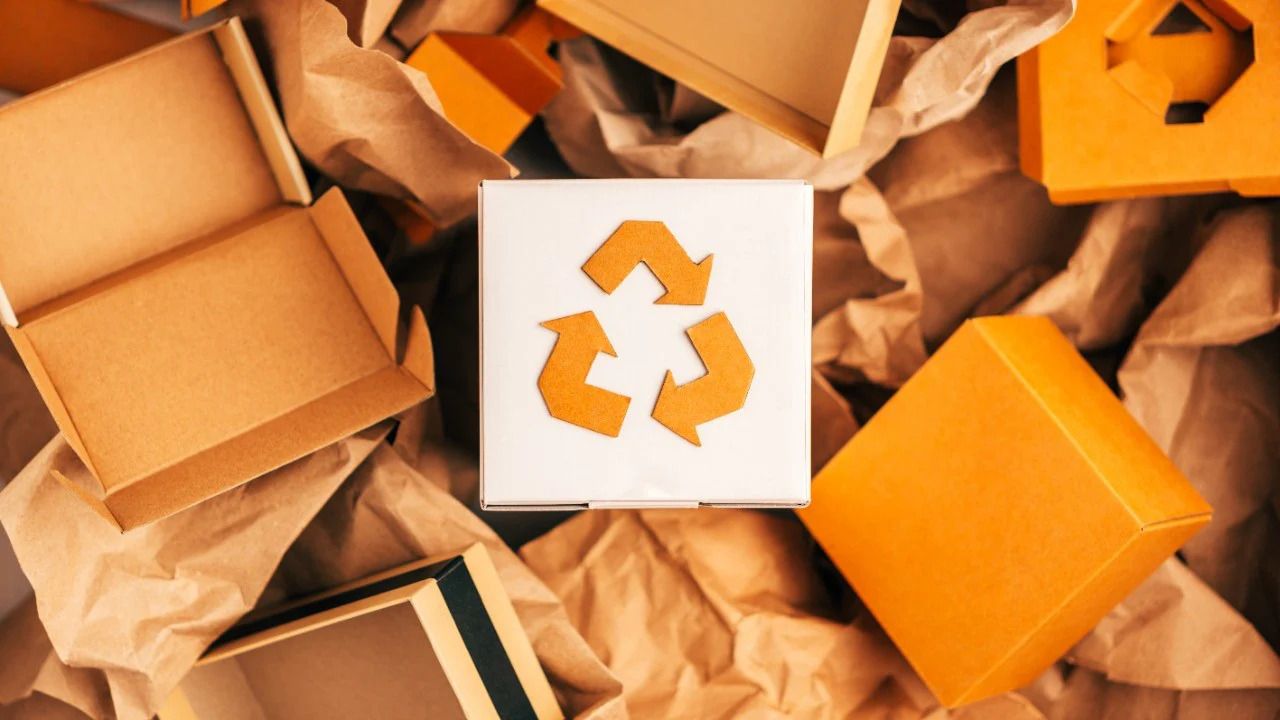
Why Eco-Friendly Packaging Is Important Today
Eco-friendly packaging addresses key environmental and economic issues:
-
Reduces Pollution: It helps reduce landfill overflow and ocean contamination.
-
Lowers Carbon Footprint: Sustainable materials usually require less energy to produce.
-
Supports Regulatory Compliance: Many regions now require certain sustainability standards.
-
Improves Brand Image: Consumers are more likely to support brands that show environmental responsibility.
-
Encourages Circular Economy: Promotes reuse, recycling, and reduced waste.
This topic affects everyone from manufacturers to end-users. Retailers, e-commerce businesses, and even local markets are adopting greener packaging options to meet both consumer expectations and legal requirements.
Recent Updates and Trends (2024–2025)
Eco-packaging trends are rapidly evolving. Over the past year, several developments have shaped the landscape:
| Trend/Update | Description |
|---|---|
| Compostable Packaging Innovation | New materials like mushroom-based and seaweed packaging became more mainstream in 2024. |
| Plastic Bans Expansion | Countries like Canada and India expanded bans on single-use plastics by mid-2024. |
| Retail Shifts | Brands like Amazon and Unilever pledged to reduce packaging waste by 2030. |
| Reusable Packaging Growth | Startups offering reusable container services for food and retail saw growth in 2025. |
Laws and Policies Influencing Eco-Friendly Packaging
Government regulations are a major driver for the shift toward sustainable packaging. Depending on your country, policies vary, but they generally focus on waste reduction, producer responsibility, and recycling targets.
Examples of Relevant Laws
-
European Union: The Packaging and Packaging Waste Directive was updated in 2024 to require all packaging to be recyclable or reusable by 2030.
-
India: As of July 2024, India has banned certain single-use plastics and introduced Extended Producer Responsibility (EPR) requirements.
-
United States: Several states (e.g., California, New York) require businesses to report packaging materials and meet recyclability standards.
-
Canada: Federal bans on six single-use plastic items took full effect in late 2023, and the Zero Plastic Waste initiative continues.
These laws affect importers, exporters, retailers, and manufacturers, pushing for innovation and better compliance tools.
Helpful Tools and Resources
To support businesses and individuals looking to switch to eco-friendly packaging, several tools and resources are available:
Online Tools and Calculators
-
Sustainable Packaging Coalition (SPC) Tools
Offers packaging assessment tools to measure sustainability performance.
https://sustainablepackaging.org -
WRAP UK’s Recyclability Tool
Helps assess how easily a product can be recycled in the UK and Europe.
https://wrap.org.uk -
Green Business Bureau Certification
Provides third-party eco-certification including packaging review.
https://greenbusinessbureau.com
Useful Resources
-
How2Recycle Label: A standardized labeling system in North America for consumer recycling.
-
Plastic IQ: A free digital tool to help businesses design plastic packaging strategies.
-
EcoEnclose: An online store offering sustainable packaging products for e-commerce brands.
Templates and Checklists
-
Sustainable packaging audit checklist (for internal reviews)
-
Vendor comparison matrix (to evaluate suppliers' eco credentials)
-
Packaging lifecycle assessment forms
Frequently Asked Questions (FAQs)
1. What are the most common eco-friendly packaging materials?
Materials include recycled paper, cardboard, corrugated bubble wrap, biodegradable plastics, mushroom packaging, and compostable film made from corn or potato starch.
2. Is eco-friendly packaging more expensive?
In some cases, yes especially for newer materials. However, long-term savings can be realized through reduced material use, lighter shipping costs, and better brand loyalty.
3. How can I tell if packaging is really sustainable?
Look for certifications like FSC (Forest Stewardship Council), BPI compostability label, or the How2Recycle label. Also check for materials that are recycled, recyclable, or biodegradable.
4. Can small businesses switch to eco-packaging easily?
Yes. Many suppliers now offer low minimum order quantities for sustainable packaging. Starting with one product line or packaging component is a practical first step.
5. What’s the difference between biodegradable and compostable packaging?
Biodegradable means the material will eventually break down, but the time and byproducts vary. Compostable materials break down under specific conditions into non-toxic, soil-enriching matter — usually faster and cleaner.
Smart Packaging Alternatives to Consider
Here’s a comparison of popular eco-friendly options:
| Packaging Type | Description | Ideal For |
|---|---|---|
| Recycled Cardboard | Post-consumer waste reused in new form | Boxes, mailers |
| Cornstarch Packaging | Made from corn-based polymers | Loose-fill, bags, trays |
| Mushroom Packaging | Grown around molds, compostable | Electronics, fragile items |
| Kraft Paper | Durable and recyclable paper | Wrapping, void fill |
| PLA Bioplastics | Compostable plastic alternative from plants | Food containers, cutlery |
Final Thoughts
Eco-friendly packaging is no longer a trend it's a responsibility. Consumers, governments, and industries are working together to reduce the environmental burden of traditional packaging. By understanding the types of sustainable materials available, staying updated on global regulations, and using helpful tools, anyone can begin the transition toward a more sustainable packaging strategy.
Whether you're running a business or making personal choices, adopting smart alternatives helps reduce waste and contribute to a cleaner planet.