Discover Essential Oil Refinery Equipment: A Guide to Key Systems, Core Functions, and Process Insights
Essential oil refinery equipment refers to the technological systems used to extract, refine, purify, and stabilize natural oils from various plant materials. These systems support every stage of processing—from distillation and separation to filtration and quality monitoring. Their purpose is to convert raw botanical inputs into consistent, high-quality essential oils suitable for applications in pharmaceuticals, aromatics, wellness products, food processing, and chemical manufacturing.
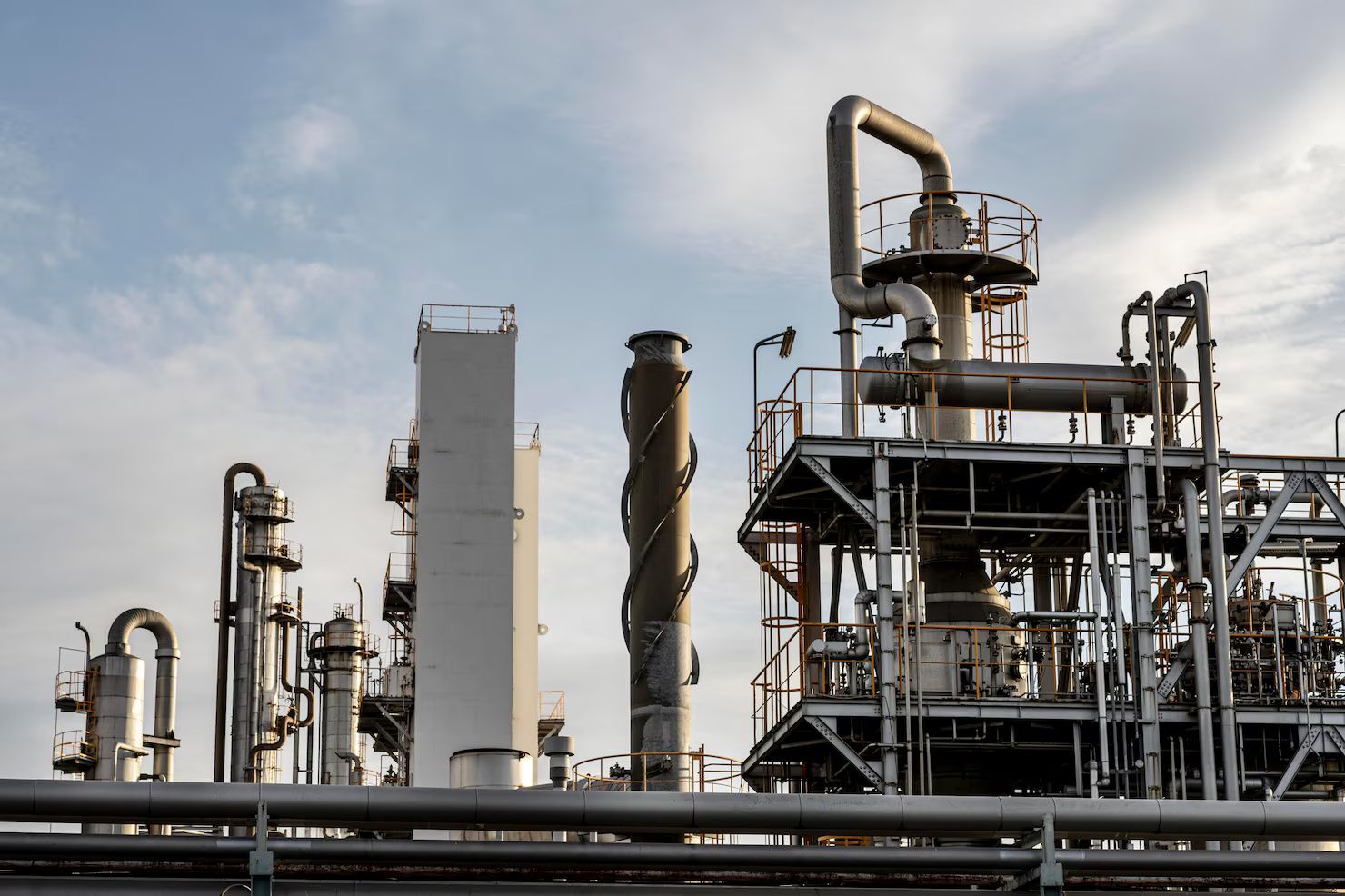
Historically, essential oils were produced through traditional, small-scale methods. However, modern industries require precise control, reliable batch purity, and standardized composition. Refinery equipment such as steam distillation units, molecular distillation systems, vacuum separators, and advanced refining reactors help achieve these requirements. This shift to engineered systems has emerged to support purity standards, safety expectations, and the growing demand for natural ingredients worldwide.
Importance – Why Essential Oil Refinery Equipment Matters Today
Refinery equipment has become essential due to increasing expectations for quality consistency, sustainability, and safety across industries.
Ensures product purity and chemical accuracy
• Supports removal of impurities and unwanted compounds
• Maintains stable concentration levels and chemical profiles
• Helps achieve pharmaceutical-grade and cosmetic-grade purity
Improves environmental efficiency
• Encourages low-energy refining methods such as vacuum systems
• Reduces material waste through closed-loop solvent recovery
• Supports environmentally conscious production practices
Enhances workplace and process safety
• Minimizes manual exposure to high temperatures and volatile compounds
• Automates risk-prone stages of extraction
• Provides stable, controlled conditions for processing delicate oils
Serves multiple industrial sectors
• Pharmaceutical and therapeutic industries rely on precision formulation
• Food and beverage industries use standardized aromatic compounds
• Chemical and manufacturing sectors depend on refined botanical derivatives
Addresses common quality and processing challenges
• Reduces inconsistencies found in traditional extraction
• Supports scalability with predictable production output
• Enhances shelf stability through systematic purification
Modern essential oil refining relies on accurate, efficient systems that help meet both industrial needs and consumer expectations.
Recent Updates – Trends and Developments in Essential Oil Refining
The essential oil refining field continues to evolve as technology advances and sustainability expectations increase.
Increasing adoption of automated control systems
Automation is becoming more common for temperature regulation, pressure adjustments, and precision monitoring. This improves consistency and reduces manual intervention.
Higher demand for eco-friendly refining technologies
Solvent-free methods such as steam distillation, supercritical CO₂ extraction, and vacuum molecular distillation are gaining wider use due to environmental considerations and purity goals.
Growing use of digital monitoring tools
Real-time sensors for purity, density, composition, and contaminant detection have become standard in many facilities. These tools reduce the need for manual sampling and improve process accuracy.
Focus on energy-efficient equipment
Systems incorporating heat recovery, insulated distillation columns, and low-energy pumps are increasingly preferred to support environmentally responsible operations.
Stronger emphasis on standardized quality practices
Updates in quality expectations and testing methods have encouraged producers to enhance laboratory capabilities and adopt more precise refining tools.
These trends reflect a continued shift toward cleaner, safer, and more technologically advanced processing.
Laws or Policies – Regulations Shaping Essential Oil Refining
Essential oil refining is influenced by regulations related to environmental impact, worker safety, product quality, and global trade. Though specific rules vary by country, several regulatory themes are widely applied.
Environmental compliance guidelines
Facilities must follow rules related to:
• Air emissions and volatile organic compounds (VOCs)
• Solvent recovery and disposal
• Wastewater treatment after botanical processing
These regulations promote responsible environmental practices.
Occupational health and safety requirements
Common safety guidelines include:
• Protective equipment for workers
• Ventilation and vapor-control systems
• Inspection and certification of pressure vessels
Such policies help reduce risks associated with high-temperature refining processes.
Quality and purity standards
Many producers follow:
• ISO standards for essential oil purity and composition
• Testing protocols for adulteration detection
• Requirements for analytical documentation and traceability
These standards promote accuracy and consistency.
International trade and certification requirements
Exporting essential oils often requires:
• Documentation of botanical origin
• Certificates of analysis
• Confirmation of purity and contaminant limits
This ensures safe and regulated movement of oils across global markets.
Sustainability and resource-efficiency programs
Certification programs encourage resource-efficient production, reduced emissions, and transparency across the refining process.
Tools and Resources – Helpful Platforms for Refining, Monitoring, and Learning
A variety of tools support essential oil refining, from technical calculators to quality-testing resources.
Analytical and testing tools
• GC-MS reference databases for composition analysis
• ISO documentation for essential oil standards
• Online chemical safety platforms for SDS information
Process and calculation resources
• Distillation and separation calculators
• Vacuum pressure estimation tools
• Heat-transfer calculators for refining equipment
• Yield estimation and batch-planning spreadsheets
Environmental and compliance resources
• Waste-management and emission-monitoring guidelines
• Regulatory documentation from national environmental authorities
• Sustainability reporting frameworks
Educational and research platforms
• Scientific literature databases on extraction and refining
• Process engineering handbooks
• Botanical chemistry resources
Technical reference tools for equipment
• Databases containing specifications for distillation systems, filtration units, and separation technologies
• Maintenance and safety documentation for high-temperature equipment
These tools help ensure precise operations, improved safety, and informed decision-making.
FAQs
What is essential oil refinery equipment used for?
It is used to refine, purify, and stabilize essential oils by removing impurities and controlling chemical composition, ensuring a consistent and high-quality final product.
Which equipment types are most common in essential oil refining?
Steam distillation units, molecular distillation systems, filtration systems, solvent extraction setups, and vacuum separation technologies are widely used.
Why is precise temperature control important?
Essential oils are sensitive to heat, and controlled temperatures help protect delicate aromatic compounds and prevent chemical degradation.
Do regulations influence essential oil refining practices?
Yes. Environmental, safety, quality, and trade regulations guide how oils are refined, tested, documented, and transported.
Does refining improve the shelf life of essential oils?
Yes. Refining removes moisture and unstable compounds, helping improve stability and maintaining predictable performance over time.
Conclusion
Essential oil refinery equipment is key to producing consistent, high-purity natural oils for use across various industries. As expectations for sustainability, safety, and precision grow, refining technologies continue to advance with automation, digital monitoring, and improved process efficiency. Understanding the systems, functions, and regulatory considerations behind essential oil refining provides valuable insight into how natural oils are transformed into stable, reliable products.

