Discover Forklift Trucks: Knowledge, Tips, and Safety Advice
Forklift trucks are powered industrial vehicles designed to lift, move, and stack heavy materials efficiently. They are widely used in warehouses, logistics hubs, construction sites, manufacturing plants, and distribution centers. Their primary function is material handling—transporting goods over short distances while reducing manual labor and workplace strain.
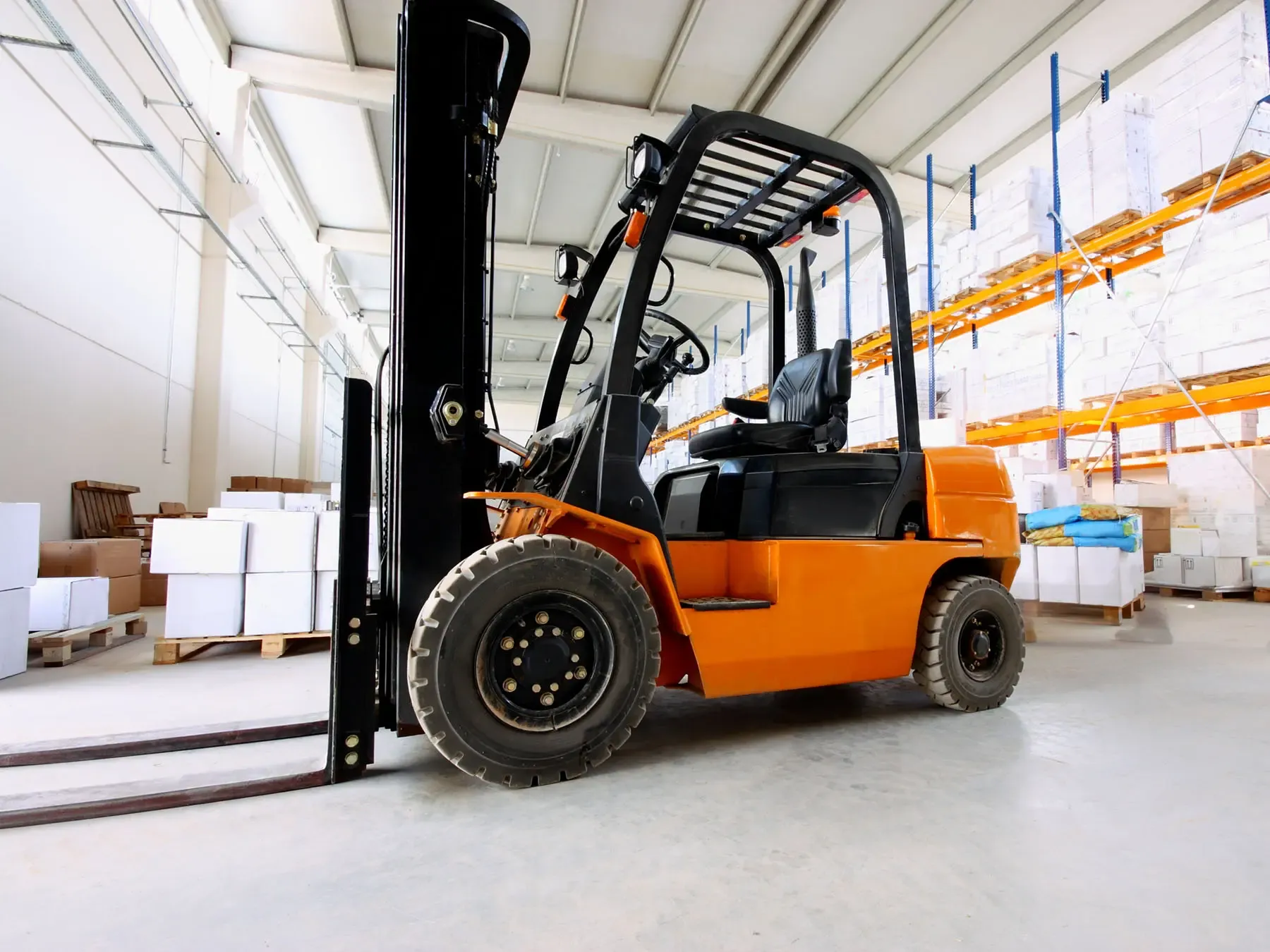 Modern forklift trucks come in various configurations, including electric forklifts, internal combustion forklifts, reach trucks, pallet stackers, and counterbalance models. Each design supports specific load capacities, lifting heights, and operating environments.
Forklift technology evolved to solve a simple challenge: moving heavy loads safely and efficiently within confined spaces. In large-scale warehouse operations, industrial equipment like forklifts enables organized inventory storage, pallet racking optimization, and streamlined supply chain logistics.
Common forklift components include:
-
Mast for vertical lifting
-
Forks (tines) for load support
-
Hydraulic system for elevation control
-
Counterweight for stability
-
Operator cabin with steering and safety controls
Understanding forklift types and industrial equipment safety principles helps businesses maintain compliance and workplace efficiency.
Importance – Why Forklift Knowledge Matters Today
Forklift trucks are essential in sectors where heavy goods handling is routine. From e-commerce fulfillment centers to construction projects, they directly affect productivity, worker safety, and operational costs.
Key areas impacted include:
-
Warehouse efficiency
-
Occupational safety compliance
-
Inventory management systems
-
Logistics and supply chain performance
-
Industrial equipment maintenance standards
Improper forklift operation is a major contributor to workplace accidents. Issues such as load instability, poor visibility, mechanical failure, or insufficient operator training can result in injuries and equipment damage.
High-risk scenarios often involve:
-
Overloading beyond rated capacity
-
Turning on uneven surfaces
-
Elevated load travel
-
Inadequate forklift maintenance
-
Untrained or uncertified operators
Industrial safety regulations emphasize forklift operator certification and periodic safety audits. Workplace safety programs focus on reducing tip-over risks, ensuring proper load balancing, and maintaining safe pedestrian zones.
The economic impact is also significant. Efficient forklift fleet management can reduce downtime, improve warehouse space utilization, and enhance operational continuity. For industries relying on heavy equipment operations, structured forklift training programs are critical to long-term performance.
Common Forklift Types and Applications
| Forklift Type | Power Source | Ideal Environment | Key Advantage |
|---|---|---|---|
| Electric Forklift | Battery-powered | Indoor warehouses | Low emissions and quiet |
| Counterbalance Forklift | Electric or fuel-based | General material handling | Versatile load handling |
| Reach Truck | Electric | Narrow aisle warehouses | Extended vertical reach |
| Rough Terrain Forklift | Diesel or gas | Construction sites | Handles uneven surfaces |
| Pallet Jack/Stacker | Electric or manual | Small storage areas | Compact and easy to maneuver |
Electric forklift systems are increasingly used in enclosed environments because they reduce exhaust emissions and improve air quality.
Recent Updates – Technology and Industry Trends
The forklift industry continues to evolve through automation, safety innovation, and sustainability initiatives.
Recent developments include:
Lithium-ion battery adoption
Lithium-ion forklift batteries are replacing traditional lead-acid systems in many facilities. They provide faster charging, longer lifespan, and reduced maintenance requirements.
Autonomous and semi-autonomous forklifts
Automated guided vehicles (AGVs) and driver-assist forklift systems are becoming more common in advanced warehouse environments. These systems use sensors, cameras, and software integration to improve safety and precision.
Telematics and fleet management software
Modern forklifts often include telematics solutions that monitor:
-
Usage hours
-
Maintenance schedules
-
Impact detection
-
Operator performance data
These analytics tools support predictive maintenance and industrial risk management strategies.
Enhanced safety systems
New forklift safety technologies include proximity detection sensors, pedestrian awareness alerts, and load stability monitoring systems.
Sustainability initiatives
Many organizations are transitioning toward energy-efficient equipment to reduce carbon emissions in logistics operations.
These trends reflect a broader shift toward data-driven warehouse management and advanced material handling solutions.
Laws or Policies – Regulatory and Compliance Framework
Forklift trucks are subject to workplace safety regulations in many countries. Regulatory frameworks generally require:
-
Certified forklift operator training
-
Equipment inspection logs
-
Load capacity labeling
-
Routine maintenance documentation
-
Safe operating procedures
In the United States, the Occupational Safety and Health Administration (OSHA) establishes standards for powered industrial truck operation. Employers must ensure operators are trained and evaluated regularly.
In the European Union, workplace safety directives and machinery regulations govern forklift use. CE marking requirements apply to certain equipment categories.
India follows occupational safety guidelines under the Factories Act and related industrial safety rules. Employers are responsible for implementing risk assessments and safe handling procedures in manufacturing environments.
Typical compliance elements include:
-
Pre-operation inspection checklists
-
Clearly marked pedestrian pathways
-
Load capacity charts visible to operators
-
Speed control measures within warehouse premises
Failure to comply with industrial safety regulations can lead to operational disruptions and legal consequences. Therefore, structured safety management systems are essential.
Tools and Resources – Practical Support for Forklift Operations
A variety of digital tools and safety resources support forklift fleet optimization and compliance.
Forklift telematics platforms
Provide performance monitoring and usage tracking.
Load capacity calculators
Help determine safe lifting parameters based on load weight and center of gravity.
Warehouse layout planning software
Supports optimized pallet rack design and traffic flow management.
Preventive maintenance checklists
Standardized templates assist in tracking service intervals and inspection records.
Forklift operator training modules
Online and in-person certification programs reinforce safe handling techniques.
Industrial risk assessment templates
Support hazard identification and mitigation planning.
Example: Forklift Inspection Checklist
| Inspection Area | Checkpoints | Frequency |
|---|---|---|
| Tires | Wear, pressure, surface damage | Daily |
| Hydraulic System | Leaks, response time | Weekly |
| Brakes | Stopping efficiency | Daily |
| Mast and Forks | Cracks, bending, alignment | Weekly |
| Battery/Engine | Charging level or fuel integrity | Daily |
Using structured tools improves compliance with industrial equipment safety standards and reduces accident risk.
Safety Best Practices for Operators
Forklift safety advice emphasizes awareness, discipline, and preventive action.
Key safety tips include:
-
Always inspect equipment before use
-
Wear proper personal protective equipment
-
Keep loads stable and within rated capacity
-
Avoid sharp turns at high speed
-
Maintain clear visibility while traveling
-
Never allow unauthorized riders
Load stability depends on the forklift stability triangle concept, which explains how balance shifts during lifting and turning. Understanding this principle reduces tip-over incidents.
Pedestrian safety is equally important. Warehouses should designate walkways and install visible warning signage.
FAQs – Frequently Asked Questions
What is the maximum load a forklift can lift?
Each forklift has a rated load capacity specified on its data plate. This depends on the model, load center distance, and mast configuration.
Do forklift operators require certification?
Yes, most regulatory authorities require formal operator training and periodic evaluation to ensure safe operation.
What is the difference between electric and diesel forklifts?
Electric forklifts produce no direct emissions and are typically used indoors, while diesel models are often used outdoors for heavy-duty applications.
How often should forklifts be inspected?
Pre-operation inspections are generally conducted daily. Scheduled maintenance varies based on usage hours and manufacturer guidelines.
What causes forklift tip-overs?
Common causes include overloading, uneven surfaces, excessive speed during turns, and improper load positioning.
Conclusion
Forklift trucks play a central role in modern material handling and warehouse operations. They support supply chain logistics, improve productivity, and reduce manual handling risks. However, their safe and efficient use requires proper training, regulatory compliance, preventive maintenance, and awareness of emerging technologies.
As automation, lithium-ion battery systems, and telematics solutions continue to shape industrial equipment standards, forklift operations are becoming more data-driven and safety-focused.
Understanding forklift types, safety practices, and compliance requirements enables organizations to maintain efficient and responsible operations while protecting workers and infrastructure.