Discover Four-Poster Bed Concepts: Overview, Basics, and Design Insights
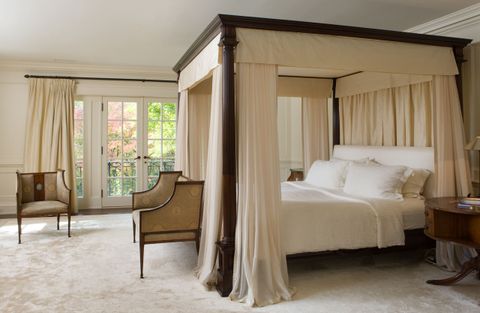
A four-poster bed is a type of bed frame that features four vertical columns, one at each corner. These posts may support a canopy, decorative top frame, or remain open depending on the design. Historically, four-poster beds were created for warmth and privacy. Heavy drapes surrounded the frame to protect sleepers from cold air and drafts in large stone buildings.
Why Four-Poster Beds Matter Today
Over time, the structure evolved from a practical necessity into a decorative furniture centerpiece. Today, four-poster beds are associated with bedroom interior design, luxury bedroom furniture, and architectural bedroom styling. They can be crafted from solid wood, metal, engineered wood, or mixed materials, and range from traditional carved styles to modern minimalist frames.
Four-poster beds differ from standard platform beds because of their vertical dimension. This verticality adds structure and visual balance to a room, often drawing the eye upward and enhancing ceiling height perception.
Comparison of common bed frame styles
While canopy beds are closely related, not every four-poster bed includes fabric or a fully connected top frame. The distinction often lies in structural elements rather than decorative styling.
Four-poster beds remain relevant in modern interior design for several practical and aesthetic reasons. First, they influence spatial perception. In rooms with higher ceilings, tall bed frames provide proportional balance. Interior designers often use vertical furniture elements to prevent spaces from feeling empty or disproportionate. Second, four-poster beds contribute to structured bedroom layouts. The frame acts as a visual anchor, helping define the sleeping zone in large bedrooms or studio apartments.
Ways homeowners can customize these units:
Add light drapery for softness
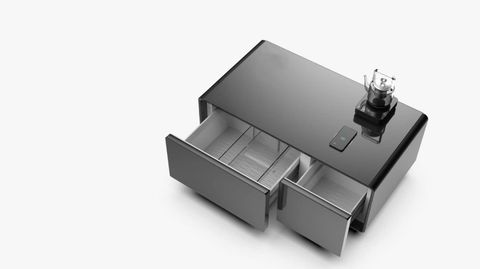
Incorporate smart lighting systems
Attach decorative headboard panels
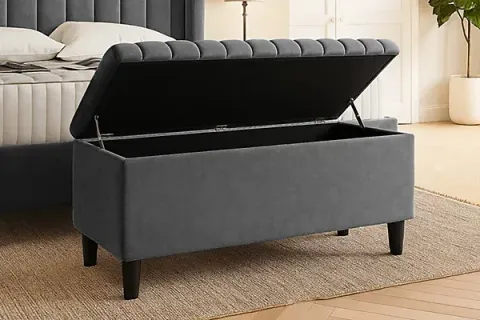
Integrate under-bed storage solutions
From an ergonomic standpoint, many modern four-poster beds are compatible with adjustable mattress systems, orthopedic mattresses, and premium sleep technology. As sleep health awareness increases, furniture design increasingly aligns with mattress performance standards and posture support principles. In real estate staging, statement bedroom furniture can influence property presentation. A structured, well-designed bed frame can elevate the perceived quality of the entire room without altering architecture.
Recent Updates
Recent design shifts have influenced how four-poster beds are manufactured and styled. Minimalist frames have gained popularity. Instead of heavy carved wood, many homeowners now prefer slim metal frames or smooth, solid wood posts with simple finishes such as matte black, walnut, or light oak tones.
Sustainable furniture materials have become more prominent.
Manufacturers increasingly use:
FSC-certified wood
Low-VOC finishes
Recycled metal components
Engineered wood with sustainable sourcing
Smart bedroom integration is another growing trend. Some contemporary four-poster designs allow hidden cable routing for bedside lighting, charging docks, or adjustable LED strips. Interior design platforms and global furniture exhibitions in recent seasons have highlighted open-frame four-poster beds without heavy drapery. The modern interpretation focuses on architectural lines rather than enclosed canopies.
Additionally, modular bedroom systems are evolving. Some brands now offer interchangeable headboards, detachable canopy tops, and customizable post heights, allowing homeowners to adapt designs to different ceiling heights or design themes.
Laws or Policies
Furniture design and manufacturing are influenced by safety, environmental, and consumer protection regulations in many countries. In the United States, furniture products must comply with standards set by the Consumer Product Safety Commission (CPSC). Stability, structural durability, and flammability standards apply particularly when textiles or upholstered components are included.
In the European Union, furniture safety aligns with EN standards related to stability, structural performance, and material safety. Timber sourcing may fall under sustainability frameworks that regulate legal wood harvesting. Indoor air quality standards also affect bedroom furniture manufacturing. Low-emission adhesives, coatings, and composite wood panels are often regulated to limit formaldehyde emissions.
Fire safety regulations may influence canopy fabric choices, especially in hospitality settings such as hotels and guest accommodations. For apartment buildings and rental housing, building codes may indirectly influence bed size and placement. Fire egress pathways must remain unobstructed, and oversized furniture in compact rooms may not meet safety recommendations.
Tools and Resources
Several tools and platforms can help individuals explore four-poster bed concepts and plan bedroom layouts effectively.
Interior Design Planning Tools:
SketchUp: 3D modeling software used for room visualization
Roomstyler: Virtual room planning interface
Planner 5D: Digital interior layout tool
These platforms allow users to test dimensions and ceiling height compatibility before selecting large furniture pieces.
Room Size and Bed Type Recommendations
Augmented reality applications allow users to preview how natural and artificial lighting interacts with tall furniture structures. Databases listing FSC-certified wood products and low-emission furniture standards can assist in evaluating environmental compliance.
Frequently Asked Questions
What is the difference between a four-poster bed and a canopy bed?
A four-poster bed includes four vertical posts. A canopy bed typically adds a connected top frame and may include drapery. All canopy beds are four-poster beds, but not all four-poster beds have a canopy.
Are four-poster beds suitable for small bedrooms?
They can work in small bedrooms if the design features slim posts and minimal overhead framing. Low ceilings may limit taller designs.
Do four-poster beds require special mattresses?
No special mattress is required. However, compatibility with adjustable bases or orthopedic mattress systems should be verified.
Are four-poster beds only traditional in style?
No. Modern interpretations include minimalist metal frames, industrial designs, and contemporary wood finishes.
How high should ceilings be for a four-poster bed?
While there is no strict rule, many designers recommend leaving at least 12–18 inches between the top of the bed frame and the ceiling for visual balance.
Conclusion
Four-poster beds have evolved from functional medieval structures into architectural focal points in contemporary bedrooms. Their vertical design adds structure, visual interest, and customization potential to interior spaces.
Today’s models reflect broader trends in sustainable furniture manufacturing, minimalist aesthetics, and smart bedroom integration. Regulations related to safety, emissions, and material sourcing influence production standards, ensuring that modern designs align with environmental and consumer protection guidelines. For homeowners, designers, and property developers, understanding bed frame dimensions, ceiling compatibility, material quality, and layout planning tools is essential. When integrated thoughtfully, a four-poster bed can contribute to a balanced, well-proportioned bedroom environment that supports both visual appeal and functional comfort.