Discover Frozen Lake Skating: Beginner Guide, Important Details, and Helpful Suggestions
Frozen lake skating is a winter recreation activity where people skate on naturally frozen lakes rather than indoor rinks. It usually takes place in cold climates where lake surfaces freeze thick enough to support people. This outdoor skating experience offers a unique connection to winter landscapes and natural environments.
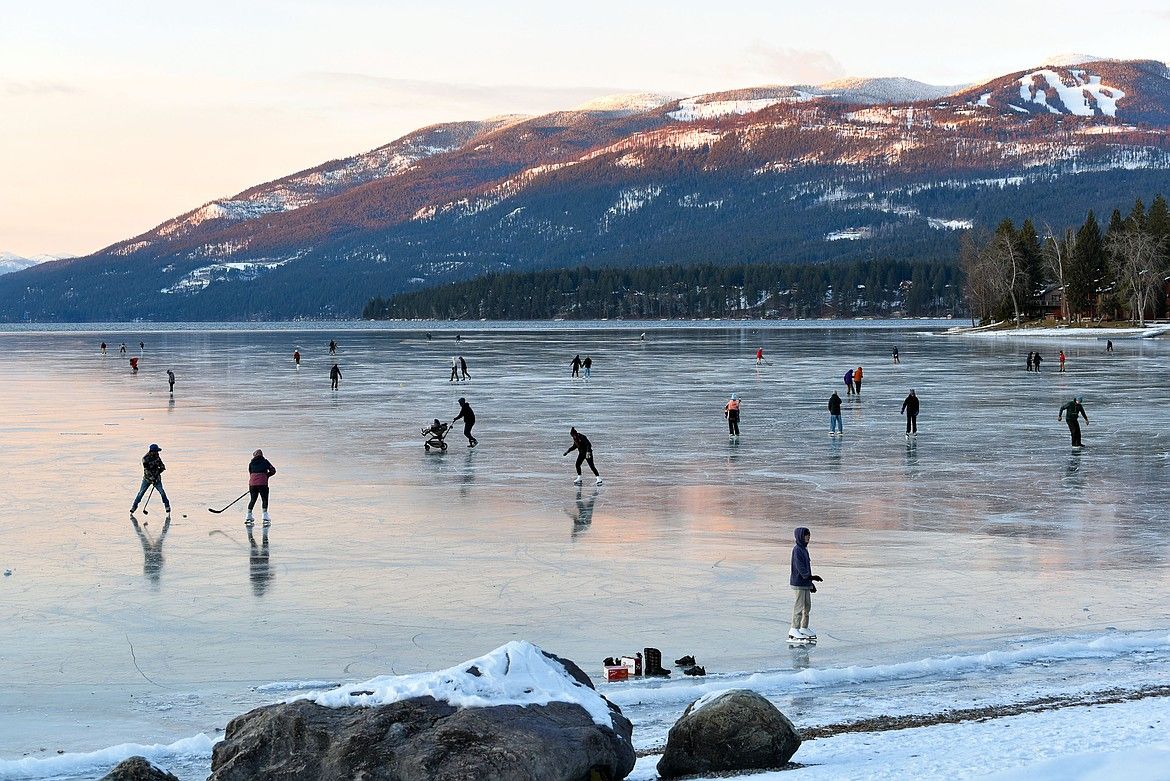
Unlike artificial ice rinks, frozen lakes depend entirely on weather conditions. Temperature changes, snowfall, and wind can affect ice quality and thickness. Because of this, skating on natural ice requires awareness, preparation, and knowledge about safe winter environments.
The tradition of skating on frozen lakes has historical roots in many northern regions. Communities in colder countries have long used frozen waterways for transportation, winter sports, and recreation. Over time, frozen lake skating became popular among outdoor enthusiasts, nature photographers, and winter sports learners.
Beginners often find frozen lake skating appealing because it combines physical activity with scenic outdoor exploration. Lakes surrounded by forests or mountains create memorable winter experiences while encouraging people to stay active during colder months.
Frozen lake skating also overlaps with other winter recreation activities such as:
-
Nordic skating
-
Ice exploration hiking
-
Winter photography
-
Outdoor fitness training
Understanding the environment, ice structure, and safety practices is essential before stepping onto a frozen lake.
Why Frozen Lake Skating Matters
Outdoor winter activities have become increasingly important for physical wellness, mental health, and seasonal recreation. Frozen lake skating contributes to this trend by offering a natural alternative to indoor sports facilities.
This activity supports several areas of interest within winter recreation knowledge and outdoor safety awareness.
Physical activity and winter fitness
Skating improves balance, coordination, and endurance. Many people use frozen lakes for aerobic exercise during winter months when other outdoor sports may be limited.
Connection with nature
Natural ice environments provide an immersive outdoor experience. Skaters often travel across wide lake surfaces while observing winter wildlife, landscapes, and frozen water patterns.
Community winter recreation
Many regions organize seasonal skating routes or mark safe ice areas. Families, outdoor clubs, and winter sports communities often gather around frozen lakes for recreational skating.
Ice safety awareness
Learning about frozen lake skating also increases awareness about ice thickness, environmental changes, and winter safety knowledge. This helps reduce accidents related to unsafe ice conditions.
Tourism and winter recreation economy
Cold-climate destinations sometimes highlight frozen lake skating as part of winter recreation tourism. Travelers interested in outdoor winter activities may visit regions known for stable lake ice conditions.
The growing interest in outdoor winter sports has encouraged educational content around ice safety, winter survival basics, and environmental awareness.
Trends and Developments in Frozen Lake Skating
Recent winter seasons have shown several trends influencing frozen lake skating and natural ice recreation.
Growing popularity of Nordic skating
Nordic skating involves long-distance skating across natural ice surfaces. Outdoor enthusiasts are increasingly exploring lakes and coastal ice routes using specialized skating equipment.
Improved ice monitoring technologies
Some regions have introduced digital tools for monitoring lake ice conditions. These systems collect environmental data such as temperature, snow cover, and ice thickness.
Example data used in ice monitoring systems:
| Ice Thickness | Safety Interpretation |
|---|---|
| Under 3 inches | Unsafe for walking |
| 4 inches | Minimum thickness for individuals |
| 5–7 inches | Suitable for small groups |
| 8–12 inches | Supports heavier winter activities |
Winter recreation mapping
Outdoor communities have started documenting natural ice routes and safe skating areas. These maps help people understand where natural ice conditions are commonly stable.
Environmental awareness
Climate patterns can influence how often lakes freeze and how long the ice remains stable. Because of this, many winter recreation groups emphasize environmental observation and seasonal ice education.
The growing use of weather forecasting data and ice safety awareness has improved preparedness among outdoor recreation enthusiasts.
Rules, Guidelines, and Safety Regulations
Frozen lake skating is influenced by local environmental policies and winter safety regulations. These rules vary depending on the country or region where the activity takes place.
Many local governments and park authorities issue seasonal guidance related to frozen lakes.
Common guidelines include:
-
Monitoring official ice condition reports
-
Following local park safety notices
-
Avoiding areas with moving water or currents
-
Observing posted winter recreation rules
In some regions, environmental authorities track lake ice conditions to help residents understand when ice may be safe for recreational use.
Public safety agencies may also recommend the following precautions:
-
Skating with a companion rather than alone
-
Carrying ice safety equipment such as ice picks
-
Wearing layered winter clothing for insulation
-
Avoiding unfamiliar lake areas
Local emergency services often publish winter safety information to reduce risks associated with natural ice environments.
Environmental regulations may also protect sensitive wildlife areas during winter. Certain lakes may restrict recreational activities to preserve ecosystems or migratory bird habitats.
Understanding regional guidelines helps ensure that frozen lake skating remains safe and environmentally responsible.
Helpful Tools and Resources for Frozen Lake Skating
Various tools and informational resources can help beginners understand frozen lake skating conditions and safety preparation.
Weather monitoring applications
Weather tracking tools provide temperature forecasts and seasonal climate patterns. Consistent freezing temperatures are necessary for stable lake ice.
Ice thickness measurement tools
Some outdoor enthusiasts use ice drills or measurement gauges to estimate ice thickness before skating.
Winter recreation mapping platforms
Digital maps help identify known skating routes, lake access points, and winter trails.
Outdoor safety guides
Educational resources explain how to recognize safe ice, understand environmental hazards, and prepare for winter recreation.
Personal safety equipment
Common safety items include:
-
Ice picks for emergency self-rescue
-
Safety whistles for communication
-
Reflective clothing for visibility
-
Waterproof gloves and insulated layers
Ice condition observation checklist
| Observation | What It Indicates |
|---|---|
| Clear blue ice | Stronger ice formation |
| White cloudy ice | Air pockets inside ice |
| Cracks with water | Unstable surface |
| Snow-covered ice | Harder to judge thickness |
Understanding these tools and resources improves preparedness for beginners who want to explore frozen lakes safely.
Frequently Asked Questions
What is the safest ice thickness for frozen lake skating?
Many safety guides suggest that clear, solid ice should be at least four inches thick before individuals walk or skate on it. However, ice conditions can vary depending on temperature, water currents, and snow cover.
How can beginners identify safe ice?
Safe ice often appears clear or slightly blue. Snow-covered or white ice may contain air pockets that weaken the structure. Beginners should observe surface conditions and avoid unfamiliar lake areas.
Is frozen lake skating different from rink skating?
Yes. Frozen lakes have natural ice surfaces that may include cracks, snow patches, or uneven textures. Rink ice is smoother and maintained artificially, making it more predictable for beginners.
What equipment is recommended for beginners?
Basic skating gear includes well-fitted ice skates, insulated clothing, gloves, and protective layers. Safety items such as ice picks and whistles are also commonly recommended for outdoor skating.
Why do some lakes freeze unevenly?
Lake freezing patterns depend on water depth, currents, temperature fluctuations, and snowfall. Areas near inflowing rivers or underwater springs may remain thinner even during cold weather.
Ice Thickness Visualization
Estimated relationship between ice thickness and activity safety:
Ice Thickness (inches)
12 | ██████████████
10 | ████████████
 8 | ██████████
 6 | ████████
 4 | █████
 2 | ██
This visual representation helps beginners understand how thicker ice increases stability for winter recreation activities.
Conclusion
Frozen lake skating combines outdoor adventure, winter recreation knowledge, and environmental awareness. It offers an opportunity to experience winter landscapes while engaging in a physically active activity.
For beginners, understanding ice conditions, safety guidelines, and environmental factors is essential before stepping onto natural ice. Learning about ice thickness, weather patterns, and local regulations helps reduce risks and improve overall preparedness.
As winter recreation continues to grow in popularity, frozen lake skating remains an activity that encourages people to explore natural environments responsibly. By combining proper preparation, awareness of safety guidelines, and observation of changing conditions, individuals can better understand how natural ice environments function.
Educational resources, weather monitoring tools, and winter safety knowledge all contribute to making frozen lake skating a well-informed and enjoyable winter experience.

