Discover Hair Transplant Options: Tips, Insights, and What You Need to Know
Hair loss is a common concern for millions of people around the world. Whether caused by genetics, aging, hormonal changes, medical conditions, or stress, losing hair can affect self-confidence and emotional well-being. Hair transplants have emerged as one of the most effective solutions to restore hair growth and improve appearance. This guide offers insights into available options, legal considerations, new trends, and helpful tools designed to inform and guide individuals considering this treatment.
A hair transplant is a medical procedure that involves moving hair follicles from one part of the body (commonly the back or sides of the scalp) to an area where hair is thinning or balding. It exists to address hair loss problems that cannot be solved with medication or lifestyle changes alone.
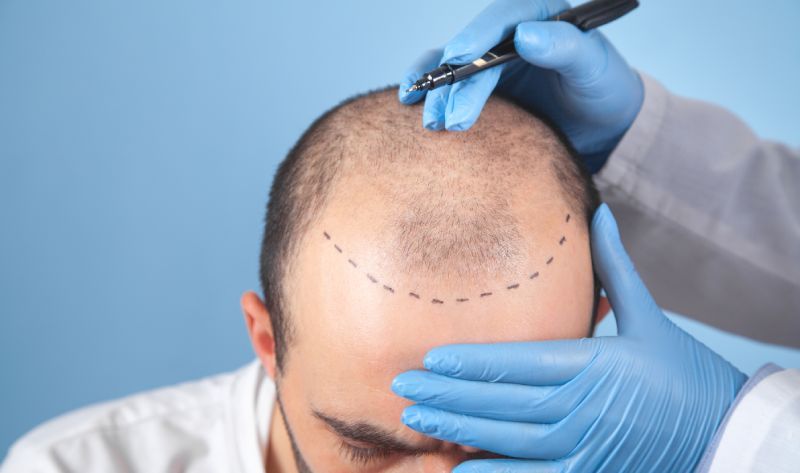
The concept has been around for decades, but modern techniques have made it more effective, less invasive, and more natural-looking. It's a solution primarily chosen by those with pattern baldness (androgenetic alopecia), though it can also help individuals who have lost hair due to injury, surgery, or certain medical conditions.
Why Hair Transplant Matters Today
Hair loss affects a wide demographic, regardless of age or gender. According to the American Hair Loss Association, over 65% of men experience hair loss by the age of 35. Women, too, face hair thinning, especially due to hormonal changes like menopause or after childbirth.
Here’s why this topic is important:
-
Emotional impact: Hair loss can cause anxiety, low self-esteem, and social discomfort.
-
Rising demand for solutions: With the growth of aesthetic medicine, more people are looking for long-term fixes.
-
Increased access: Techniques are becoming more affordable and widely available.
-
Cosmetic confidence: People undergoing hair transplants often report an improvement in self-image.
Hair transplant procedures are no longer seen as cosmetic luxuries—they are now part of broader wellness and personal care solutions.
Recent Updates and Trends
In recent years, hair transplant technologies and trends have evolved rapidly. Here's what’s new as of 2024–2025:
| Trend/Update | Details |
|---|---|
| Robotic-Assisted FUE | Advanced tools like ARTAS are automating follicle extraction for precision. |
| Stem Cell Therapy | Being researched as a non-surgical hair regrowth alternative. |
| DHI Popularity Rising | Direct Hair Implantation (DHI) is gaining attention for faster recovery. |
| Beard and Eyebrow Transplants | Procedures have expanded beyond the scalp to facial hair restoration. |
| Medical Tourism Growth | Countries like Turkey, India, and Thailand are becoming affordable options. |
Legal and Regulatory Overview
Hair transplant procedures fall under medical regulations in most countries. Here's a summary of how laws and policies apply:
-
United States: The FDA does not regulate hair transplants directly, but it does oversee equipment and medications used in the process. Board-certified dermatologists or plastic surgeons are recommended for safety and quality.
-
India: Clinics must be registered under the Clinical Establishments Act and comply with the Medical Council of India regulations. Only qualified doctors can perform the procedure.
-
United Kingdom: Regulated by the Care Quality Commission (CQC). Clinics must be registered, and practitioners should ideally be members of the General Medical Council (GMC).
-
Turkey: Governed by the Ministry of Health, which has strict rules for licensing. It's a major destination for medical tourists, and reputable clinics follow international standards.
Tip: Always check the credentials of the clinic and surgeon, regardless of the country.
Tools and Resources to Explore
Several online tools and platforms can help users make informed decisions about hair transplants:
-
Graft Calculator Tools – Estimate how many grafts you may need based on the balding pattern.
-
Example: HairScienceClinic Graft Calculator
-
-
Before & After Galleries – View patient results across clinics to set realistic expectations.
-
Cost Comparison Charts – Helps compare prices by country or procedure type.
-
E.g., FUE in India vs. FUE in the US
-
-
Teleconsultation Platforms – Book virtual consultations with doctors.
-
Examples: Zocdoc, Practo, RealSelf
-
-
Mobile Apps – Apps like Hair Loss Tracker let users monitor hair shedding, treatment responses, and growth cycles.
-
Accreditation Websites – Use platforms like ISHR (International Society of Hair Restoration) to find certified professionals.
Frequently Asked Questions (FAQs)
1. Who is a good candidate for a hair transplant?
A good candidate has sufficient donor hair on the scalp, good general health, and realistic expectations. People with complete baldness may not benefit as much.
2. What is the difference between FUE and FUT?
-
FUE (Follicular Unit Extraction): Individual follicles are extracted, leaving tiny scars.
-
FUT (Follicular Unit Transplantation): A strip of scalp is removed, and follicles are extracted from it—results in a linear scar.
3. Are hair transplant results permanent?
Yes, in most cases. The transplanted hair behaves like the donor area and continues to grow for years. However, natural aging and other medical conditions can affect overall hair health.
4. What are the risks or side effects?
Common side effects include swelling, temporary shedding, and minor pain. Rare complications involve infection or unnatural hair growth direction. Following post-op instructions reduces risks.
Final Thoughts
Hair transplant surgery has become a safe and accessible option for those facing hair loss. Whether you're just beginning to explore treatment or comparing different methods, understanding the basics, staying informed about trends, and knowing what to expect can make the process more transparent.
As with any medical procedure, research, consultation with a qualified professional, and careful planning are crucial. This guide is designed to offer clarity not promote a particular clinic or service and to empower readers with knowledge that supports their personal decisions.
If you're considering a hair transplant, use the tools, ask the right questions, and prioritize your health and long-term results over quick fixes.