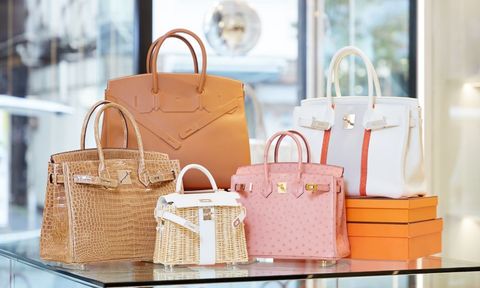
Discover Handbag Materials: A Guide to Styles, Structure, and Information
Handbag materials refer to the substances used to construct the outer body, lining, handles, and structural elements of handbags. These materials determine how a handbag looks, feels, performs, and lasts over time. From natural fibers to engineered fabrics, material selection plays a central role in handbag design and everyday usability.
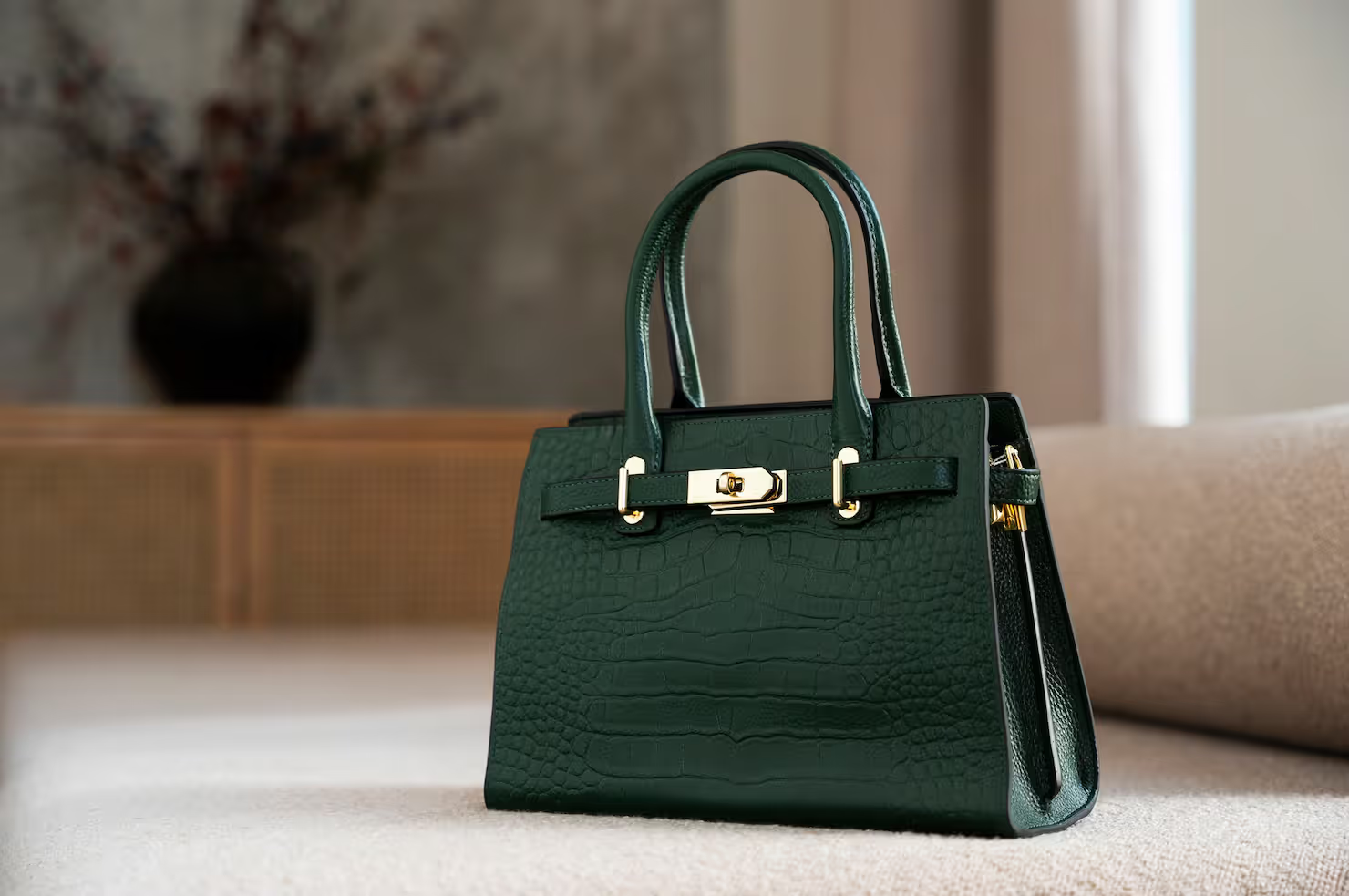
Handbags exist to support daily routines by helping people carry personal items in an organized and accessible way. Over time, handbags have evolved beyond utility to reflect personal style, cultural preferences, and practical needs. Materials are chosen not only for appearance but also for strength, flexibility, weight, and resistance to wear.
Understanding handbag materials helps individuals interpret product descriptions, compare design features, and recognize how different materials behave in real-world use. This knowledge supports informed decision-making and realistic expectations about durability, maintenance, and structure.
Common handbag materials include natural materials such as leather and cotton, synthetic materials such as polyurethane and nylon, and blended or coated fabrics designed for enhanced performance. Each material category exists to address specific functional or aesthetic requirements.
Importance: Why Handbag Material Knowledge Matters Today
Handbag materials matter because they directly influence daily comfort, longevity, and practicality. A lightweight fabric may suit frequent travel, while a structured material may support professional settings. Material knowledge affects how users store items, clean surfaces, and adapt handbags to different environments.
This topic affects a wide audience, including everyday users, designers, students, and researchers interested in fashion materials and consumer products. It also matters to individuals seeking clarity in an information-heavy digital environment where material terms are often technical or unclear.
Material awareness helps solve several common problems:
-
Confusion between genuine and synthetic materials
-
Mismatched expectations about durability or flexibility
-
Improper care leading to early material damage
-
Difficulty comparing similar handbag styles
By understanding materials, users can align handbag selection with climate, usage frequency, and personal preferences without relying on promotional language.
From an industry perspective, material literacy supports transparency and improves communication between manufacturers, educators, and the public.
Recent Updates: Material Developments and Emerging Trends
In recent months, material innovation has focused on performance improvement, material traceability, and reduced environmental impact. Manufacturers and researchers have emphasized material testing, layered construction, and alternative fiber sources.
Notable developments observed during the past several months include:
-
Increased use of coated fabrics designed to resist moisture and surface abrasion
-
Expanded application of plant-based fibers blended with synthetic stabilizers
-
Improved lining materials that enhance internal structure without adding weight
-
Greater standardization of material labeling terminology
Design trends have shown a preference for materials that balance structure with softness. This has led to wider adoption of multi-layer material systems combining outer shells, reinforcement layers, and protective coatings.
Material transparency has also gained attention, with clearer disclosure of material composition and manufacturing processes becoming more common in informational catalogs and product documentation.
Laws or Policies: Regulatory Influence on Handbag Materials
Handbag materials are influenced by national and international regulations related to manufacturing standards, material safety, and labeling accuracy. These rules exist to protect consumers, workers, and the environment.
Common regulatory areas affecting handbag materials include:
-
Restrictions on hazardous chemicals used in dyes and coatings
-
Standards for material labeling and fiber disclosure
-
Import and export compliance for animal-derived materials
-
Environmental guidelines for waste management and emissions
Many regions require accurate representation of material composition to prevent misleading information. This affects how terms like “leather,” “synthetic,” or “textile blend” can be used in descriptions.
Environmental policies also influence material sourcing by encouraging reduced chemical usage and improved waste control during material processing. These policies shape research into alternative materials and safer finishing techniques.
Tools and Resources: Helpful References for Handbag Material Learning
Several tools and resources support learning and evaluation of handbag materials. These resources focus on education, comparison, and material understanding rather than transactions.
Useful resource categories include:
-
Material reference guides explaining fibers, coatings, and finishes
-
Textile comparison charts showing durability, weight, and flexibility
-
Care instruction templates based on material type
-
Material identification charts for visual and tactile recognition
-
Design structure diagrams illustrating layered handbag construction
Example Material Comparison Table
| Material Type | Flexibility | Structure Support | Surface Resistance |
|---|---|---|---|
| Full-grain leather | Medium | High | Medium |
| Coated canvas | Low | Medium | High |
| Nylon fabric | High | Low | High |
| Polyurethane | Medium | Medium | High |
These tools help users analyze material characteristics in a clear, standardized format.
Common Handbag Materials Explained
Natural Materials
Natural materials originate from animal or plant sources. Leather is the most recognized natural handbag material, valued for strength and adaptability. Cotton and jute are plant-based options known for breathability and texture.
Characteristics include:
-
Organic texture
-
Gradual surface change over time
-
Sensitivity to moisture and temperature
Synthetic Materials
Synthetic materials are engineered to replicate or improve upon natural properties. Common examples include polyurethane, polyester, and nylon.
Advantages include:
-
Consistent appearance
-
High resistance to moisture
-
Lightweight construction
Blended and Coated Materials
Blended materials combine natural and synthetic elements. Coated fabrics use surface layers to improve resistance and structural stability.
These materials exist to balance comfort, durability, and maintenance requirements.
FAQs: Common Questions About Handbag Materials
What material is best for daily handbag use?
Materials with high surface resistance and moderate flexibility, such as coated canvas or reinforced synthetic fabrics, are often suitable for frequent use.
How can handbag material affect structure?
Stiffer materials maintain shape, while flexible materials adapt to contents but may lose structure over time.
Are synthetic materials less durable than natural ones?
Durability depends on construction and usage. Many synthetic materials perform well under repeated use due to engineered strength.
How do lining materials impact a handbag?
Lining materials support internal structure, protect contents, and influence overall weight and durability.
Why do some handbags combine multiple materials?
Combining materials allows designers to optimize strength, flexibility, appearance, and performance in different areas of the bag.
Conclusion: Making Sense of Handbag Materials
Handbag materials define how a handbag functions, feels, and lasts. Understanding material types, structures, and characteristics provides clarity in a complex product category filled with technical terms.
By learning how materials differ and why they exist, individuals can better evaluate handbag designs, care requirements, and long-term performance. This knowledge supports practical decision-making without reliance on promotional language.
As materials continue to evolve, clear information and transparent classification remain essential. A well-informed perspective on handbag materials benefits users, educators, and designers alike.