Discover Industrial Gear Manufacturing: Essential Information, Resources, and Suggestions
Industrial gear manufacturing refers to the process of designing, engineering, and producing mechanical gears used in heavy-duty transmission systems and machinery. Gears are toothed mechanical components that transfer motion, torque, and speed between rotating shafts. They exist to improve efficiency, adjust speed ratios, and enable mechanical power transmission in equipment across industries.
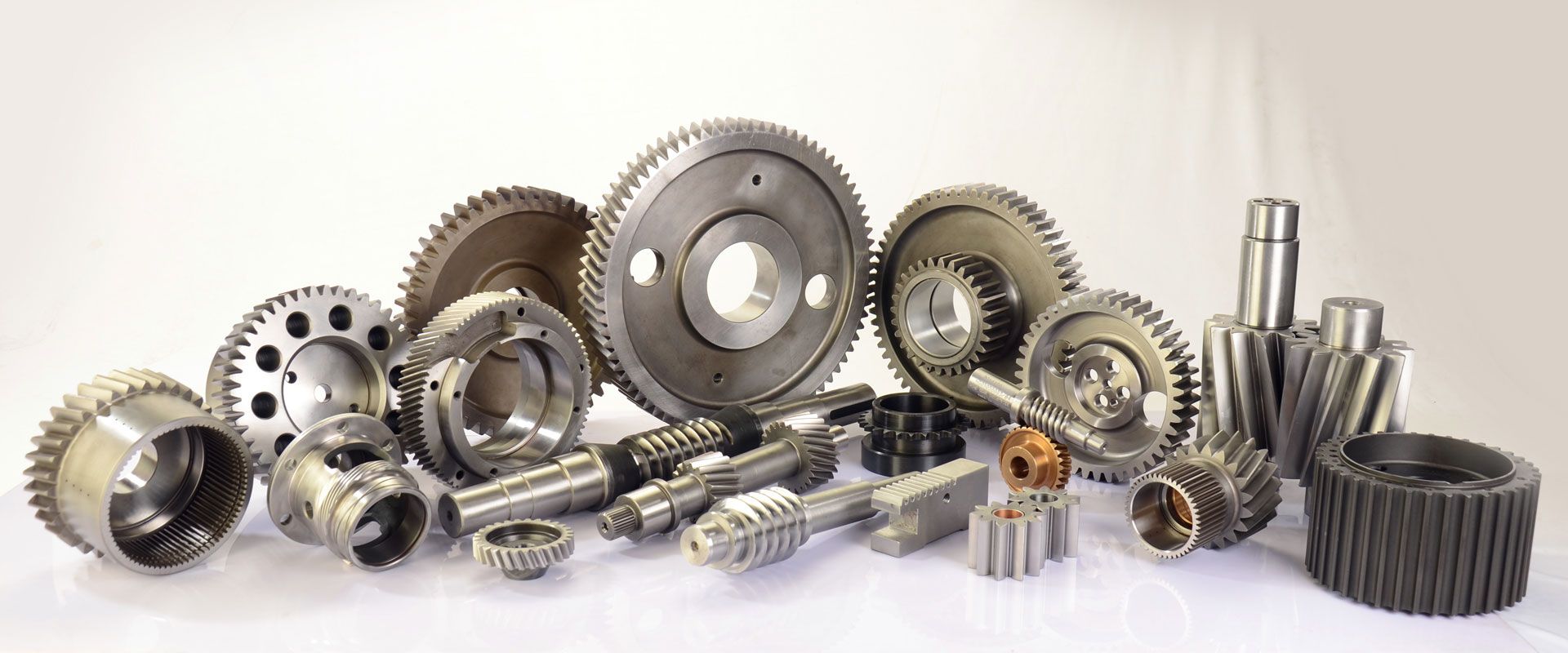 From wind turbines and automotive drivetrains to robotics and mining machinery, precision gear machining plays a central role in industrial automation components. Gearbox design engineering ensures that machinery operates smoothly, safely, and efficiently under varying load conditions.
Gears are typically manufactured using advanced manufacturing technology such as CNC gear cutting, hobbing, shaping, grinding, and heat treatment processes. These steps help achieve dimensional accuracy, surface hardness, and durability required for demanding industrial environments.
Common types of industrial gears include:
-
Spur gears
-
Helical gears
-
Bevel gears
-
Worm gears
-
Planetary gears
Each type is selected based on torque requirements, alignment, speed ratio, and application environment.
Industrial gear manufacturing combines mechanical engineering principles with metallurgy, materials science, and digital precision engineering systems to ensure reliable performance.
Why Industrial Gear Manufacturing Matters Today
Industrial gear systems affect nearly every modern production sector. As industries expand automation and smart manufacturing capabilities, high-precision gear systems become increasingly important.
Key sectors influenced include:
-
Renewable energy and wind turbine systems
-
Automotive and electric vehicle drivetrains
-
Aerospace mechanical assemblies
-
Mining and heavy equipment
-
Industrial robotics and automation
-
Construction machinery
Heavy-duty transmission systems must handle extreme torque, high rotational speeds, temperature variation, and vibration. Poor gear quality can lead to:
-
Equipment downtime
-
Energy inefficiency
-
Increased maintenance cycles
-
Safety risks
-
Reduced productivity
Precision gear machining directly improves mechanical reliability and energy efficiency. For example, improved tooth geometry reduces friction losses, while advanced surface finishing enhances durability.
Below is a simplified comparison of gear types and their typical applications:
| Gear Type | Typical Application | Key Advantage |
|---|---|---|
| Spur Gear | Conveyor systems | Simple and efficient |
| Helical Gear | Automotive transmissions | Smooth and quiet operation |
| Bevel Gear | Differential systems | Transfers motion at angles |
| Worm Gear | Lifting mechanisms | High torque reduction |
| Planetary Gear | Wind turbines, robotics | Compact high torque capacity |
As industries transition toward energy-efficient equipment and electric mobility, gearbox design engineering plays a crucial role in reducing carbon footprints and improving performance.
Recent Developments and Industry Trends
Industrial gear manufacturing has seen significant technological evolution in recent times. Advanced manufacturing technology and automation integration are reshaping production methods.
Key developments include:
-
Increased adoption of CNC gear cutting with digital precision controls
-
Growth of additive manufacturing for prototype gear components
-
Expansion of Industry 4.0 systems in gear quality control systems
-
Advanced metallurgy for higher fatigue resistance
-
Greater integration with electric motor systems
Automation now enables real-time monitoring of gear geometry using coordinate measuring machines (CMMs). Digital twins and simulation software improve gearbox design engineering before physical production begins.
Another noticeable trend is sustainability. Manufacturers are focusing on:
-
Reducing material waste
-
Improving lubrication efficiency
-
Designing lighter gear assemblies
-
Using recyclable alloys
Electric vehicle production has also influenced gear design, requiring quieter and more compact mechanical power transmission systems.
Below is a simplified representation of the typical gear manufacturing workflow:
Design → Material Selection → CNC Machining → Heat Treatment → Grinding → Inspection → Assembly
Modern quality control systems use digital scanning to ensure AGMA gear standards compliance and improve reliability.
Laws, Standards, and Policy Framework
Industrial gear manufacturing operates under various engineering and safety standards. These regulations ensure durability, safety, and performance consistency.
Common standards influencing the sector include:
-
AGMA gear standards (American Gear Manufacturers Association)
-
ISO mechanical engineering standards
-
DIN gear tolerance classifications
-
Environmental regulations on industrial emissions
-
Occupational safety and machinery directives
Manufacturers must comply with workplace safety regulations related to heavy machinery operation, noise levels, and material handling. Environmental policies often require responsible waste management and emission controls during heat treatment and metal processing.
Energy efficiency guidelines also influence gearbox design engineering. Many countries promote improved industrial efficiency through government programs that encourage modernized machinery and sustainable manufacturing practices.
Compliance ensures:
-
Safe operation
-
Interchangeability of parts
-
Performance predictability
-
Global trade compatibility
Following standardized gear quality control systems enhances both reliability and international acceptance.
Tools and Resources for Industrial Gear Manufacturing
Professionals and students interested in industrial gear manufacturing can benefit from various engineering tools and educational resources.
Design and Simulation Software:
-
CAD software for 3D modeling
-
Gear design calculation tools
-
Finite Element Analysis (FEA) software
-
Digital twin simulation platforms
Inspection and Measurement Tools:
-
Coordinate Measuring Machines (CMM)
-
Surface roughness testers
-
Gear tooth profile analyzers
-
Hardness testing systems
Educational and Technical Resources:
-
Mechanical engineering textbooks
-
Professional engineering associations
-
Industry journals on precision gear machining
-
Technical training institutes
Below is a basic overview of common manufacturing processes and their purposes:
| Process | Purpose |
|---|---|
| Hobbing | Cutting gear teeth |
| Shaping | Internal gear production |
| Grinding | Surface finishing and accuracy |
| Heat Treatment | Hardness and wear resistance |
| Inspection | Quality verification |
These tools and systems support improved mechanical power transmission performance and enhance manufacturing consistency.
Frequently Asked Questions
What materials are commonly used in industrial gear manufacturing?
Common materials include alloy steel, carbon steel, cast iron, and specialized hardened metals. Selection depends on torque load, speed, temperature, and environmental conditions.
How does precision gear machining improve equipment lifespan?
Accurate tooth geometry reduces friction, vibration, and uneven wear. This results in smoother operation and longer component life.
What is the role of heat treatment in gear production?
Heat treatment increases surface hardness and fatigue resistance. It strengthens gears to handle heavy-duty transmission systems without deformation.
Why are AGMA gear standards important?
These standards define gear tolerances, design criteria, and inspection methods. They help ensure compatibility, reliability, and consistent performance.
How is automation changing gearbox design engineering?
Automation allows digital modeling, real-time monitoring, and data-driven quality control. This improves production accuracy and reduces errors.
Conclusion
Industrial gear manufacturing remains a foundational part of modern mechanical engineering. From renewable energy installations to automotive drivetrains, precision gear machining enables reliable mechanical power transmission across sectors.
Advancements in CNC gear cutting, digital inspection systems, and advanced manufacturing technology continue to enhance accuracy and durability. Regulatory standards and environmental policies shape production practices, ensuring safety and efficiency.
As automation and energy efficiency become central to global industrial growth, gearbox design engineering and heavy-duty transmission systems will continue to evolve. Understanding materials, processes, standards, and quality control systems provides valuable insight into how industrial machinery operates and advances.
Industrial gear manufacturing is not simply about producing mechanical components; it represents the integration of engineering precision, regulatory compliance, and technological innovation that supports modern industry.

