Discover Industrial Processing Units: Informative Overview, System Functions, Technology Insights, and Practical Guidance
Industrial processing units are specialized systems used in manufacturing and production environments to transform raw materials into finished or semi-finished products. These units are designed to perform controlled physical or chemical processes such as heating, mixing, refining, separation, or packaging.
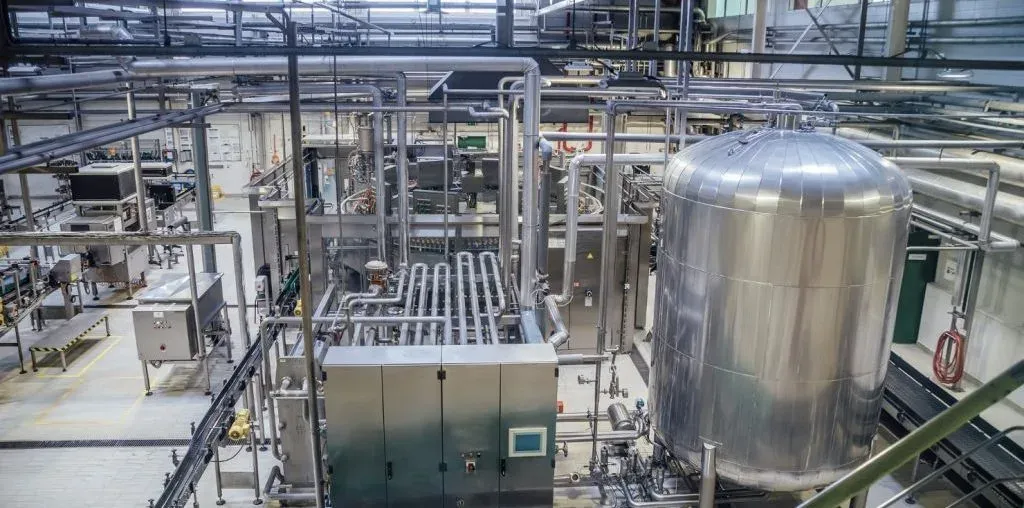
Across sectors like chemical processing plants, food manufacturing facilities, pharmaceutical production lines, and energy processing systems, these units ensure consistent production output while maintaining quality and operational safety. Industrial processing infrastructure may include reactors, distillation columns, filtration systems, conveyor systems, and automated monitoring equipment.
Modern processing facilities are built with industrial automation technology, process control systems, and digital monitoring platforms. Sensors, programmable logic controllers (PLCs), and industrial data networks enable real-time supervision of temperature, pressure, flow rates, and material composition.
Industrial processing units exist because large-scale production requires precision, repeatability, and safety. Without structured systems, industries would struggle to maintain consistent product standards, regulatory compliance, and operational efficiency.
The evolution of these systems has also been influenced by industrial IoT integration, smart manufacturing analytics, and predictive maintenance technologies. These advancements allow manufacturers to detect anomalies early and improve productivity through data-driven insights.
Why Industrial Processing Units Matter in Modern Industries
Industrial processing units play a fundamental role in global production ecosystems. Many everyday products depend on controlled processing systems to achieve consistent quality and performance.
Industries relying heavily on processing infrastructure include:
-
Petrochemical and energy processing facilities
-
Food and beverage manufacturing plants
-
Pharmaceutical production environments
-
Metal refining and materials engineering sectors
-
Water treatment and environmental processing systems
One of the primary advantages of industrial processing units is process optimization. Automated systems reduce human error while ensuring materials move through each production stage under controlled conditions.
These systems also contribute to industrial efficiency optimization and resource management. Modern facilities aim to reduce waste, energy consumption, and downtime through advanced monitoring platforms.
Key benefits include:
-
Consistent product quality through automated process control
-
Increased operational efficiency and production stability
-
Enhanced worker safety through remote monitoring and containment systems
-
Improved environmental management through emissions control and waste treatment
Industrial processing technologies also support industrial scalability. As demand increases, processing systems can be expanded or upgraded with modular equipment and digital control platforms.
Many organizations now adopt digital manufacturing frameworks and industrial data analytics to track production performance, identify inefficiencies, and forecast maintenance needs.
Recent Developments in Industrial Processing Technology
Industrial processing systems have experienced rapid innovation due to advancements in automation, digital monitoring, and sustainability initiatives. Over the past year, several developments have influenced the design and operation of modern processing units.
One notable trend is the integration of industrial Internet of Things (IIoT) platforms within processing environments. Sensors connected to cloud-based monitoring systems allow engineers to track production metrics continuously and identify operational irregularities.
Another key advancement is predictive maintenance technology. Machine learning algorithms analyze equipment performance data to predict when components may require maintenance. This reduces unexpected downtime and improves overall production stability.
Sustainability initiatives have also influenced processing technologies. Many industrial facilities are adopting:
-
Energy-efficient processing equipment
-
Waste heat recovery systems
-
Water recycling technologies
-
Emission monitoring platforms
Additionally, digital twin technology has gained attention in industrial engineering. A digital twin is a virtual model of a processing system used to simulate performance, analyze production scenarios, and test operational improvements before applying them in real environments.
The following table summarizes several emerging technology areas in industrial processing environments.
| Technology Area | Primary Function | Industry Impact |
|---|---|---|
| Industrial IoT Sensors | Real-time equipment monitoring | Improved operational visibility |
| Predictive Maintenance Analytics | Early failure detection | Reduced downtime |
| Digital Twin Simulation | Virtual system modeling | Process optimization |
| Smart Process Control Systems | Automated parameter adjustments | Consistent production quality |
| Energy Efficiency Monitoring | Tracking energy usage | Sustainability improvements |
These developments highlight how industrial automation solutions and smart manufacturing technologies are reshaping modern processing systems.
Regulations and Policies Affecting Industrial Processing Facilities
Industrial processing operations are subject to various national and international regulations designed to ensure safety, environmental protection, and product quality.
Governments and regulatory authorities establish policies related to:
-
Workplace safety standards
-
Environmental emissions control
-
Hazardous material handling
-
Industrial waste management
-
Product quality assurance
For example, many countries enforce industrial safety regulations that require facilities to implement risk assessment procedures, emergency shutdown systems, and equipment inspection protocols.
Environmental compliance is another major aspect. Processing plants must monitor emissions, wastewater discharge, and chemical handling practices to ensure they meet environmental guidelines.
Several policy frameworks often influence industrial operations:
| Policy Category | Regulatory Focus |
|---|---|
| Environmental Regulations | Air emissions, water discharge, waste treatment |
| Industrial Safety Codes | Worker protection, equipment safety |
| Manufacturing Quality Standards | Product consistency and traceability |
| Energy Efficiency Programs | Industrial energy conservation |
Governments may also promote sustainable manufacturing initiatives and energy efficiency programs that encourage industries to upgrade equipment and adopt cleaner technologies.
Compliance with these policies helps industries maintain responsible operations while protecting workers, communities, and surrounding ecosystems.
Useful Tools and Resources for Industrial Processing Management
Engineers and facility managers rely on various tools to monitor, analyze, and optimize industrial processing systems. These resources support process control, equipment maintenance, and operational planning.
Common categories of industrial management tools include:
Process monitoring platforms:
-
Industrial process control dashboards
-
Supervisory control and data acquisition systems
-
Real-time production analytics tools
Engineering design and simulation tools:
-
Process simulation software
-
Digital twin modeling platforms
-
Thermal and fluid dynamics analysis systems
Maintenance and operational planning resources:
-
Predictive maintenance analytics tools
-
Equipment inspection checklists
-
Industrial asset management platforms
Industrial engineers also use calculators and templates to estimate system performance.
Examples include:
| Tool Type | Purpose |
|---|---|
| Energy Consumption Calculator | Estimates energy usage of processing systems |
| Flow Rate Calculator | Determines fluid movement in pipelines |
| Heat Transfer Estimator | Calculates thermal energy exchange |
| Production Capacity Planner | Evaluates processing output potential |
These tools help professionals manage industrial process optimization, plant efficiency analytics, and equipment reliability management.
Frequently Asked Questions About Industrial Processing Units
What is an industrial processing unit?
An industrial processing unit is a system or collection of equipment designed to transform raw materials into processed products through physical or chemical operations such as heating, mixing, filtering, or separating.
Where are industrial processing units commonly used?
They are used in industries including chemical manufacturing, food processing, pharmaceutical production, petroleum refining, metal processing, and water treatment facilities.
How do automation systems improve industrial processing?
Automation systems use sensors, controllers, and data analysis tools to regulate production conditions. This improves accuracy, reduces human error, and enables continuous monitoring of equipment performance.
What is predictive maintenance in industrial processing?
Predictive maintenance uses data analytics and machine learning to analyze equipment performance and predict potential failures before they occur, allowing maintenance to be scheduled proactively.
Why are environmental regulations important for processing plants?
Environmental regulations ensure industrial facilities manage emissions, waste, and chemical handling responsibly, protecting ecosystems, communities, and worker safety.
Conclusion
Industrial processing units form the backbone of modern manufacturing and production systems. These systems enable industries to convert raw materials into usable products through structured, controlled, and scalable processes.
Advancements in industrial automation systems, digital manufacturing analytics, and predictive maintenance technologies are transforming how processing facilities operate. Organizations now rely on real-time data monitoring and intelligent control systems to enhance productivity and improve operational safety.
Regulatory frameworks also play an important role in guiding responsible industrial practices. Compliance with environmental and safety policies helps maintain sustainable operations while protecting workers and surrounding environments.
As industries continue adopting smart manufacturing technologies and industrial efficiency optimization strategies, processing units will remain essential for maintaining reliable, efficient, and environmentally responsible production systems.

