Discover Lithium Battery Manufacturing: Guide to Materials, Processes, and Technical Knowledge
Lithium battery manufacturing refers to the industrial process of producing rechargeable lithium-based energy storage systems used in modern electronic devices, electric vehicles, and renewable energy systems. These batteries rely on lithium ions moving between electrodes to store and release energy efficiently.
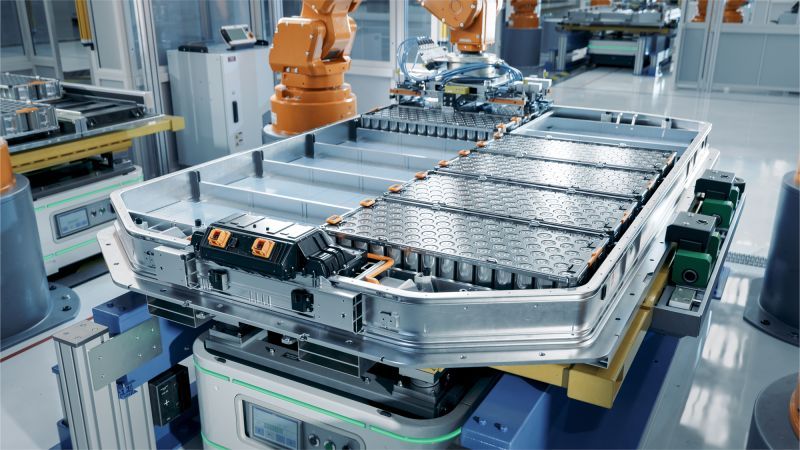
Lithium batteries are widely recognized for their high energy density, lightweight structure, and long cycle life. Because of these characteristics, they are commonly used in applications such as portable electronics, grid energy storage, and advanced transportation technologies.
The manufacturing process combines chemical engineering, materials science, and precision industrial automation. Factories use specialized environments known as dry rooms to prevent moisture from affecting sensitive lithium compounds. Production typically includes electrode preparation, cell assembly, electrolyte filling, formation cycles, and quality testing.
Several materials play a central role in lithium battery production. These include cathode materials, anode materials, electrolytes, and separators. Each component contributes to battery performance, safety, and durability.
Common lithium battery manufacturing components include:
-
Cathode Materials: Lithium cobalt oxide, lithium iron phosphate, lithium nickel manganese cobalt oxide
-
Anode Materials: Graphite or silicon-based composites
-
Electrolytes: Lithium salt solutions that allow ion transfer
-
Separators: Microporous membranes preventing short circuits
These materials must be processed carefully to maintain battery efficiency and structural stability.
Battery cell manufacturing technologies typically produce three main formats:
| Cell Format | Description | Common Applications |
|---|---|---|
| Cylindrical Cells | Round metal casing with layered electrodes | Power tools, electric vehicles |
| Prismatic Cells | Rectangular rigid casing | Automotive battery packs |
| Pouch Cells | Flexible aluminum laminate packaging | Consumer electronics |
Each format supports different energy storage requirements and device designs.
Why Lithium Battery Manufacturing Matters Today
Lithium battery manufacturing plays a critical role in modern energy systems and technological development. As global energy consumption grows, efficient battery storage solutions are becoming increasingly important for both mobility and electricity management.
One major driver behind lithium battery development is the expansion of electric mobility technologies. Electric vehicles rely on lithium battery packs to store energy and deliver power to motors. Advances in battery design help extend driving range and improve charging efficiency.
Another important area is renewable energy integration. Solar and wind power systems generate electricity intermittently, meaning energy storage solutions are needed to balance supply and demand. Lithium batteries help store excess power generated during peak production periods and release it when energy demand rises.
Industries influenced by lithium battery manufacturing include:
- Electric vehicle manufacturing
- Consumer electronics development
- Renewable energy storage systems
- Aerospace and aviation technologies
- Industrial automation equipment
The technology also supports energy transition strategies by enabling more efficient storage of electricity produced from clean sources.
From a technological perspective, lithium battery systems help address several engineering challenges:
- Managing high energy density safely
- Improving charge cycle durability
- Enhancing thermal management in battery packs
- Supporting scalable energy storage infrastructure
Battery research and manufacturing improvements continue to influence multiple sectors of the global economy.
Recent Developments in Lithium Battery Technology
Lithium battery research and manufacturing technologies continue to evolve rapidly. Recent developments have focused on improving energy density, safety characteristics, and supply chain sustainability.
One emerging trend involves advanced cathode chemistry optimization. Researchers are exploring nickel-rich cathode materials that can increase battery capacity while reducing dependence on certain raw materials.
Solid-state battery research has also gained attention. In this approach, traditional liquid electrolytes are replaced with solid electrolyte materials. Solid-state batteries are studied for their potential to improve safety and increase energy density.
Another area of development involves battery recycling technologies. As lithium batteries become more widespread, recycling processes are being developed to recover valuable materials such as lithium, nickel, and cobalt.
Manufacturing automation has also expanded significantly. Many battery production facilities now incorporate robotics and machine vision systems to ensure precise electrode coating and assembly accuracy.
Key technological trends include:
- High-energy cathode material research
- Silicon-enhanced anode materials
- Solid-state electrolyte experimentation
- Battery recycling process development
- AI-assisted battery quality monitoring
The global battery ecosystem is also exploring alternative supply chains to stabilize raw material availability. Mineral extraction, refining technologies, and battery material processing continue to evolve alongside manufacturing innovation.
Regulatory Frameworks and Policy Influence
Lithium battery manufacturing operates within a structured regulatory environment that focuses on safety, environmental protection, and responsible material sourcing.
Governments and international organizations establish guidelines related to battery transportation, disposal, and industrial manufacturing practices.
Key regulatory areas often include:
- Hazardous material handling standards
- Battery safety testing protocols
- Environmental impact regulations
- Recycling and waste management policies
- Transportation and packaging requirements
Many countries have implemented battery safety standards that require manufacturers to test products under conditions such as extreme temperature, vibration, and electrical stress.
Environmental regulations also influence battery manufacturing processes. Industrial facilities must monitor emissions, manage chemical waste responsibly, and comply with environmental protection guidelines.
Another policy area involves battery recycling initiatives. Governments encourage the recovery of lithium and other metals to reduce resource depletion and improve supply chain sustainability.
These regulatory frameworks shape how battery factories operate, how batteries are transported internationally, and how end-of-life batteries are handled responsibly.
Tools and Resources for Understanding Lithium Battery Manufacturing
A wide range of digital tools and research resources help engineers, researchers, and students explore lithium battery manufacturing technologies.
Some tools focus on battery design simulation, while others assist with performance analysis or lifecycle modeling.
Battery simulation software tools:
- Battery electrochemical modeling platforms
- Cell performance simulation systems
- Thermal management analysis software
Battery design and engineering resources:
- Electrode material property databases
- Battery pack configuration calculators
- Energy density comparison tools
Educational resources and knowledge platforms:
- Scientific publications related to electrochemical engineering
- Industrial manufacturing research papers
- Technical training programs focused on battery technology
Battery manufacturing analytics platforms:
- Production quality monitoring systems
- AI-assisted defect detection tools
- Supply chain traceability systems
Below is a simplified overview of battery manufacturing process stages
| Manufacturing Stage | Purpose |
|---|---|
| Material Preparation | Processing cathode and anode powders |
| Electrode Coating | Applying active materials onto metal foils |
| Cell Assembly | Stacking or winding electrodes |
| Electrolyte Filling | Introducing ion-conducting liquid |
| Formation Cycling | Initial charge-discharge activation |
| Quality Testing | Performance and safety verification |
These tools and frameworks help researchers and manufacturers understand battery performance characteristics and manufacturing efficiency.
Frequently Asked Questions About Lithium Battery Manufacturing
What materials are used in lithium battery manufacturing?
Lithium batteries typically include cathode materials, graphite or silicon anodes, liquid electrolytes containing lithium salts, and polymer separators that prevent electrical short circuits.
How are lithium battery cells manufactured?
The manufacturing process includes electrode preparation, coating, drying, electrode stacking or winding, electrolyte injection, formation charging cycles, and performance testing.
Why are lithium batteries widely used in energy storage systems?
Lithium batteries provide high energy density, long cycle life, and relatively lightweight structures compared with many other rechargeable battery technologies.
What challenges exist in lithium battery production?
Manufacturing challenges include thermal management, raw material supply chain stability, safety optimization, and improving battery recycling systems.
How do lithium battery recycling technologies work?
Recycling processes involve recovering valuable metals from used batteries through mechanical separation, chemical treatment, or metallurgical recovery methods.
Conclusion
Lithium battery manufacturing represents a complex combination of materials science, chemical engineering, and advanced industrial production systems. The process involves careful preparation of electrode materials, precision assembly techniques, and rigorous quality control to ensure battery performance and safety.
These batteries play an important role in modern technologies ranging from portable electronics to renewable energy storage systems. As global energy systems evolve, lithium battery innovation continues to influence transportation, infrastructure, and power management solutions.
Ongoing research focuses on improving battery chemistry, enhancing recycling systems, and optimizing manufacturing efficiency. Through continuous technological development and responsible regulation, lithium battery manufacturing remains a key area of advancement in modern energy and engineering fields.

