Discover Machine Health: Explanation, Facts, Tips, and Essential Knowledge Guide
Machine health refers to the overall condition and performance status of equipment, systems, and mechanical assets. It evaluates whether machines are operating efficiently, safely, and within their designed limits.
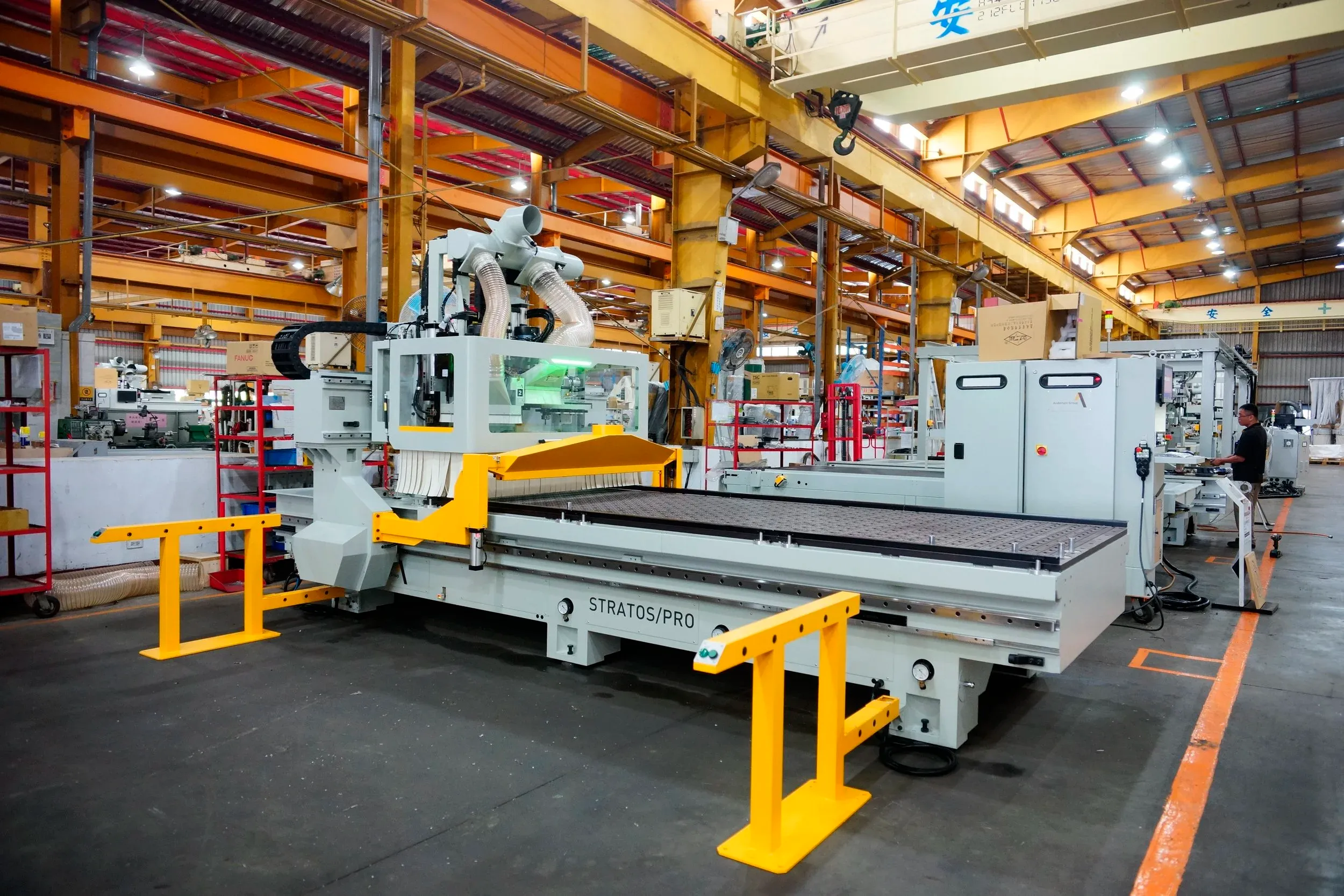
The concept developed as industries became more automated and dependent on complex equipment. Early factories relied on reactive maintenance—fixing machines only after breakdown. Over time, this approach proved inefficient and risky. Unexpected failures caused downtime, safety incidents, and production delays.
To reduce these risks, industries adopted structured maintenance strategies such as:
-
Preventive maintenance
-
Predictive maintenance
-
Condition monitoring
-
Reliability-centered maintenance
Modern machine health monitoring combines mechanical engineering principles with digital technologies like Industrial IoT (IIoT), artificial intelligence, and data analytics. Sensors measure vibration, temperature, pressure, lubrication quality, and electrical performance. The data is analyzed to detect abnormalities before failures occur.
Machine health exists to answer one key question:
Is the equipment operating as intended, and if not, how early can problems be detected?
By focusing on early detection, organizations reduce risk and improve operational efficiency without relying solely on manual inspections.
Why Machine Health Matters Today
Machine health plays a critical role in manufacturing, energy, transportation, healthcare, construction, and infrastructure. As automation increases, dependence on reliable equipment grows.
Industries that rely heavily on machine health include:
-
Manufacturing plants
-
Oil and gas facilities
-
Power generation stations
-
Aviation and transportation systems
-
Data centers
-
Hospitals with advanced medical equipment
Unplanned downtime is one of the most expensive operational challenges. Even short interruptions can disrupt supply chains and productivity. Machine health programs help solve several problems:
-
Unexpected equipment breakdown
-
Safety hazards caused by malfunction
-
Reduced production efficiency
-
Increased maintenance workload
-
Energy waste from poorly performing systems
The shift toward predictive maintenance has transformed maintenance strategies. Instead of following fixed maintenance schedules, companies use real-time condition monitoring to determine when intervention is necessary.
Below is a simplified comparison of maintenance approaches:
| Maintenance Strategy | When Action Happens | Risk Level | Efficiency Impact |
|---|---|---|---|
| Reactive Maintenance | After failure | High | Low |
| Preventive Maintenance | Scheduled intervals | Medium | Moderate |
| Predictive Maintenance | Based on real-time data | Low | High |
| Condition-Based Monitoring | Triggered by performance signals | Low | High |
Machine health also contributes to environmental sustainability. Efficient machines consume less energy and produce fewer emissions. Monitoring helps detect inefficiencies such as overheating motors or misaligned shafts, reducing energy waste.
Recent Trends and Developments
In the past year, several trends have influenced machine health and predictive maintenance strategies.
Artificial intelligence and machine learning are increasingly integrated into maintenance platforms. These systems analyze large volumes of sensor data to identify subtle patterns that human technicians might overlook.
Edge computing has also gained attention. Instead of sending all data to centralized servers, devices process data locally, enabling faster decision-making and reduced latency.
Digital twins have become more common in industrial environments. A digital twin is a virtual representation of a physical machine. It allows engineers to simulate performance, test scenarios, and predict failures before they occur.
Cybersecurity awareness has grown as well. Since machine health systems rely on connected sensors and cloud-based dashboards, protecting operational technology networks has become essential. Many organizations now integrate cybersecurity frameworks into their Industrial IoT infrastructure.
Sustainability reporting is another development. Machine health data is increasingly used to demonstrate energy efficiency improvements and reduced environmental impact in corporate reporting practices.
These advancements reflect a broader shift toward data-driven operations and smart manufacturing environments.
Laws, Regulations, and Compliance
Machine health is closely connected to safety and regulatory compliance. Governments and regulatory bodies require organizations to maintain safe working environments and reliable infrastructure.
In the United States, standards from the Occupational Safety and Health Administration emphasize workplace safety. Equipment failure that leads to injury may result in compliance investigations.
Electrical and mechanical maintenance often follows guidelines from the National Fire Protection Association, particularly standards related to electrical system inspection and preventive maintenance.
In industrial environments, international standards from the International Organization for Standardization influence maintenance and reliability practices. For example:
-
ISO 55000 series for asset management
-
ISO 17359 for condition monitoring
-
ISO 14224 for reliability and maintenance data
Energy efficiency programs at national levels also encourage equipment monitoring to reduce power consumption. Environmental regulations in many countries require reporting of emissions and energy performance, which machine health systems help support.
Organizations operating in regulated sectors such as aviation, healthcare, and energy must follow strict inspection and maintenance protocols. Machine health technologies assist in documenting compliance through automated records and audit trails.
Tools, Software, and Resources
Machine health monitoring relies on a combination of hardware tools and digital platforms. Below are commonly used categories and examples.
Sensor Technologies
-
Vibration sensors
-
Temperature sensors
-
Acoustic emission sensors
-
Oil analysis kits
-
Infrared thermography cameras
Monitoring Platforms
-
IBM Maximo
-
Siemens MindSphere
-
GE Predix
These platforms collect data, generate predictive maintenance insights, and create maintenance dashboards.
Diagnostic Techniques
-
Root cause analysis templates
-
Failure mode and effects analysis (FMEA)
-
Reliability block diagrams
-
Maintenance planning software
Basic Machine Health Indicator Chart
Below is a simplified visual representation of common machine health indicators and their relative importance in predictive maintenance programs.
Machine Health Indicators (Relative Impact)
Vibration Analysis ██████████
Temperature Monitoring ████████
Lubrication Analysis ███████
Electrical Signature ██████
Acoustic Monitoring █████
Longer bars indicate commonly prioritized indicators in industrial environments. The exact importance varies by industry and equipment type.
Training and Certification Resources
-
Reliability engineering courses
-
Condition monitoring certification programs
-
Industrial IoT technical workshops
These resources help technicians and engineers understand how to interpret data and implement predictive maintenance strategies effectively.
Frequently Asked Questions
What is the difference between predictive maintenance and preventive maintenance
Preventive maintenance follows a fixed schedule, such as servicing equipment every six months. Predictive maintenance uses real-time data and analytics to determine when maintenance is actually needed. Predictive methods aim to reduce unnecessary interventions while preventing failures.
How does vibration analysis detect machine problems
Vibration sensors measure oscillations in rotating equipment. Changes in vibration patterns can indicate imbalance, misalignment, bearing wear, or mechanical looseness. Early detection allows corrective action before major damage occurs.
Is machine health monitoring only for large factories
No. While it is common in heavy industry, smaller facilities, commercial buildings, and even renewable energy installations use machine health monitoring. The scale and complexity vary depending on operational needs.
How does machine health support energy efficiency
Machines operating under stress often consume more energy. Monitoring temperature, load, and mechanical alignment helps identify inefficiencies. Correcting these issues reduces power consumption and improves overall performance.
Does machine health improve workplace safety
Yes. Early detection of equipment faults reduces the likelihood of catastrophic failure. This lowers the risk of injury, fire, or system breakdown that could endanger personnel.
Conclusion
Machine health is a structured approach to monitoring, analyzing, and maintaining equipment performance. It combines engineering principles with digital technologies such as Industrial IoT, predictive analytics, and real-time condition monitoring.
The importance of machine health continues to grow as industries become more automated and interconnected. It supports operational efficiency, safety compliance, sustainability goals, and data-driven decision-making.
With evolving technologies like artificial intelligence and digital twins, machine health strategies are becoming more precise and proactive. At the same time, regulatory frameworks and international standards reinforce the need for reliable maintenance practices.
Understanding machine health provides organizations and individuals with essential knowledge about how modern systems operate and how risks can be managed before problems escalate. By focusing on early detection, structured monitoring, and continuous improvement, machine health remains a foundational component of industrial reliability and performance.

