Discover Plastic Bottle Manufacturing: Explore Key Basics, Insights, and Essential Knowledge
Plastic bottle manufacturing is a core part of modern packaging systems used across beverages, household products, pharmaceuticals, personal care items, and industrial sectors. This field focuses on converting raw plastic materials—most commonly PET (Polyethylene Terephthalate) and HDPE (High-Density Polyethylene)—into durable, lightweight bottles through molding techniques.
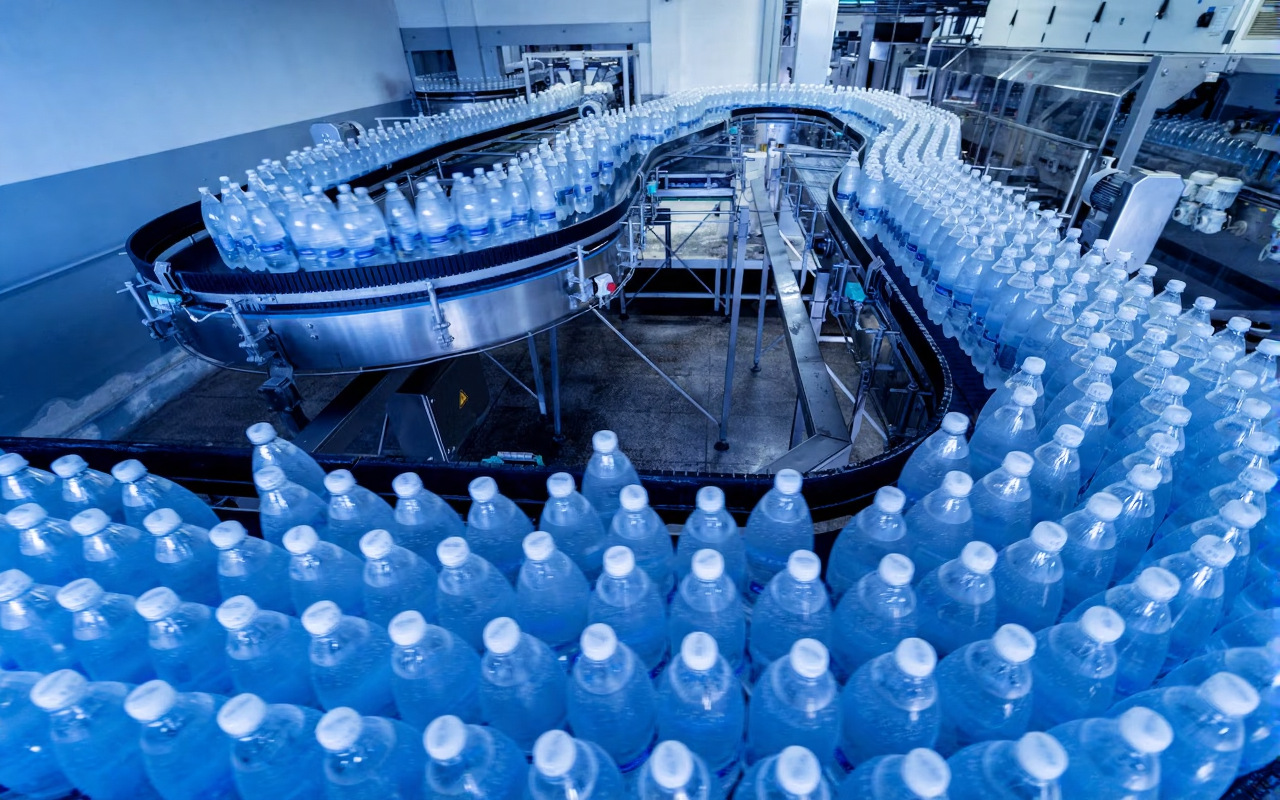
The topic exists because industries and consumers need reliable containers that maintain product safety, ensure long shelf life, and support efficient transportation. Manufacturing technologies such as injection molding, stretch blow molding, extrusion blow molding, and recycling-based production help meet these needs.
The study of plastic bottle manufacturing also extends to material science, sustainability practices, quality testing, and environmental impact. With the global shift toward sustainable packaging technology, understanding how bottles are produced and regulated has become increasingly important.
Importance
Plastic bottle manufacturing plays a significant role in today’s packaging landscape. Its importance can be viewed through several dimensions:
Wide-Scale Influence Across Industries
Plastic bottles are used in:
-
Beverage and food packaging
-
Pharmaceutical containers
-
Cosmetic and personal care packaging
-
Industrial chemicals and household products
-
Agriculture and automotive fluids
Because of this wide usage, improvements in PET bottle molding and recyclable packaging materials directly impact millions of consumers and companies.
Supports Product Safety and Hygiene
Plastic bottles protect products from contamination, leakage, and environmental exposure. This ensures:
-
Safe storage and handling
-
Long-term freshness
-
Lightweight transport
-
User-friendly dispensing
These factors make plastic bottle manufacturing essential for global supply chains.
Environmental Relevance
Environmental concerns around plastic waste have made manufacturing practices a major public discussion point. PET and HDPE are widely recyclable, and industries are shifting toward:
-
Higher recycled content
-
Energy-efficient molding
-
Lower-emission materials
-
Improved waste management systems
The push for sustainable packaging solutions has elevated the importance of understanding manufacturing methods and material choices.
Economic and Technology Impact
Plastic bottle manufacturing supports:
-
Advanced automation
-
Material innovation
-
Industrial design
-
Packaging engineering
Innovations in polymers, bio-plastics, and circular economy practices influence how industries adapt to global demands.
Recent Updates
Plastic bottle manufacturing has seen noticeable changes over the past year due to environmental priorities, policy developments, and technology improvements. Below are key updates from 2024–2025:
Shift Toward Recycled PET (rPET)
In early 2024, a significant rise in rPET usage was reported across packaging industries. Many global manufacturers increased recycled content percentages to meet new sustainability guidelines. The trend continued through 2025, with more plants integrating rPET processing lines.
Advancements in Lightweight Bottle Design
Late 2024 saw new research on thin-wall PET bottle designs that maintain strength while reducing material use. These improvements help lower environmental impact without compromising durability.
Growth in Bio-Based Plastic Research
During 2024–2025, researchers expanded experiments on bio-based PET and other renewable polymers. The aim is to reduce dependence on fossil-fuel-based plastics.
Automation and Smart Manufacturing
In 2025, more manufacturing units adopted AI-supported monitoring systems to:
-
Optimize molding temperatures
-
Reduce energy consumption
-
Improve quality consistency
These developments reflect the rising importance of industry 4.0 in packaging manufacturing.
Laws or Policies
Plastic bottle manufacturing is influenced by environmental, safety, and packaging-related regulations. Policies vary by country, but the following areas are commonly regulated:
Extended Producer Responsibility (EPR)
Many countries require producers to manage plastic waste responsibly.
EPR rules may include:
-
Mandatory recycling targets
-
Reporting obligations
-
Waste collection responsibilities
These programs encourage manufacturers to incorporate recyclable materials and optimize product design.
Recycling and Material Standards
Governments set standards for:
-
Minimum recycled content in PET bottles
-
Material safety for food-grade packaging
-
Labelling requirements for recyclability
These rules ensure safe, sustainable packaging practices.
Restrictions on Single-Use Plastics
Several regions have introduced restrictions or phasedown policies for specific single-use plastic items. Although plastic bottles are still widely accepted, these policies influence:
-
Bottle design innovation
-
Use of lighter materials
-
Adoption of refillable or recyclable alternatives
Environmental Emissions Regulations
Manufacturing plants must meet regulations covering:
-
Emission levels
-
Energy efficiency
-
Wastewater management
-
Solid waste disposal
These policies help reduce environmental impact during bottle production.
Tools and Resources
Several tools, references, and platforms support learning and analysis within the plastic bottle manufacturing field.
Technical Tools
-
Material selection calculators – choose between PET, HDPE, and other polymers
-
Bottle design software – supports shape, thickness, and mold configuration
-
Quality testing instruments – for compression, leakage, stress, and wall-thickness evaluation
Industry Standards and Databases
-
ISO standards for packaging – covers bottle strength, safety, and performance
-
** ASTM material standards** – provides testing protocols for PET, HDPE, and polymer blends
-
Polymer data sheets – detailed chemical and mechanical property information
Educational Platforms
-
Packaging engineering courses
-
Material science guides
-
Online technical manuals for blow molding processes
Sustainability Resources
-
Lifecycle assessment (LCA) tools
-
Recycling guidelines from environmental agencies
-
Databases on eco-friendly packaging innovations
These resources help individuals understand PET recycling techniques, manufacturing efficiency, and responsible packaging development.
Table: Overview of Common Bottle Materials
| Material | Key Features | Typical Uses | Recyclability |
|---|---|---|---|
| PET | Clear, lightweight, good barrier properties | Water, beverages, edible oils | Highly recyclable |
| HDPE | Opaque, strong, impact-resistant | Milk bottles, detergents, chemicals | Widely recyclable |
| PP | Heat-resistant, durable | Caps, hot-fill bottles | Recyclable in certain regions |
| Bio-PET | Plant-based origin, similar to PET | Sustainable packaging | Recyclable with PET streams |
FAQs
1. What materials are commonly used to manufacture plastic bottles?
PET and HDPE are the most widely used materials due to their strength, safety, and recyclability. Other materials like PP and bio-based plastics are also used for specific applications.
2. What is the most common manufacturing method for PET bottles?
Stretch blow molding is typically used. It shapes preforms into lightweight, durable bottles through heat and air pressure.
3. Are plastic bottles recyclable?
Yes. PET and HDPE bottles are highly recyclable. Many countries have systems that collect, sort, and reprocess bottles into new packaging materials or textile fibers.
4. What makes PET popular for beverage packaging?
PET is clear, strong, lightweight, and has excellent oxygen and moisture barrier properties. These features keep beverages fresh and safe.
5. How is sustainability improving in bottle manufacturing?
Manufacturers are increasing recycled content, reducing material usage, adopting energy-efficient equipment, and exploring bio-based plastics.
Conclusion
Plastic bottle manufacturing is a vital part of global packaging systems. It supports transportation, product protection, and consumer convenience across numerous industries. In recent years, environmental concerns and technological advancements have reshaped how bottles are designed and produced.
With the rise of sustainable packaging technology, recycled materials, and improved molding techniques, the industry is moving toward a more responsible future. Understanding the basics, regulations, recent developments, and available resources helps individuals and organizations navigate this evolving field with clarity.

