Discover PPE Kit Sealing Machines: Detailed Explanation and Packaging Insights
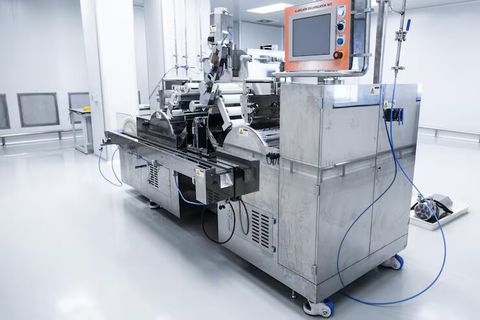
PPE kit sealing machines play an important role in the packaging of personal protective equipment used in healthcare, laboratories, and industrial environments. These machines are designed to securely seal protective items such as gowns, gloves, masks, face shields, and full PPE kits into protective packaging materials. The purpose is to maintain cleanliness, prevent contamination, and ensure safe storage and transportation..
The development of PPE kit sealing machines became more prominent during global health events, when the demand for hygienic and tamper-resistant packaging increased significantly. As PPE items are often used in sensitive environments, packaging must meet strict standards for hygiene and durability. Sealing machines help achieve these requirements by creating airtight or secure closures that protect contents from external factors like moisture, dust, and microbes.
Packaging processes can vary depending on the type of PPE and the materials used. Some machines use heat sealing, while others rely on ultrasonic or impulse sealing methods. Each method serves a specific purpose, depending on the packaging material and the level of protection required.
Importance
PPE kit sealing machines are essential for maintaining the safety and integrity of protective equipment. Improperly sealed PPE can lead to contamination, which may reduce its effectiveness and increase risks in healthcare or industrial settings. Reliable sealing ensures that PPE remains sterile until it is opened for use.
These machines are relevant to multiple sectors. Hospitals and clinics depend on sealed PPE to protect both patients and healthcare workers. Manufacturing units use them to prepare packaged kits for distribution. Emergency preparedness programs also rely on sealed PPE kits for storage and quick deployment during critical situations.
Several practical challenges are addressed through proper sealing:
- contamination control, ensuring that PPE remains clean and usable
- extended shelf life, protecting materials from environmental damage
- tamper evidence, indicating whether a package has been opened
- efficient packaging, enabling consistent sealing across large volumes
By supporting these needs, sealing machines contribute to safer working environments and improved public health practices.
Recent Updates
From 2024 to 2026, PPE kit sealing machines have seen gradual improvements in automation and efficiency. Many systems now include digital controls that allow operators to adjust temperature, pressure, and sealing time more precisely. This helps maintain consistency across different packaging batches.
Another notable trend is the integration of smart monitoring systems. These systems track performance data such as sealing temperature and cycle counts, helping operators identify potential issues early. In some setups, sensors can detect incomplete seals or material misalignment, reducing errors.
Sustainability has also influenced packaging practices. Manufacturers are exploring recyclable or biodegradable packaging materials that are compatible with sealing machines. This has led to adjustments in sealing techniques, as different materials require specific heat or pressure settings.
Compact and portable sealing machines have gained attention as well. These are useful in smaller facilities or temporary medical setups where space is limited. While they may not match the output of larger systems, they provide flexibility in various environments.
Laws or Policies
The use of PPE kit sealing machines is guided by general packaging and safety regulations, particularly in the healthcare sector. In many countries, including India, PPE packaging must meet standards defined by health authorities and regulatory bodies.
Key regulatory considerations include:
- hygiene standards, ensuring packaging processes prevent contamination
- material compliance, requiring packaging materials to be safe and suitable for medical use
- labeling requirements, including information about contents, manufacturing details, and usage instructions
- quality control, involving inspection of seals for strength and consistency
Organizations such as the Bureau of Indian Standards (BIS) and other regulatory authorities provide guidelines related to medical packaging. International standards, including ISO guidelines for sterile packaging, are also often referenced in manufacturing processes.
Compliance with these rules helps ensure that PPE remains effective and safe for use in critical environments.
Tools and Resources
Various tools and resources are used alongside PPE kit sealing machines to support efficient packaging processes. These tools help maintain accuracy, monitor performance, and ensure compliance with standards.
Common tools include:
- sealing parameter controllers, which regulate temperature and pressure settings
- inspection systems, such as visual checks or automated sensors for seal integrity
- packaging material guides, providing information on suitable materials for different sealing methods
- maintenance checklists, helping operators keep machines in proper working condition
The following table summarizes common types of sealing methods used in PPE packaging:
| Sealing Method | Description | Suitable Materials | Typical Use Case |
|---|---|---|---|
| Heat Sealing | Uses heat and pressure to bond materials | Plastic films, laminates | Standard PPE kit packaging |
| Impulse Sealing | Applies heat in short bursts | Polyethylene, polypropylene | Lightweight PPE items |
| Ultrasonic Sealing | Uses high-frequency vibrations | Nonwoven fabrics, synthetics | Medical-grade packaging |
| Vacuum Sealing | Removes air before sealing | Multi-layer films | Long-term storage of PPE kits |
Online platforms and technical manuals also provide guidance on machine operation and packaging standards. These resources help users understand how to adjust settings for different materials and packaging requirements.
FAQs
What is a PPE kit sealing machine used for?
A PPE kit sealing machine is used to securely close packaging that contains personal protective equipment. It helps protect items from contamination and ensures safe storage and transport.
How do PPE kit sealing machines maintain hygiene?
These machines create tight seals that prevent exposure to dust, moisture, and microbes. When combined with clean packaging environments, they help maintain the hygiene of PPE products.
What types of materials can be sealed using PPE kit sealing machines?
Common materials include plastic films, laminated pouches, and nonwoven fabrics. The choice of material depends on the sealing method and the level of protection required.
Are PPE kit sealing machines suitable for small-scale use?
Yes, there are compact versions designed for smaller operations. These machines are often used in clinics, small manufacturing setups, or temporary medical facilities.
What factors affect the performance of a PPE kit sealing machine?
Performance can depend on factors such as temperature settings, sealing pressure, material type, and machine maintenance. Proper calibration is important for consistent results.
Conclusion
PPE kit sealing machines are a key component in ensuring the safe packaging of protective equipment. They help maintain hygiene, extend product usability, and support efficient distribution. Advances in automation and material compatibility continue to shape how these machines are used in different environments. By following established guidelines and using appropriate tools, organizations can achieve reliable packaging outcomes.