Discover Root Canal Treatment: Overview, Explanation, Tips, and Essential Knowledge
Root canal treatment is a common dental procedure designed to treat infection or damage inside a tooth. It focuses on preserving the natural tooth while addressing inflammation or bacterial infection in the pulp, which is the soft inner tissue containing nerves and blood vessels.
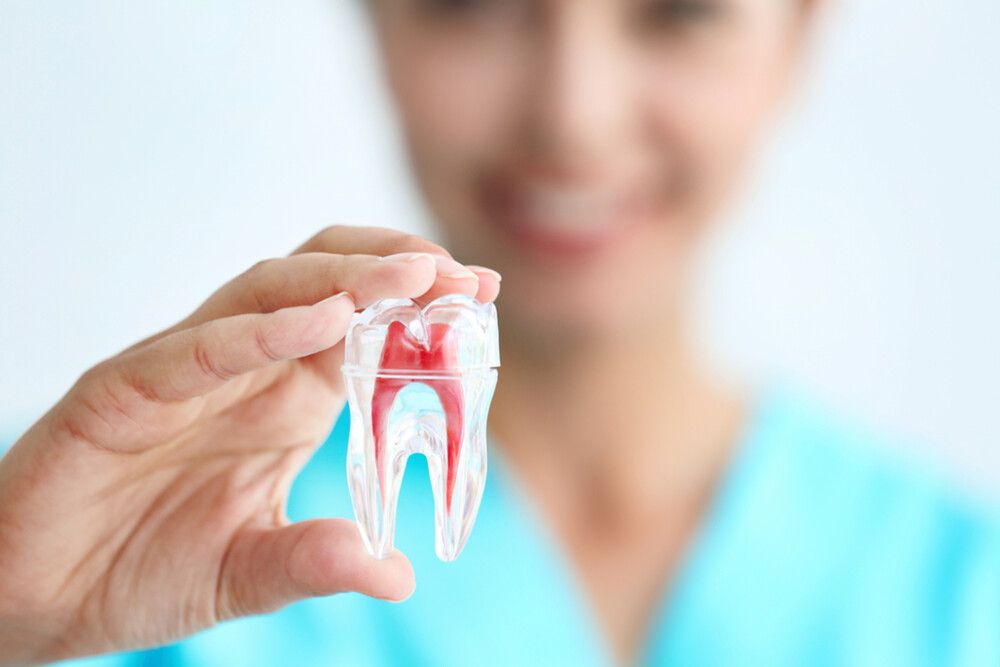
When the pulp becomes infected due to deep decay, repeated dental procedures, cracks, or trauma, it can cause significant discomfort. Without proper treatment, the infection may spread to surrounding tissues and affect overall oral health. Root canal therapy exists to remove infected tissue, clean the inside of the tooth, and seal it to prevent further complications.
The term “root canal” refers to the natural cavity inside the tooth. Modern endodontic treatment techniques are precise, structured, and supported by advanced dental technology. Today, the procedure is typically performed by a general dentist or an endodontist, a specialist in pulp and root conditions.
Why Root Canal Treatment Matters Today
Dental infections can impact more than just oral comfort. Untreated infections may lead to abscess formation, bone loss around the tooth root, and systemic health concerns. Root canal treatment helps preserve natural teeth, maintain chewing ability, and prevent further complications.
This topic matters because:
-
Tooth decay remains one of the most common chronic conditions worldwide.
-
Many adults experience dental pain linked to pulp infection.
-
Preserving natural teeth supports long-term oral function and alignment.
-
Preventing extraction can reduce the need for complex restorative procedures.
People of all ages can be affected, but individuals with untreated cavities, cracked teeth, or previous dental trauma are at higher risk. Early diagnosis through routine dental exams and digital imaging plays a crucial role in effective treatment.
Below is a simplified comparison of outcomes when infection is treated versus untreated:
| Condition | Treated with Root Canal | Left Untreated |
|---|---|---|
| Tooth Pain | Usually resolves after healing | Often worsens |
| Infection Spread | Controlled | May extend to jawbone |
| Tooth Structure | Preserved | Risk of loss |
| Chewing Function | Maintained | Impaired |
By addressing infection early, root canal treatment protects both oral health and overall well-being.
Understanding the Procedure
Root canal therapy generally involves the following steps:
-
Local anesthesia to numb the area
-
Isolation of the tooth
-
Removal of infected pulp
-
Cleaning and shaping of the root canals
-
Filling with a biocompatible material
-
Sealing and restoration with a crown or filling
Advances in dental imaging, rotary instruments, and magnification tools have improved precision and patient comfort. Many patients report that modern root canal procedures feel similar to receiving a standard dental filling.
A simplified overview of the process:
| Step | Purpose |
|---|---|
| Diagnosis | Identify pulp infection |
| Access Opening | Reach inner pulp chamber |
| Cleaning | Remove infected tissue |
| Shaping | Prepare canal for sealing |
| Filling & Sealing | Prevent reinfection |
| Final Restoration | Restore strength and function |
Recent Updates and Trends in Endodontic Care
Dental technology continues to evolve, improving the efficiency and predictability of root canal therapy.
Recent developments include:
-
Increased use of digital 3D imaging for more accurate diagnosis
-
Enhanced rotary instruments that reduce treatment time
-
Bioceramic sealers that improve long-term sealing performance
-
Greater awareness campaigns promoting early dental evaluation
Many dental associations have highlighted the importance of early detection and minimally invasive endodontics. Educational initiatives emphasize preventive care and timely treatment to avoid complications.
Public health discussions have also focused on integrating oral health into broader healthcare conversations, recognizing the link between dental infections and systemic health.
Laws and Policies Affecting Root Canal Treatment
Root canal procedures are regulated under national and regional healthcare laws to ensure patient safety and professional standards.
In countries like India, dental care is regulated by the Dental Council of India (DCI). Dentists must meet licensing requirements and adhere to established clinical guidelines. Infection control protocols, sterilization standards, and patient consent policies are strictly monitored.
Key regulatory elements include:
-
Professional licensing requirements
-
Mandatory sterilization and infection control procedures
-
Use of approved dental materials
-
Ethical advertising and patient communication standards
-
Continuing education requirements for dental practitioners
Government health initiatives often include oral health awareness programs aimed at preventing decay and promoting regular dental checkups.
Insurance frameworks and public healthcare policies may also influence access to endodontic treatment, depending on coverage rules and eligibility guidelines.
Tools and Resources for Dental Health Awareness
Several tools and educational resources support understanding of root canal treatment and oral health management.
Helpful resources include:
-
Dental health tracking apps for appointment reminders
-
Online symptom checkers for preliminary guidance
-
Oral hygiene instructional videos from recognized dental associations
-
Digital dental imaging technologies used in clinics
-
Preventive care calculators that estimate cavity risk
In clinical settings, dentists rely on:
-
Apex locators to measure root length
-
Digital radiography for accurate imaging
-
Rotary endodontic systems
-
Ultrasonic cleaning instruments
-
Biocompatible filling materials
Patients can support treatment success by maintaining:
-
Regular brushing with fluoride toothpaste
-
Daily flossing
-
Periodic professional dental examinations
-
Balanced nutrition to reduce decay risk
Below is a simple visual comparison of common dental symptoms that may require evaluation:
| Symptom | Possible Cause |
|---|---|
| Persistent toothache | Pulp inflammation |
| Sensitivity to heat/cold | Nerve irritation |
| Swelling in gums | Infection |
| Darkened tooth color | Internal damage |
| Pain while chewing | Root involvement |
Early dental consultation improves outcomes and reduces the risk of complications.
Frequently Asked Questions
What is the main goal of root canal treatment?
The primary goal is to remove infected pulp tissue, eliminate bacteria, and preserve the natural tooth while preventing further infection.
Is root canal treatment painful?
Modern procedures use local anesthesia, and most patients experience minimal discomfort during treatment. Mild soreness afterward is common and usually temporary.
How long does a treated tooth last?
With proper restoration and good oral hygiene, a tooth that has undergone root canal therapy can function for many years.
Can infection return after treatment?
Reinfection is uncommon but possible if the seal fails or if new decay develops. Regular dental checkups help monitor treated teeth.
Do all infected teeth require extraction?
Not necessarily. Root canal treatment is specifically designed to save teeth that would otherwise need removal.
Additional Insights on Oral Health Preservation
Preserving natural teeth has long-term benefits beyond aesthetics. It supports:
-
Proper alignment of surrounding teeth
-
Natural chewing mechanics
-
Jawbone stability
-
Balanced bite distribution
Extraction can sometimes lead to shifting teeth or changes in chewing function. Root canal therapy provides a conservative alternative focused on retention rather than replacement.
Preventive strategies remain essential:
-
Limiting sugary foods and beverages
-
Addressing cavities early
-
Using protective mouthguards during sports
-
Avoiding habits that damage teeth
Dental education emphasizes that oral health is closely linked to overall health. Infections in the mouth may affect systemic conditions if left untreated.
Conclusion
Root canal treatment is a structured and scientifically guided procedure aimed at preserving natural teeth affected by infection or inflammation. It addresses pain, prevents the spread of bacteria, and maintains oral function.
Modern dental technologies have improved precision and comfort, making the procedure widely accessible and reliable when performed by qualified professionals. Regulatory standards ensure patient safety and ethical practice, while educational resources empower individuals to make informed decisions about their oral health.
Understanding the context, importance, regulations, and tools associated with root canal therapy allows patients to approach treatment with clarity and confidence. Preventive care, early diagnosis, and adherence to professional guidance remain key factors in maintaining long-term dental health.
Disclaimer: The information provided in this article is for informational purposes only. We do not make any claims or guarantees regarding the accuracy, reliability, or completeness of the information presented. The content is not intended as professional advice and should not be relied upon as such. Readers are encouraged to conduct their own research and consult with appropriate professionals before making any decisions based on the information provided in this article

