Discover Sheet Metal Bending Machines: Basics, Mechanisms, Tools, and Operational Insights
Sheet metal bending machines are industrial tools designed to shape flat metal sheets into specific angles and forms. These machines apply controlled force to metal, allowing it to bend without breaking. They are commonly used in manufacturing environments that produce components for construction, automotive systems, appliances, aerospace assemblies, and electrical enclosures.
Metal bending exists because modern products require precise shapes and durable materials. Flat sheets alone cannot meet structural or design requirements. By bending sheet metal accurately, manufacturers create brackets, frames, panels, cabinets, ducts, and structural parts with consistent dimensions.
The most widely used equipment in this field includes press brakes, panel benders, folding machines, and hydraulic bending machines. Advanced CNC press brake systems use computer numerical control to achieve high precision and repeatability. These systems integrate automation technology, industrial machinery components, and mechanical engineering principles to ensure efficiency.
Below is a simplified comparison of common sheet metal bending machines:
| Machine Type | Control Type | Typical Use Case | Precision Level |
|---|---|---|---|
| Mechanical Press Brake | Manual/Mechanical | Basic fabrication | Moderate |
| Hydraulic Press Brake | Hydraulic Control | Heavy-duty bending | High |
| CNC Press Brake | Computer-Controlled | Complex and repetitive operations | Very High |
| Panel Bender | Automated System | Large panels and enclosure systems | Very High |
Modern fabrication facilities often combine CAD design software with CNC machining systems to streamline production.
Why Sheet Metal Bending Machines Matter Today
Sheet metal bending technology plays a critical role in multiple industries. As infrastructure projects expand and manufacturing demands increase, precision metal fabrication has become more important than ever.
These machines support:
- Automotive component production
- Electrical control panels
- HVAC duct systems
- Renewable energy structures
- Industrial machinery frames
Precision sheet metal fabrication helps reduce material waste, improve structural strength, and maintain consistent quality standards. With the rise of smart manufacturing and Industry 4.0 systems, bending machines are increasingly integrated with automation equipment and digital monitoring systems.
The problems they help solve include:
- Inconsistent manual shaping
- Structural weakness from improper angles
- Production delays caused by rework
- Material wastage due to inaccurate bending
CNC press brake systems and hydraulic press brake technology improve accuracy and allow for programmable repeatability. This is especially important for large-scale production and complex geometries.
Industries that depend heavily on these machines include construction engineering, aerospace manufacturing, industrial equipment production, and energy infrastructure development.
Recent Updates and Trends in Sheet Metal Bending Technology
Over the past year, sheet metal fabrication equipment has seen several technological advancements. The industry continues to focus on automation, energy efficiency, and digital integration.
Key trends include:
- Increased use of servo-electric press brakes for improved energy efficiency
- Integration of IoT sensors for real-time machine monitoring
- Enhanced CNC control systems with user-friendly touch interfaces
- Growth in robotic bending automation
- Improved metal forming simulation software
Manufacturers are emphasizing predictive maintenance using industrial IoT platforms. These systems analyze vibration, temperature, and hydraulic pressure data to reduce downtime.
Another important development is the adoption of advanced safety systems. Modern machines now include light curtain safety systems and automated back gauge positioning to reduce workplace risks.
There has also been growing attention toward sustainable manufacturing. Energy-efficient hydraulic systems and servo-driven machines consume less electricity compared to older mechanical systems.
The demand for customized metal fabrication solutions has also influenced machine design. Flexible tooling systems now allow operators to switch between bending profiles with minimal downtime.
Laws and Regulations Affecting Sheet Metal Bending Machines
Sheet metal bending machines are regulated under workplace safety, environmental, and machinery operation standards. Regulations vary by country but generally focus on worker safety and environmental compliance.
In India, manufacturing facilities must comply with:
- The Factories Act, which outlines workplace safety requirements
- Occupational Safety and Health standards
- Environmental compliance regulations for industrial operations
Machine operators must follow safety guidelines that include:
- Proper guarding systems
- Emergency stop mechanisms
- Routine inspection and maintenance checks
- Training on CNC machine operation
Many countries require compliance with ISO manufacturing standards such as ISO 9001 for quality management and ISO 45001 for occupational health and safety.
Environmental policies also impact fabrication processes. Waste metal recycling programs and industrial emissions regulations encourage responsible material usage and waste management.
Manufacturers must ensure hydraulic systems meet environmental fluid disposal guidelines. Noise control regulations may also apply in certain industrial zones.
Tools and Resources for Sheet Metal Bending
Effective operation of sheet metal bending machines depends on proper tools and digital resources. These tools improve accuracy, safety, and operational efficiency.
Common tools used in metal bending include:
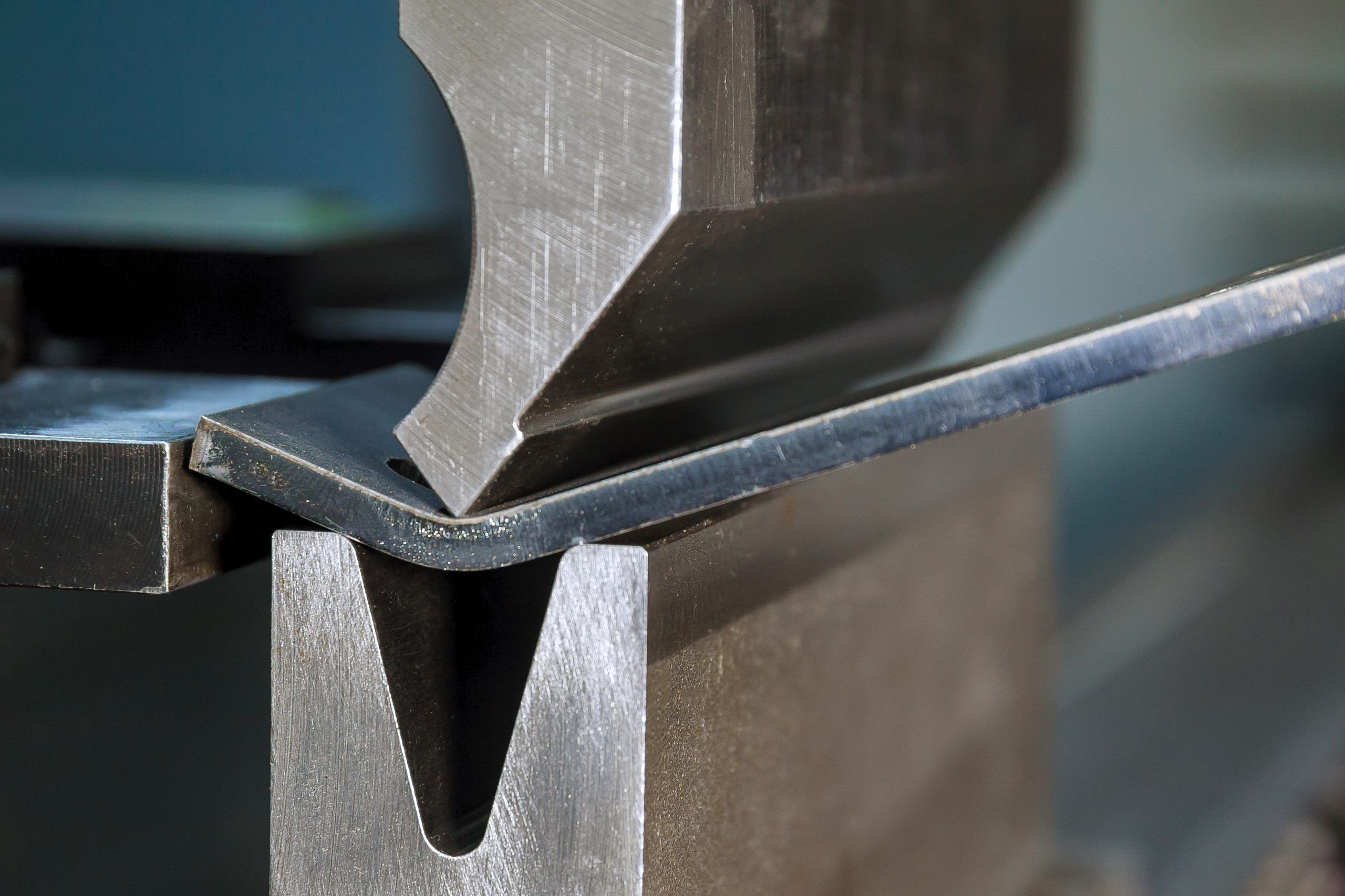
- Press brake tooling (punches and dies)
- Back gauge systems
- Angle measurement gauges
- Hydraulic pressure monitoring systems
- Sheet metal thickness gauges
Digital tools and software platforms support precision bending:
- CAD software for sheet metal design
- CAM software for CNC programming
- Bend allowance calculators
- Metal forming simulation software
- Production planning software
Factors Influencing Bend Accuracy
| Factor | Impact on Bending Quality |
|---|---|
| Material Thickness | Affects bend radius |
| Material Type | Influences springback |
| Tooling Selection | Determines angle precision |
| Machine Calibration | Ensures consistency |
| Operator Training | Reduces human error |
Bend allowance calculators are particularly useful in determining how much material is required before bending. They account for material thickness, bend radius, and angle.
Industrial training manuals and equipment documentation also serve as valuable educational resources for machine operators and manufacturing engineers.
Frequently Asked Questions
What is the difference between a hydraulic press brake and a mechanical press brake?
A hydraulic press brake uses hydraulic cylinders to apply bending force, allowing better control and higher precision. A mechanical press brake relies on mechanical flywheel systems and is generally suited for simpler tasks.
How does CNC technology improve sheet metal bending?
CNC technology allows programmable control of bending angles, back gauge positioning, and force application. This reduces errors, improves repeatability, and supports complex bending sequences.
What materials can be bent using sheet metal bending machines?
Common materials include stainless steel, aluminum, carbon steel, copper, and brass. The choice depends on machine capacity and tooling configuration.
What is springback in metal bending?
Springback refers to the tendency of metal to partially return to its original shape after bending. Operators compensate for this by adjusting bend angles during programming.
Are safety measures important when operating bending machines?
Yes. Safety systems such as light curtains, emergency stop buttons, and protective guards are essential. Operator training and routine inspection further reduce workplace risks.
Conclusion
Sheet metal bending machines are essential tools in modern manufacturing. They transform flat metal sheets into precise shapes used across industries such as automotive, construction, aerospace, and energy.
Advancements in CNC press brake systems, automation technology, and industrial IoT integration have improved precision, efficiency, and safety. Regulatory frameworks ensure that manufacturing operations follow workplace safety and environmental guidelines.
By understanding machine types, operational mechanisms, tooling requirements, and compliance standards, manufacturers can improve productivity and maintain consistent quality in metal fabrication processes.
Sheet metal bending technology continues to evolve alongside smart manufacturing systems, reinforcing its importance in industrial production and infrastructure development.