Discover Smart Home Technology Overview: Explanation, Details, and Insights
Smart home technology refers to connected devices and systems within a home that communicate digitally to automate tasks, monitor conditions, and improve everyday living. These systems commonly rely on home automation platforms, sensors, wireless connectivity, and data-driven controls to manage lighting, climate, security, appliances, and entertainment.
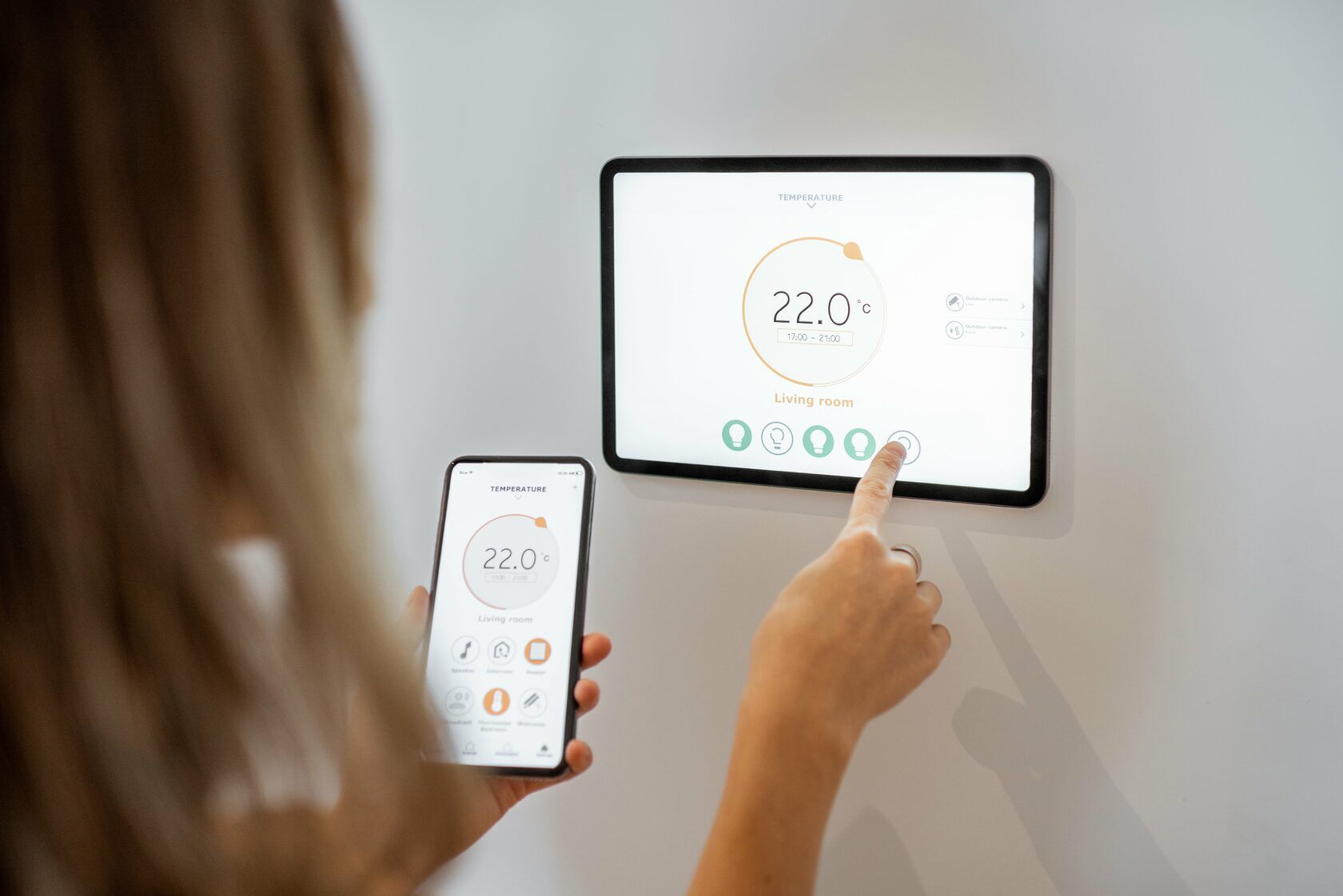
The concept exists because modern households face growing complexity. Homes contain many electrical and digital systems that traditionally operate independently. Smart home automation integrates these elements into a unified environment that can be controlled locally or remotely. This integration helps users manage energy usage, safety, and comfort more efficiently.
At its foundation, smart home technology is part of the broader Internet of Things ecosystem. Devices collect data, exchange information, and respond to user-defined rules. The aim is not to replace human decision-making but to simplify routine actions and provide better visibility into how a home functions on a daily basis.
Importance: Why Smart Home Technology Matters Today
Smart home technology matters because it addresses practical challenges faced by households across different lifestyles and age groups. As homes become more connected, the demand for intelligent control, digital security, and energy management continues to rise.
Key reasons this topic is important include:
-
Energy efficiency and monitoring
Smart thermostats, lighting controls, and power monitoring systems help track electricity consumption and reduce waste. -
Home security and safety
Smart locks, cameras, motion sensors, and smoke detection systems provide real-time alerts and remote monitoring. -
Convenience and accessibility
Voice control and automation routines support hands-free operation, which is especially helpful for elderly residents and people with mobility limitations. -
Data-driven decision-making
Usage insights allow households to understand patterns, detect issues early, and plan improvements.
This technology affects homeowners, renters, property managers, and urban planners. It solves problems related to rising energy demand, safety awareness, and the need for adaptable living spaces in modern cities.
Recent Updates: Trends and Developments in Smart Home Technology
Recent developments in smart home technology focus on standardization, privacy, and interoperability. Device manufacturers and platform providers have been aligning toward common communication standards that allow products from different brands to work together more smoothly.
Notable trends include:
-
Unified device standards
Cross-platform compatibility has improved, reducing fragmentation across ecosystems such as those associated with Google Nest, Amazon Alexa, and Apple HomeKit. -
Increased focus on data privacy
New device settings and dashboards emphasize user control over data collection, storage, and permissions. -
Edge computing adoption
More processing is handled locally within devices, reducing reliance on cloud connectivity and improving response time. -
Energy intelligence features
Advanced analytics now provide appliance-level insights and automated adjustments based on household behavior.
These updates reflect a shift from novelty-driven gadgets toward practical, reliable smart home systems designed for long-term use.
Laws or Policies: Regulatory and Governance Considerations
Smart home technology operates within a framework of digital governance, consumer protection, and data security policies. Regulations influence how devices collect information, communicate with servers, and store user data.
Common regulatory themes include:
-
Data protection and privacy rules
Policies require transparent data handling practices and user consent for personal information. -
Electrical and communication standards
Smart devices must comply with safety certifications and wireless communication guidelines. -
Energy efficiency programs
Government initiatives often promote smart meters and energy monitoring systems as part of sustainability strategies. -
Cybersecurity guidelines
Recommendations encourage manufacturers to implement secure authentication, regular updates, and vulnerability management.
These policies help ensure that smart home ecosystems remain safe, reliable, and aligned with public interest objectives.
Tools and Resources: Helpful Platforms and Learning Aids
Several tools and resources support understanding and managing smart home technology. These are designed to improve visibility, planning, and system optimization.
Helpful categories include:
-
Home automation dashboards
Centralized interfaces for monitoring devices, routines, and usage data. -
Energy consumption calculators
Tools that estimate electricity patterns based on connected appliance data. -
Device compatibility checkers
Resources that help users understand which products work within specific ecosystems. -
Security configuration guides
Step-by-step references for setting strong authentication and network protection. -
Simulation templates
Visual planners that map device placement and automation flows.
Example overview table of common smart home components:
| Category | Purpose | Typical Data Used |
|---|---|---|
| Smart Lighting | Automated illumination | Motion, schedules |
| Climate Control | Temperature regulation | Sensors, weather |
| Security Systems | Monitoring and alerts | Video, motion |
| Energy Monitoring | Usage insights | Power metrics |
FAQs: Common Questions About Smart Home Technology
What is the difference between a smart home and home automation?
A smart home includes connected devices that can be monitored or controlled digitally. Home automation refers specifically to predefined rules and routines that allow devices to operate automatically without manual input.
Is smart home technology dependent on constant internet access?
Many systems use internet connectivity for remote control and updates, but newer devices support local operation for essential functions.
How does smart home technology improve energy management?
It tracks usage patterns, identifies inefficiencies, and enables automated adjustments that reduce unnecessary consumption.
Are smart homes secure from cyber risks?
Security depends on proper configuration, regular updates, and strong authentication. Modern systems emphasize encrypted communication and local processing.
Can smart home devices work together across brands?
Interoperability has improved through shared standards, allowing devices from different manufacturers to communicate more effectively.
Conclusion: Understanding the Role of Smart Home Technology
Smart home technology represents a practical evolution of residential living. By connecting systems through digital intelligence, it helps households manage energy, safety, and comfort with greater clarity and control. The ongoing focus on interoperability, privacy, and efficiency shows that this field is moving toward maturity rather than experimentation.

