Discover Smart Traffic Monitoring Systems: Facts, Details, and Key Concepts
Smart traffic monitoring systems are technology-driven solutions designed to observe, analyze, and manage traffic flow in real time. They combine sensors, cameras, data analytics, and communication networks to collect continuous information about vehicles, roads, and intersections. The core idea behind these systems is to move beyond manual traffic control and static signals toward data-informed decision-making.
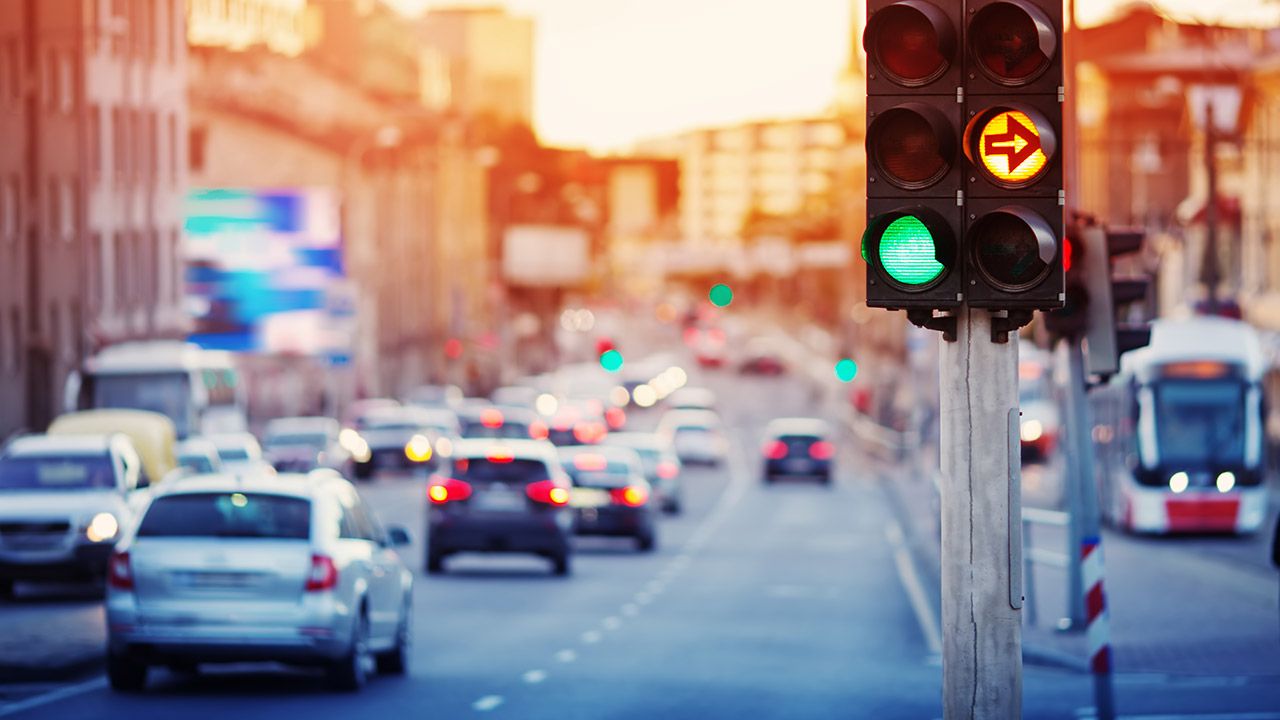 These systems exist because traditional traffic management methods struggle to keep up with rapid urban growth, rising vehicle ownership, and complex road networks. By using automated monitoring and intelligent analysis, cities aim to understand traffic behavior more clearly and respond more efficiently to congestion, incidents, and changing travel patterns.
At a basic level, smart traffic monitoring systems act as the “eyes and brain” of modern traffic management technology, converting raw road activity into structured, actionable information.
Importance: Why Smart Traffic Monitoring Matters Today
Traffic congestion, road safety concerns, and environmental impacts are growing challenges in many regions. Smart traffic monitoring systems matter because they address these issues simultaneously through informed oversight.
Key reasons these systems are important include:
-
Improved traffic flow: Real-time data helps optimize signal timings and reduce bottlenecks.
-
Enhanced road safety: Continuous monitoring supports faster detection of accidents and risky behavior.
-
Better urban planning: Long-term traffic data informs infrastructure planning and policy decisions.
-
Environmental benefits: Smoother traffic flow can reduce idle time and emissions.
-
Public convenience: More predictable travel times improve daily commuting experiences.
These systems affect a wide range of stakeholders, including daily commuters, pedestrians, cyclists, public transport users, city planners, and traffic enforcement authorities. By solving visibility gaps in traffic conditions, smart monitoring helps cities manage roads more proactively rather than reactively.
Recent Updates: Trends and Developments in Smart Traffic Monitoring
Recent developments in smart traffic monitoring systems focus on intelligence, integration, and scalability. Advances in artificial intelligence and machine learning have improved the accuracy of vehicle detection, traffic density estimation, and incident recognition.
Notable trends observed in recent months include:
-
AI-powered video analytics: Cameras now analyze patterns such as queue length, lane usage, and abnormal behavior.
-
Integration with smart city platforms: Traffic data is increasingly shared with emergency response and urban planning systems.
-
Edge computing adoption: Data processing closer to the source reduces latency and improves response times.
-
Multimodal traffic analysis: Systems now consider pedestrians, cyclists, and public transport alongside private vehicles.
Another important update is the growing use of cloud-based dashboards that allow traffic authorities to visualize data through maps, charts, and predictive indicators. These developments reflect a shift from isolated monitoring tools to connected, city-wide traffic management technology ecosystems.
Laws and Policies: Regulatory Influence on Traffic Monitoring
Smart traffic monitoring systems operate within a framework of transportation, data protection, and urban development policies. In India, road traffic oversight is guided by national and state-level regulations focused on safety, efficiency, and digital governance.
Relevant policy influences include:
-
Guidelines issued by Ministry of Road Transport and Highways for traffic safety and intelligent transport systems.
-
Smart city initiatives that encourage the use of data-driven traffic management solutions.
-
Data protection rules that govern how traffic images and vehicle information are collected, stored, and processed.
-
Municipal traffic regulations defining enforcement, surveillance boundaries, and operational responsibilities.
These policies shape how monitoring systems are designed and deployed, ensuring that technology adoption aligns with legal, ethical, and public-interest considerations.
Tools and Resources: Common Components and Support Systems
Smart traffic monitoring systems rely on a combination of hardware, software, and analytical resources. Understanding these tools helps clarify how traffic data is collected and used.
Core monitoring components:
-
Traffic cameras with video analytics capability
-
Inductive loop detectors and radar sensors
-
Automatic number plate recognition modules
-
Environmental and speed sensors
Data and analysis resources:
-
Traffic analytics dashboards
-
Predictive congestion modeling tools
-
Incident detection and alert systems
-
Historical traffic data repositories
Supporting platforms:
-
Urban traffic control centers
-
Smart city data integration platforms
-
Geographic information system mapping tools
Below is a simplified table showing how common tools support traffic management objectives:
| Tool Type | Primary Function | Output Information |
|---|---|---|
| Video Sensors | Visual traffic capture | Vehicle count, lane usage |
| Speed Detectors | Measure movement | Average speed, violations |
| Analytics Software | Data interpretation | Congestion patterns |
| Control Dashboards | Visualization | Real-time traffic status |
These resources work together to transform raw observations into meaningful insights for traffic planning and daily operations.
Frequently Asked Questions About Smart Traffic Monitoring
What is the main purpose of smart traffic monitoring systems?
The main purpose is to observe and analyze traffic conditions in real time so authorities can manage flow, improve safety, and plan infrastructure more effectively.
How do these systems collect traffic data?
They use a combination of cameras, sensors, and detection devices installed on roads and intersections to continuously gather information about vehicle movement and density.
Are smart traffic monitoring systems limited to large cities?
No. While commonly used in urban areas, these systems can also be adapted for highways, smaller towns, and special zones such as industrial or campus areas.
Do these systems replace human traffic management?
They do not replace human oversight. Instead, they support decision-makers by providing accurate, timely data that improves manual and automated responses.
How does traffic monitoring support long-term planning?
By analyzing historical trends, authorities can identify recurring congestion points and evaluate the impact of infrastructure changes over time.
Conclusion: Key Takeaways on Smart Traffic Monitoring Systems
Smart traffic monitoring systems represent a foundational element of modern traffic management technology. By combining real-time observation with intelligent analysis, they help cities respond to congestion, enhance safety, and plan more sustainable transport networks.
Their value lies not only in day-to-day traffic control but also in the long-term insights they generate. As urban mobility becomes more complex, the role of accurate, data-driven traffic monitoring continues to grow. Understanding the concepts, tools, and policy context behind these systems helps clarify how technology supports safer and more efficient roads for everyone.