Discover Smart Water Sensors: Guide to Technology, Data, and Use Cases
Smart water sensors are digital devices designed to monitor water-related parameters such as flow, pressure, temperature, quality, and leakage. These systems exist to provide accurate, real-time water data that traditional manual monitoring methods cannot reliably deliver. As water systems become more complex and demand for efficiency increases, smart water sensors help transform raw water usage into structured, actionable information.
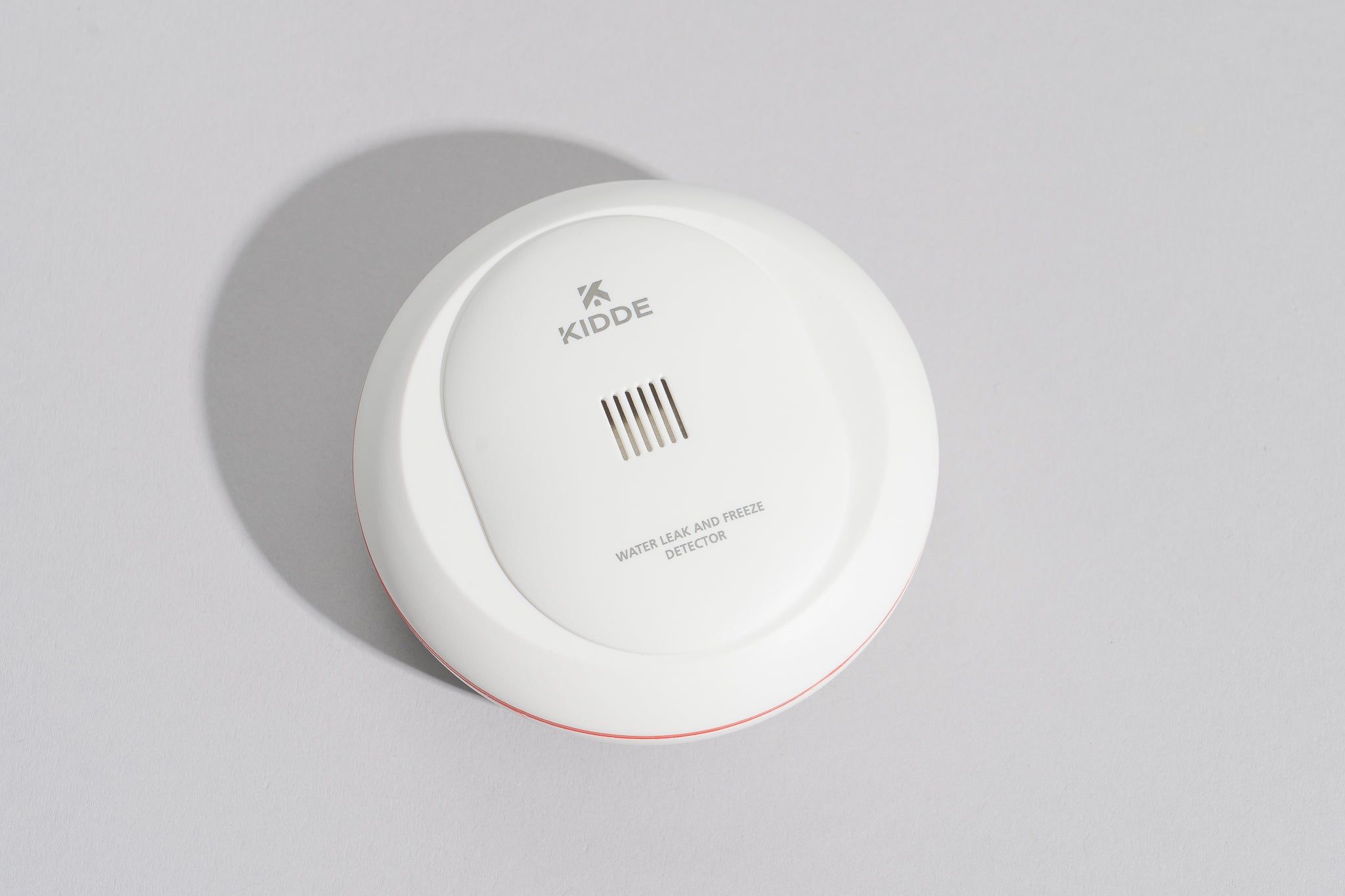 These sensors are commonly installed in pipelines, tanks, buildings, agricultural fields, and municipal infrastructure. By combining sensing hardware with data analytics and connectivity, they allow continuous tracking of water conditions without constant human intervention. The core purpose of smart water sensors is to reduce uncertainty, improve visibility, and support data-driven water management.
At a basic level, smart water sensors operate by detecting physical or chemical changes in water systems and converting them into digital signals. These signals are then transmitted to software platforms for analysis, storage, and visualization. This approach supports both small-scale users, such as households and farms, and large-scale users, including cities and industrial facilities.
Importance: Why Smart Water Sensors Matter Today
Water scarcity, infrastructure aging, and rising operational risks have made efficient water monitoring increasingly important. Smart water sensors address these challenges by enabling early detection of issues and more responsible water usage.
Key groups affected include:
-
Urban households managing daily water consumption
-
Municipal authorities overseeing large distribution networks
-
Industrial facilities requiring consistent water quality
-
Agricultural operations optimizing irrigation efficiency
-
Environmental agencies monitoring natural water bodies
Smart water sensors help solve several persistent problems:
-
Undetected leaks that lead to water loss and infrastructure damage
-
Inaccurate water usage data that affects planning and billing
-
Delayed response to contamination or pressure anomalies
-
High operational risk due to limited system visibility
By providing continuous and precise data, smart water sensors support sustainability goals, risk reduction, and long-term water resource planning. Their role is especially critical in regions facing population growth and climate variability, where every unit of water matters.
Recent Updates: Trends and Developments in Smart Water Sensors
Recent developments in smart water sensor technology focus on improved accuracy, connectivity, and data intelligence. Sensor miniaturization has advanced, allowing deployment in tighter spaces without disrupting existing systems. Power efficiency has also improved, enabling longer device lifespans and reduced maintenance needs.
Data analytics capabilities have expanded, with more platforms using predictive models to identify abnormal patterns such as micro-leakage or pressure fluctuations. Edge computing is increasingly used to process data locally, reducing latency and bandwidth requirements.
Interoperability has become a notable trend. Newer systems are designed to integrate with existing water management software and smart city platforms. This allows different departments and stakeholders to access consistent datasets without duplication.
Cybersecurity has also gained attention, with updated device authentication methods and encrypted data transmission becoming standard features. These changes aim to protect sensitive infrastructure data from unauthorized access.
Laws or Policies: Regulatory Influence on Smart Water Monitoring
Water management policies and regulatory frameworks strongly influence the adoption of smart water sensors. Many national and regional authorities emphasize accurate water measurement, loss reduction, and transparency in reporting.
Common regulatory drivers include:
-
Mandatory water usage reporting for utilities and industries
-
Non-revenue water reduction targets set by authorities
-
Quality monitoring standards for drinking water
-
Agricultural water allocation and compliance requirements
Government-supported programs often encourage the use of digital monitoring technologies to improve accountability and efficiency. In some regions, smart metering and sensor-based monitoring are recognized as tools for meeting sustainability and conservation objectives.
Data governance rules also play a role. Regulations related to data privacy, infrastructure security, and system interoperability affect how sensor data is collected, stored, and shared. Compliance with these frameworks ensures that smart water sensor deployments align with public policy goals and technical standards.
Tools and Resources: Supporting Smart Water Sensor Use
Several tools and resources support the effective use of smart water sensors across different applications. These resources focus on data interpretation, system planning, and operational decision-making.
Common categories include:
-
Water data analytics dashboards for visualization and reporting
-
Leak detection algorithms based on flow and pressure data
-
Water balance calculators for distribution systems
-
Quality monitoring frameworks for chemical and physical parameters
-
Simulation models for demand forecasting and infrastructure planning
Example overview of smart water sensor data outputs
| Parameter Monitored | Data Frequency | Primary Use Case |
|---|---|---|
| Flow rate | Continuous | Leak detection and demand analysis |
| Pressure | Real-time | Network stability and burst prevention |
| Water quality | Interval-based | Safety and compliance monitoring |
| Temperature | Periodic | Industrial and environmental analysis |
These tools help translate sensor readings into insights that support operational efficiency and regulatory compliance.
FAQs: Common Questions About Smart Water Sensors
What is the main function of a smart water sensor?
A smart water sensor measures water-related parameters and converts them into digital data for monitoring, analysis, and decision-making.
Where are smart water sensors commonly installed?
They are used in pipelines, water tanks, buildings, irrigation systems, industrial facilities, and municipal distribution networks.
How do smart water sensors detect leaks?
Leaks are identified by analyzing abnormal changes in flow, pressure, or usage patterns compared to baseline data.
Are smart water sensors suitable for large-scale systems?
Yes. They are widely used in city-wide networks and industrial environments due to their scalability and data integration capabilities.
What type of data do smart water sensors generate?
They produce structured datasets related to flow, pressure, quality, temperature, and usage trends.
Conclusion: The Role of Smart Water Sensors in Modern Water Management
Smart water sensors represent a significant shift in how water systems are monitored and managed. By providing continuous, accurate, and actionable data, these technologies support better decision-making across domestic, agricultural, industrial, and municipal contexts.
Their value lies not only in detecting problems but also in preventing them through early insight and predictive analysis. As regulatory expectations, environmental pressures, and infrastructure complexity increase, smart water sensors offer a practical foundation for responsible and efficient water management.
Understanding how these systems work, why they matter, and how they are supported by policy and tools enables stakeholders to engage more effectively with modern water monitoring strategies.