Discover Solo Female Travel Basics: Safety Tips, Cultural Awareness, and Key Information
Solo female travel refers to women exploring destinations independently, without companions. This form of travel exists because more women today seek personal growth, cultural exposure, and flexibility in planning their journeys. Increased global connectivity, access to information, and improved transportation options have made independent travel more accessible. At the same time, safety awareness and cultural sensitivity have become essential foundations, as women may experience destinations differently based on social norms, local laws, and public attitudes.
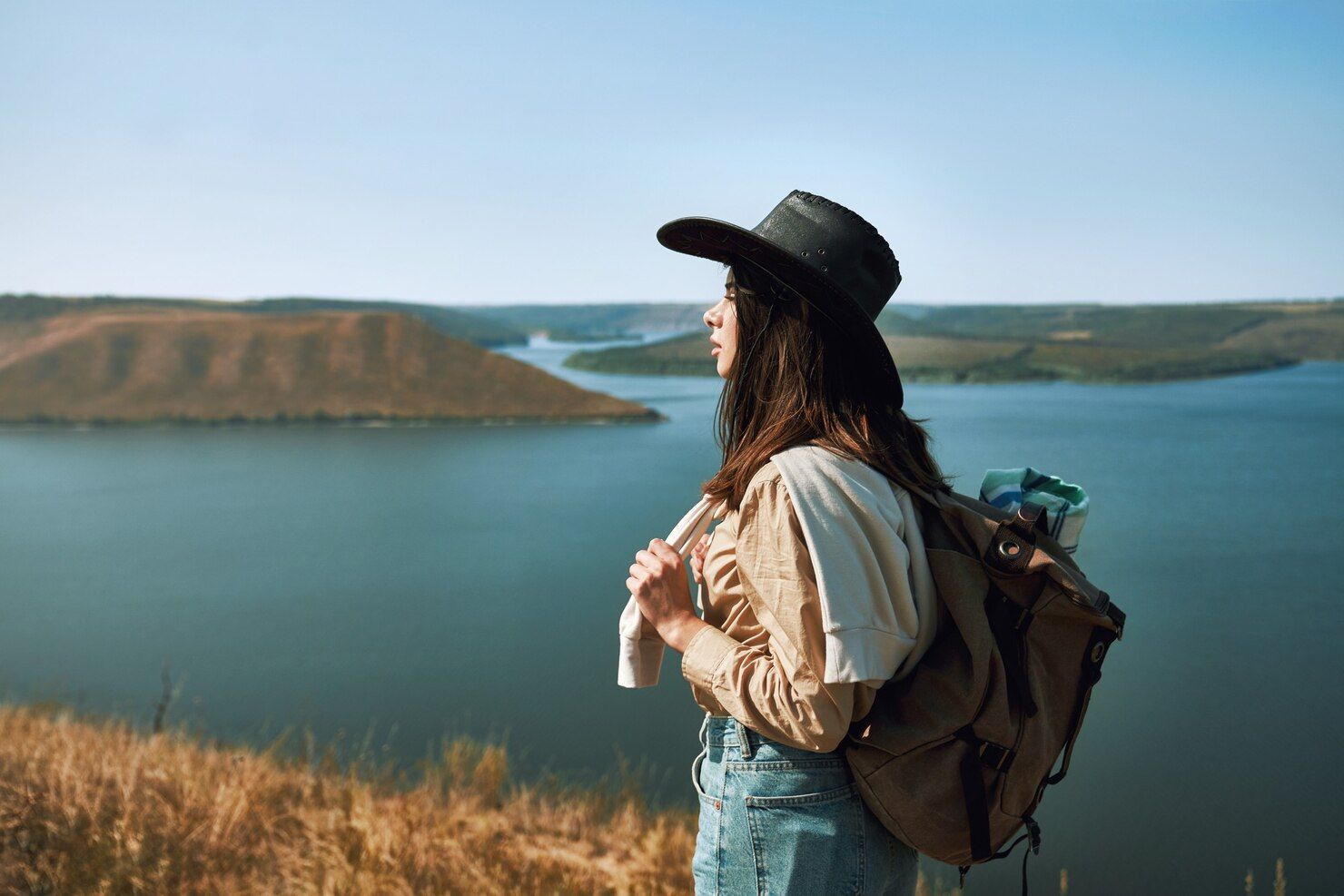
Solo female travel is not limited to leisure trips. It also includes educational travel, short stays, long-term exploration, and purpose-driven journeys. The topic continues to evolve as travelers share experiences, build communities, and emphasize preparation over spontaneity.
Importance: Why This Topic Matters
Solo female travel matters because it supports independence, informed decision-making, and personal confidence. It affects first-time travelers, experienced explorers, digital nomads, and women seeking safe, meaningful experiences abroad. Without proper information, travelers may face avoidable challenges such as cultural misunderstandings, safety concerns, or logistical issues.
Key problems this topic helps address include:
-
Lack of reliable safety information
-
Uncertainty around local customs and behavior expectations
-
Difficulty planning transport, accommodation areas, and daily routines
-
Managing health, documentation, and emergency preparedness
Understanding solo female travel basics empowers travelers to reduce risk, respect local cultures, and travel responsibly while maintaining independence.
Recent Updates: Trends and Shifts in Solo Female Travel
Solo female travel has seen noticeable shifts in recent times. Travelers increasingly rely on digital safety tools, location-sharing features, and community-based travel planning. There is also growing awareness around cultural respect, modest dressing norms, and responsible tourism practices.
Another visible trend is the focus on mental well-being during solo journeys. Travelers now prioritize balanced itineraries, slower travel, and destinations known for safety infrastructure and inclusive environments. Governments and tourism boards in several regions have also improved traveler information systems, offering clearer guidance on local rules, emergency contacts, and public safety measures.
A simplified comparison of evolving travel priorities is shown below.
| Focus Area | Earlier Approach | Current Approach |
|---|---|---|
| Safety | General advice | Location-specific planning |
| Culture | Basic etiquette | Deep cultural awareness |
| Planning | Guidebooks | Digital tools and data |
| Well-being | Fast-paced travel | Mindful, flexible travel |
Laws or Policies Affecting Solo Female Travelers
Laws and policies significantly shape solo female travel experiences. Entry regulations, visa conditions, identification requirements, and public conduct laws vary by country. Some destinations enforce strict dress codes or behavior guidelines in public spaces, which travelers must follow to avoid legal issues.
Local safety policies, such as public transport regulations, women-only spaces, and reporting mechanisms for harassment, can influence travel comfort. In certain regions, government tourism departments actively promote traveler safety awareness through official advisories and information centers.
Key policy-related considerations include:
-
Passport validity and visa compliance
-
Local laws related to dress, photography, and public behavior
-
Rules governing accommodation registration
-
Emergency reporting procedures and legal rights
Awareness of these policies helps travelers remain compliant and confident throughout their journey.
Tools and Resources for Safer Solo Travel
Practical tools play a vital role in solo female travel planning and execution. These resources support navigation, communication, safety awareness, and organization.
Commonly used tools include:
-
Navigation and maps for route planning and offline access
-
Language assistance apps for basic communication
-
Digital itinerary planners to organize travel details
-
Emergency alert and location-sharing tools for safety
-
Currency and expense trackers for budget awareness
A simple overview of how tools support travel stages is shown below.
| Travel Stage | Helpful Tool Type | Purpose |
|---|---|---|
| Planning | Itinerary planners | Structured preparation |
| Arrival | Navigation tools | Safe movement |
| Daily travel | Language aids | Clear communication |
| Emergencies | Alert systems | Rapid assistance |
Using multiple tools together creates a reliable support system during solo trips.
Cultural Awareness and Daily Safety Practices
Cultural awareness is as important as physical safety. Understanding local customs, greetings, clothing norms, and social boundaries helps travelers blend in and avoid unwanted attention. Observing how locals behave in public spaces often provides practical cues.
Daily safety practices include staying aware of surroundings, avoiding isolated areas at night, securing personal belongings, and trusting instincts. Maintaining regular communication with trusted contacts also adds reassurance.
Basic safety habits to follow:
-
Keep copies of important documents
-
Dress in line with local expectations
-
Use reputable transport options
-
Avoid sharing detailed travel plans publicly
These practices do not limit freedom but enhance confidence and control.
Frequently Asked Questions
Is solo female travel safe in general?
Safety depends on preparation, destination awareness, and personal choices. Research, planning, and cultural respect significantly reduce risks.
How can cultural misunderstandings be avoided?
Learning basic customs, observing local behavior, and dressing appropriately help prevent misunderstandings.
What should be prioritized when choosing a destination?
Public safety infrastructure, transport reliability, accommodation locations, and local attitudes toward women are key factors.
How can emergencies be handled while traveling alone?
Knowing emergency numbers, nearby facilities, and having digital backups of documents supports quick responses.
Is solo travel suitable for first-time travelers?
With proper planning and realistic expectations, solo travel can be suitable for beginners.
Conclusion
Solo female travel is built on preparation, awareness, and informed decision-making. By understanding safety basics, respecting cultural norms, and using practical tools, travelers can navigate destinations confidently. Laws, policies, and evolving travel trends continue to shape how women travel independently, making reliable information essential. With the right knowledge, solo female travel becomes a balanced experience of independence, learning, and responsible exploration.

