Discover Thailand Transport Services: Detailed Guide, Suggestions, Knowledge and Resources
Thailand’s mobility system combines traditional public transport with advanced transit networks. The most visible developments are in metropolitan rail, highway expansion, and airport modernization.
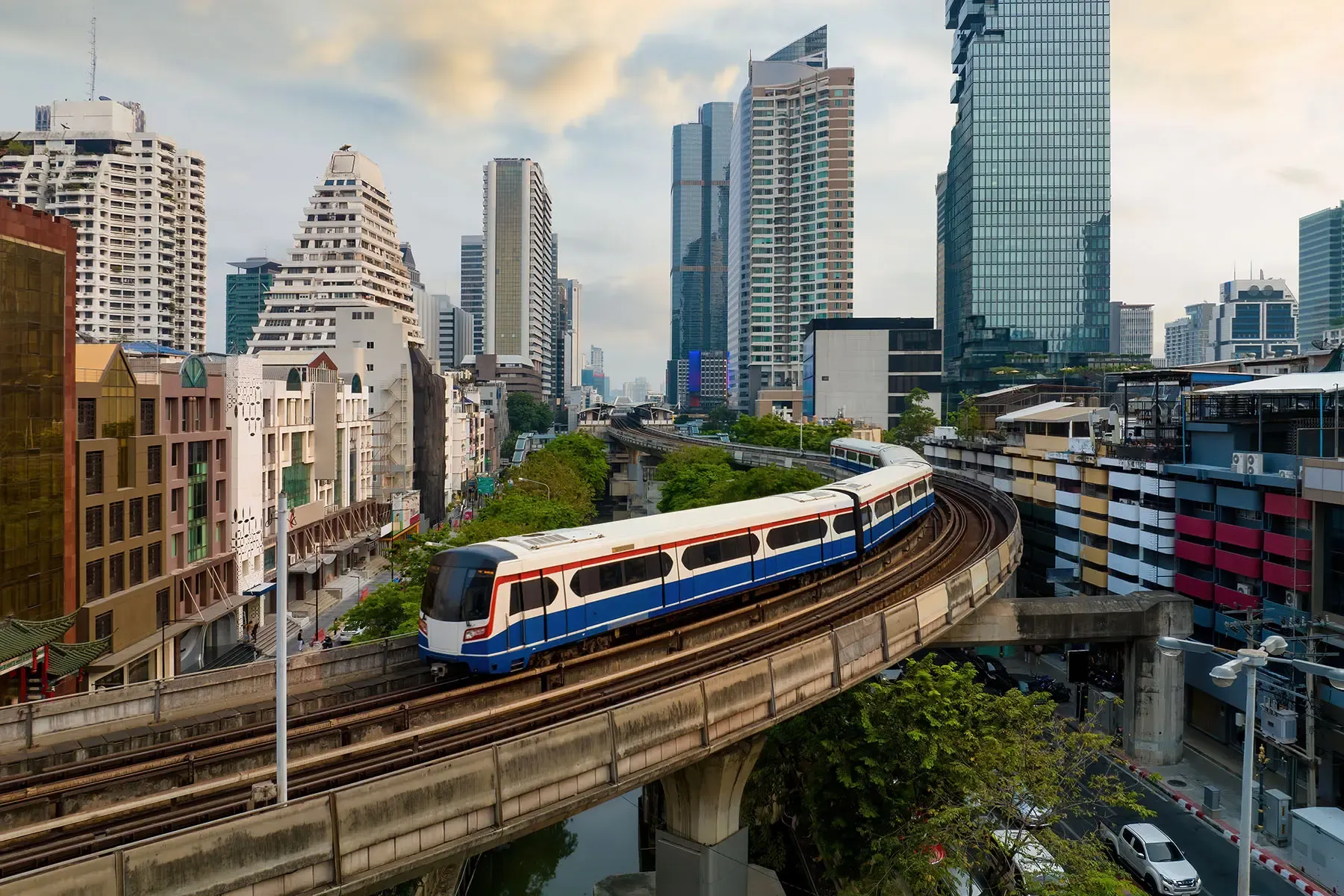
Urban rail systems in Bangkok include the BTS Skytrain and MRT subway. Regional trains connect provinces through the State Railway of Thailand network. Major airports such as Suvarnabhumi Airport and Don Mueang International Airport handle domestic and international traffic.
Water transport also plays a role, particularly along the Chao Phraya River. Bus terminals and intercity coach systems support inland travel and freight operations.
This infrastructure exists to improve mobility efficiency, reduce congestion, strengthen tourism revenue, and enhance national economic stability.
Importance of Thailand Transport Systems
Efficient transport networks affect multiple sectors:
• Tourism and hospitality
• Export-import logistics
• Urban development planning
• Real estate growth
• E-commerce delivery networks
• Industrial manufacturing supply chains
Thailand welcomes millions of international travelers each year. Airports, rail systems, and highways support safe passenger movement while maintaining cargo flow for industries such as electronics, automotive manufacturing, and agriculture.
Transport infrastructure also addresses congestion challenges in Bangkok. Smart traffic monitoring, electric rail expansion, and digital ticketing platforms aim to reduce carbon emissions and improve commuter efficiency.
From a logistics management perspective, Thailand’s road and port systems support ASEAN regional trade. Transport networks connect with neighboring countries through cross-border highways, strengthening freight operations and regional supply chain integration.
Overview of Major Transport Modes
Below is a simplified comparison of key mobility systems:
| Transport Mode | Primary Coverage | Best For | Technology Integration |
|---|---|---|---|
| BTS Skytrain | Bangkok urban | City commuting | Smart cards, mobile apps |
| MRT Subway | Bangkok urban | Dense routes | Digital ticketing |
| Intercity Rail | National | Provincial travel | Gradual upgrades |
| Highways | Nationwide | Logistics & buses | Toll automation |
| Airports | Domestic & global | Air travel | Biometric systems |
| River Boats | Bangkok & coastal | Short-distance travel | Basic digital payments |
Passenger volume distribution (approximate trend representation):
Air Travel ██████████
Urban Rail █████████
Highway Travel ████████
Intercity Rail █████
River Transport ███
This visual shows air and urban rail currently leading in passenger demand due to tourism and city commuting patterns.
Recent Updates and Infrastructure Trends
Thailand’s transport system continues modernization efforts. Expansion of metro lines in Bangkok has progressed, improving connectivity between residential districts and commercial centers. Electric train extensions have reduced reliance on road travel during peak hours.
Airport terminals have undergone capacity improvements to handle growing international arrivals. Biometric screening and automated gates enhance passenger processing efficiency.
Electric vehicle adoption has increased across ride-hailing platforms and public fleets. Charging infrastructure deployment has accelerated in urban centers.
High-speed rail development projects connecting Bangkok to regional provinces have also advanced in construction stages. These projects aim to improve travel time and regional economic development.
Smart traffic systems now integrate AI-based monitoring for congestion management in major urban corridors. Toll systems increasingly use electronic payment mechanisms, supporting seamless highway operations.
Laws and Policies Affecting Transport in Thailand
Transport operations are regulated by national authorities. Key governing frameworks include:
• Land Transport Act
• Civil Aviation regulations
• Railway system policies
• Environmental emission standards
• Road safety enforcement laws
The Department of Land Transport supervises vehicle registration, licensing, and commercial passenger transport regulation. Aviation oversight ensures compliance with international safety standards.
Environmental policies encourage electric mobility adoption and reduced emissions in urban areas. Road safety regulations enforce helmet laws, seatbelt requirements, and speed limits.
Foreign visitors are required to carry proper identification and international driving permits when operating vehicles. Public transport operators must comply with safety inspections and insurance mandates.
Infrastructure funding often aligns with national economic development plans, focusing on smart cities, sustainable transit, and regional trade corridors.
Tools and Resources for Travelers and Logistics Planning
Thailand offers digital tools that enhance travel planning and route optimization.
• Grab – Ride-hailing and transport tracking
• LINE MAN – Integrated transport and delivery platform
• Google Maps – Route planning and traffic data
• State Railway of Thailand – Train schedules and travel planning
• Bangkok Mass Transit System – Skytrain network information
• Metropolitan Rapid Transit Authority of Thailand – Subway system details
Travelers may use digital fare cards such as Rabbit Card for BTS access. Airport rail links provide rapid connection between central Bangkok and Suvarnabhumi Airport.
For freight planning, logistics operators rely on customs clearance systems and port authority digital documentation platforms.
A simplified comparison of common transport planning tools:
| Tool Type | Purpose | Users |
|---|---|---|
| Navigation Apps | Real-time traffic and routes | Tourists & residents |
| Transit Apps | Metro schedules & fares | Urban commuters |
| Airport Apps | Flight tracking | International travelers |
| Railway Systems | Intercity schedule planning | Domestic travelers |
| Freight Platforms | Cargo documentation | Logistics firms |
Regional Transport Highlights
Bangkok remains the primary transit hub. However, regional cities such as Chiang Mai and Phuket depend heavily on airport connectivity and road networks.
Island destinations rely on ferry transport and regulated marine safety systems. Southern provinces maintain road corridors linking to Malaysia for trade movement.
Northern rail routes support agricultural distribution and tourism flows.
Frequently Asked Questions
What is the main public transport system in Bangkok?
The BTS Skytrain and MRT subway are the primary urban rail systems. They connect major commercial districts, residential areas, and tourist attractions.
Is Thailand transport infrastructure modern?
Major cities feature advanced rail networks, automated ticketing, and upgraded airports. Some rural rail segments are older but undergoing modernization.
Can tourists use ride-hailing platforms?
Yes. Registered platforms such as Grab operate legally and allow app-based booking, digital payment, and driver tracking.
Are there regulations for foreign drivers?
Foreign drivers must carry an international driving permit along with their passport. Traffic laws are strictly enforced in urban centers.
Does Thailand support electric vehicles?
Government policies promote EV adoption, charging infrastructure expansion, and emission reduction initiatives in urban transport systems.
Conclusion
Thailand transport services form a comprehensive mobility ecosystem that supports tourism, commerce, and daily commuting. From Bangkok’s advanced rail network to international airports and national highways, infrastructure development remains central to economic growth.
Modernization efforts focus on electric mobility, smart traffic systems, airport capacity expansion, and high-speed rail corridors. Regulatory frameworks ensure safety compliance, environmental protection, and passenger protection.
Travelers and logistics planners can rely on digital navigation apps, transit authorities, and railway systems for route planning and real-time updates. As infrastructure investments continue, Thailand strengthens its position as a regional transport and logistics hub in Southeast Asia.
Understanding transport networks helps residents, tourists, and businesses make informed mobility decisions while contributing to sustainable urban development and efficient supply chain operations.