Discover the Basics of Screen Printing Machines: Features, Functions, and Tips
Screen printing machines are essential tools used to transfer ink onto various materials, such as textiles, paper, glass, and plastics, using a mesh screen, stencil, and pressure. The technique has been around for centuries, originally practiced manually, and has since evolved into a highly automated, industrial process.
Today, screen printing is commonly used in t-shirt design, product labeling, signage, packaging, and even circuit boards. These machines are favored for their ability to produce vibrant, long-lasting prints across multiple surfaces. Whether manual, semi-automatic, or fully automatic, screen printing machines play a key role in both small-scale custom production and large-scale commercial manufacturing.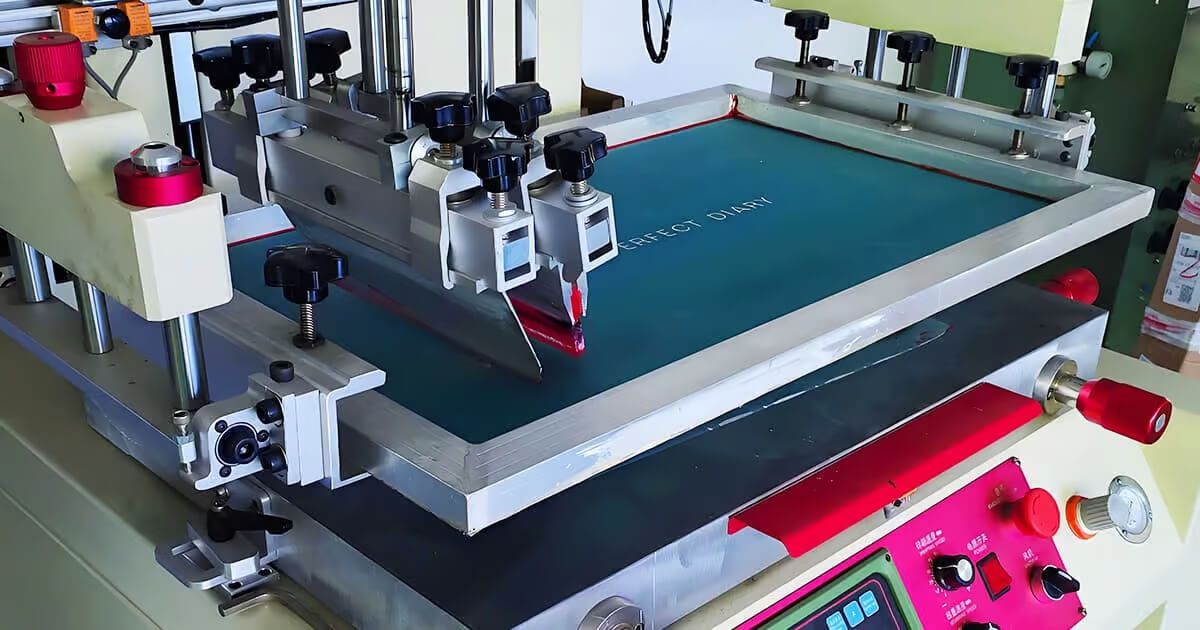
Why Screen Printing Machines Matter Today
In today’s highly customized and visually driven market, screen printing offers durable, high-quality results that digital printing often cannot match especially for large quantities or specialized materials.
Who benefits from screen printing machines?
-
Small businesses and startups – Offering branded merchandise or custom apparel
-
Large-scale manufacturers – Mass production of printed packaging or textiles
-
Artists and designers – Custom projects, art prints, and posters
-
Educational institutions – In-house printing for uniforms and events
Problems they solve:
-
High-volume printing with consistent quality
-
Printing on uneven or non-porous surfaces
-
Cost-effective production once set up
This makes screen printing machines a valuable asset in industries ranging from fashion and advertising to electronics and home décor.
Recent Trends and Updates in Screen Printing
Over the last year, screen printing technology has continued to evolve. Sustainability, automation, and hybrid printing solutions have gained traction across the globe.
Key developments include:
-
Eco-friendly inks and chemicals: Water-based inks and biodegradable emulsions are replacing harmful solvents.
-
Digital-screen hybrid models: Combining digital precision with traditional screen techniques for complex graphics.
-
Compact and portable machines: Designed for small businesses, hobbyists, or on-site event printing.
-
AI-integrated systems: Some industrial machines now use sensors and automation for error detection and workflow optimization.
According to Printwear Journal (December 2024), demand for hybrid screen printing systems increased by 23% globally, with Asia-Pacific seeing the highest growth, driven by apparel exports and small business expansion.
Regulations and Industry Guidelines
Screen printing businesses must comply with various environmental, safety, and labor-related laws, depending on location and industry. These rules ensure safe operation and minimize harmful environmental impact.
Key regulations affecting screen printing machines include:
| Regulation | Description | Applies To |
|---|---|---|
| OSHA standards (USA) | Requires safety features for handling inks, solvents, and operating machinery | All printing workshops |
| REACH & RoHS (EU) | Controls the use of hazardous substances in printing chemicals and electronics | European manufacturers |
| CPCB Norms (India) | Guidelines for proper disposal of printing waste and emissions | Textile and packaging sectors |
| Waste Disposal Regulations | Local governments often require permits for chemical disposal | All industrial users |
Tools, Resources, and Services to Help You
Getting started or improving an existing screen printing setup is easier with access to the right tools and information.
Recommended tools and resources:
-
Design software:
-
Adobe Illustrator – Vector design for screens
-
CorelDRAW – Popular for screen prep
-
Inkscape – Free alternative
-
-
Screen-making tools:
-
Exposure units for stencil development
-
Emulsion coating machines
-
Washout booths
-
-
Productivity aids:
-
Registration systems to align multi-color prints
-
Heat guns or dryers for ink curing
-
Mesh counters and calculators for stencil precision
-
-
Learning platforms:
-
YouTube Channels like "Catspit Productions" and "Printavo"
-
Forums: T-Shirt Forums, Reddit’s r/screenprinting
-
Courses: Udemy or Skillshare offer beginner to advanced guides
-
-
Suppliers and directories:
-
Alibaba, Ryonet, Vastex – Equipment vendors
-
SGIA.org – Specialty Graphic Imaging Association for industry updates
-
Common FAQs About Screen Printing Machines
Q1: What are the main types of screen printing machines?
There are three primary types:
-
Manual machines – Operated by hand; ideal for small-scale projects.
-
Semi-automatic machines – Require manual screen loading but automate printing.
-
Automatic machines – Fully automated and suited for high-volume production.
Q2: Can I use screen printing on non-textile materials?
Yes. Screen printing works on a variety of surfaces including glass, wood, ceramics, metal, and plastic, provided the right ink and curing process are used.
Q3: What’s the difference between screen printing and digital printing?
Screen printing uses physical stencils and applies ink layer by layer. It is better for durability and bulk printing. Digital printing prints directly from a computer and is better for detailed or short-run jobs.
Q4: How long does a screen printing setup last?
With proper maintenance, screen printing machines can last 10–15 years. Screens may need to be replaced or re-coated depending on usage.
Q5: Is screen printing environmentally friendly?
It depends. Traditional screen printing can use harmful solvents, but eco-conscious operations now use water-based inks, reclaim chemicals, and closed-loop waste systems.
Summary Table: Pros and Cons of Screen Printing
| Aspect | Advantages | Limitations |
|---|---|---|
| Cost (long-term) | Low cost per unit for large volumes | High setup cost for small runs |
| Durability | Long-lasting and vibrant prints | May require heat curing |
| Material Flexibility | Can print on a wide range of surfaces | Limited on complex shapes |
| Color Vibrancy | Excellent with opaque inks | Not ideal for photo-realistic designs |
| Speed | Very fast for high volumes | Slower setup and cleanup times |
Final Thoughts
Screen printing machines remain a foundational tool in many industries because of their durability, scalability, and consistent output. While digital printing has expanded in recent years, screen printing holds its own especially in markets that value texture, vibrancy, and tactile quality.
By understanding the types, tools, and trends in screen printing, both beginners and professionals can make informed decisions and ensure compliance with industry regulations. Whether you're launching a custom t-shirt line, printing packaging labels, or exploring artistic designs, screen printing offers a reliable and time-tested solution.
For those just starting out, beginning with a manual press and gradually expanding with semi-automatic tools and digital integrations can be a sustainable way to grow. And with evolving eco-regulations and tech updates, staying informed will be key to success in this field.