Discover the Maldives: Holiday Overview with Key Facts and Travel Ideas
The Maldives is a tropical island nation located in the Indian Ocean, known for its coral atolls, clear lagoons, and rich marine ecosystems. It exists as a travel topic because of its unique geography, environmental significance, and cultural heritage shaped by centuries of ocean-based living. Spread across hundreds of low-lying islands, the Maldives represents a rare combination of natural beauty and human adaptation to island environments.
A holiday overview of the Maldives focuses on understanding its geography, lifestyle, climate, and travel considerations rather than promoting tourism activities. This approach helps readers gain accurate knowledge about the destination and make informed decisions based on facts, cultural context, and environmental awareness.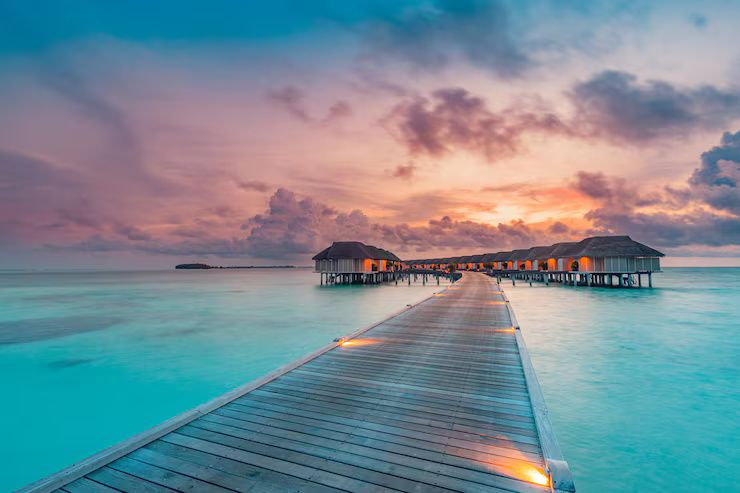
Context
The Maldives consists of 26 natural atolls made up of more than 1,000 coral islands, located southwest of Sri Lanka and India. These islands are scattered across the equator, giving the country a warm climate throughout the year.
Key contextual features include:
-
Geography: One of the world’s flattest countries, with an average elevation just above sea level
-
Population distribution: Small communities spread across inhabited islands
-
Capital city: Malé, a densely populated urban island
-
Language: Dhivehi, with English widely understood in public spaces
-
Religion: Islam, which influences daily life and cultural practices
The Maldives has historically depended on fishing, seafaring trade, and local craftsmanship. Over time, its islands have also become important for marine research, climate studies, and sustainable development discussions due to their environmental sensitivity.
Importance
The Maldives matters today for several reasons that go beyond leisure travel.
Environmental importance
-
Home to coral reef ecosystems supporting diverse marine life
-
Acts as a key indicator region for climate change and rising sea levels
-
Supports global research on reef conservation and ocean health
Cultural and social relevance
-
Preserves a distinct island culture shaped by isolation and ocean reliance
-
Offers insights into sustainable living in limited land environments
Global awareness
-
Highlights challenges faced by small island nations
-
Encourages international cooperation on climate resilience
Who this topic affects:
-
Travelers seeking informed destination knowledge
-
Environmental researchers and climate scientists
-
Students of geography and island ecosystems
-
Policy observers focusing on sustainability
-
Communities interested in responsible travel awareness
Problems this knowledge helps solve:
-
Reduces misinformation about island nations
-
Encourages respect for local customs and ecosystems
-
Promotes understanding of climate vulnerability
-
Helps visitors plan responsibly and ethically
Understanding the Maldives as a place, not just a destination, supports more meaningful global engagement.
Recent Updates and Trends
During 2024–2025, several developments influenced how the Maldives is viewed and managed:
-
Sustainability initiatives expanded
Increased focus on coral restoration and marine protection programs. -
Climate adaptation projects
Ongoing investments in shoreline protection and island elevation research. -
Digital travel documentation
Enhanced online systems for entry documentation and visitor information. -
Marine conservation awareness
Stronger regulations around reef interaction and wildlife protection. -
Cultural preservation efforts
Greater emphasis on promoting Maldivian art, music, and traditional crafts.
These updates reflect the country’s efforts to balance global interest with environmental responsibility and cultural integrity.
Geography, Climate, and Natural Features
The Maldives has a tropical climate influenced by monsoon patterns.
Climate overview
-
Warm temperatures year-round
-
Two main monsoon seasons affecting wind and rainfall
-
High humidity balanced by ocean breezes
Natural features
-
Coral reefs surrounding most islands
-
Shallow lagoons with clear water
-
White sand beaches formed from coral fragments
-
Rich marine biodiversity including fish, turtles, and reef organisms
These features make the Maldives a valuable natural study area, especially for marine biology and environmental science.
Islands and Travel Patterns Overview
Travel within the Maldives is shaped by its geography.
Common island categories:
-
Inhabited islands
Home to local communities, schools, mosques, and markets. -
Uninhabited islands
Often reserved for environmental research or controlled development. -
Urban islands
Such as Malé, which serves as the administrative and economic center.
Movement between islands typically involves boats or short domestic flights, reflecting the ocean-based transport culture of the country.
Comparison Table: Maldives Regional Characteristics
| Aspect | Key Characteristics | Why It Matters |
|---|---|---|
| Geography | Low-lying coral atolls | Climate vulnerability |
| Climate | Tropical, ocean-influenced | Year-round accessibility |
| Marine Life | Coral reefs, fish diversity | Global biodiversity value |
| Culture | Island-based traditions | Social sustainability |
| Economy | Fishing, services | Resource dependency |
This table highlights why the Maldives is significant beyond visual appeal.
Laws and Policies
Travel and activity in the Maldives are guided by national laws and regulations that protect society and nature.
Key policy areas include:
-
Environmental protection laws
Strict rules on coral damage, waste disposal, and marine interaction. -
Cultural respect guidelines
Dress codes and behavior expectations on inhabited islands. -
Entry and immigration policies
Clear requirements for travel documentation and length of stay. -
Public conduct regulations
Alcohol restrictions on local islands and respect for religious practices. -
Marine activity controls
Guidelines for snorkeling, diving, and wildlife observation.
These policies aim to protect local communities, ecosystems, and visitors alike.
Tools and Resources
Several resources help people learn about and plan responsible travel to the Maldives:
Geography and Climate Tools
-
Weather forecasting platforms
-
Ocean current and tide charts
-
Climate data visualization sites
Cultural and Educational Resources
-
Government tourism information portals
-
Cultural etiquette guides
-
Maldivian history and heritage websites
Environmental Awareness Tools
-
Marine conservation organization resources
-
Reef protection guidelines
-
Sustainable travel education platforms
Travel Planning Aids
-
Island maps and transport overview charts
-
Packing checklists for tropical climates
-
Health and safety advisory portals
These tools support informed, respectful, and well-prepared travel planning.
FAQs
Where is the Maldives located?
It is located in the Indian Ocean, southwest of India and Sri Lanka, near the equator.
What makes the Maldives unique geographically?
It is one of the world’s lowest-lying countries and is made up entirely of coral islands.
Is the Maldives suitable for cultural learning?
Yes. Local islands offer insights into Maldivian traditions, language, and daily life.
How does climate change affect the Maldives?
Rising sea levels and coral reef stress make the country a key focus for climate research.
Are there rules visitors should be aware of?
Yes. Visitors should respect local customs, environmental laws, and public conduct regulations.
Practical Travel Ideas for Awareness-Based Planning
For those interested in understanding the Maldives responsibly:
-
Learn basic cultural norms before visiting inhabited islands
-
Follow reef-safe practices near marine environments
-
Plan activities around weather patterns and seasonal conditions
-
Use reusable items to reduce plastic waste
-
Respect wildlife by observing from a distance
-
Stay informed about local regulations and conservation rules
These ideas support thoughtful interaction with the destination.
Conclusion
The Maldives stands out as a unique island nation shaped by ocean geography, marine ecosystems, and resilient communities. Beyond its visual appeal, it plays an important role in global discussions on climate change, sustainability, and environmental conservation. Understanding the Maldives through factual context, recent developments, and policy awareness allows visitors and readers to appreciate its complexity and significance.
By focusing on education, respect for local culture, and environmental responsibility, people can engage with the Maldives in a meaningful way. As global awareness grows, informed perspectives help ensure that this island nation continues to thrive while sharing its natural and cultural heritage with the world.

