Discover the Maldives: Holiday Overview with Key Facts and Travel Ideas
The Maldives is an island nation located in the Indian Ocean, southwest of Sri Lanka and India. Known for its chain of coral atolls, it consists of more than 1,000 small islands grouped into around 26 natural atolls. Over time, it has become a well-known destination for travelers interested in coastal environments, marine life, and island-based holidays.
A Maldives holiday overview typically includes information about its geography, tropical climate, and cultural background. The country has a long history influenced by South Asian, Arab, and African trade routes, which is reflected in its language, traditions, and cuisine. Dhivehi is the official language, while English is widely understood in tourism-related areas.
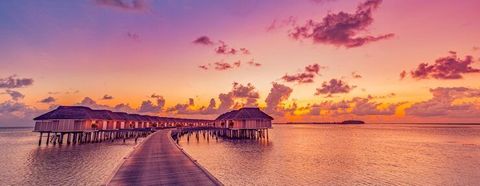
Travel ideas for the Maldives often focus on experiences shaped by nature, such as lagoons, coral reefs, and sandy shorelines. These features make the islands suitable for activities like snorkeling, diving, and relaxation in remote surroundings. The structure of tourism in the Maldives is unique, with many islands dedicated to single-resort setups, while others are inhabited by local communities.
Importance
Understanding a Maldives holiday overview is useful for travelers who want to make informed decisions about visiting island destinations. The Maldives represents a distinct type of tourism environment where geography directly influences accommodation, transportation, and daily life.
This topic matters because island tourism comes with specific considerations. Travelers need to plan for inter-island transport, limited land space, and environmental sensitivity. For example, movement between islands often involves boats or seaplanes, which differs from typical road-based travel in larger countries.
The Maldives also highlights broader global issues such as climate change and sustainable tourism. Rising sea levels and coral reef health are ongoing concerns that affect both residents and visitors. Awareness of these challenges helps travelers better understand how their activities may impact fragile ecosystems.
For everyday travelers, a clear overview can address common challenges such as:
- Understanding the difference between resort islands and local islands
- Planning travel logistics across scattered islands
- Managing expectations about infrastructure and facilities
- Learning about cultural norms and regulations
These factors contribute to a more informed and respectful travel experience.
Recent Updates
In recent years, travel trends in the Maldives have evolved in response to global tourism patterns and environmental awareness. One noticeable shift is the growth of locally inhabited islands as accommodation options. This development allows visitors to experience local culture more directly compared to traditional resort-only stays.
Another trend involves increased attention to sustainability. Many properties and communities are adopting practices such as renewable energy use, coral reef restoration programs, and waste reduction initiatives. These efforts aim to balance tourism with environmental preservation.
Digital tools have also become more integrated into travel planning. Online booking platforms, virtual tours, and real-time weather tracking help travelers organize Maldives trips more efficiently. Additionally, improved connectivity between islands has made it easier to explore multiple locations within one visit.
Health and safety protocols introduced in recent years have influenced travel procedures. While requirements may change over time, travelers often encounter structured entry processes and guidelines related to public health. These measures contribute to a more organized travel environment.
Overall, the Maldives continues to adapt to changing traveler expectations while maintaining its natural and cultural identity.
Laws or Policies
Travel and tourism in the Maldives are shaped by national regulations designed to protect both visitors and the environment. Understanding these rules is an important part of any Maldives holiday overview.
One key regulation involves environmental protection. Coral reefs and marine ecosystems are legally protected, and activities such as coral collection or damage to marine life are restricted. These policies aim to preserve biodiversity and maintain the health of underwater habitats.
Cultural guidelines also play a role, especially on local islands. The Maldives is a predominantly Muslim country, and visitors are expected to respect local customs. For example, modest clothing is generally required in inhabited areas, while designated tourist zones may have different norms.
Import regulations are another consideration. Certain items, including alcohol and religious materials for distribution, are restricted when entering the country. These rules are enforced to align with national laws and cultural values.
Visa policies for travelers are relatively straightforward. Many visitors receive entry permission upon arrival, provided they meet standard requirements such as valid travel documents and confirmed accommodation details.
The table below summarizes key regulatory aspects:
| Category | Key Information |
|---|---|
| Environmental Rules | Protection of coral reefs and marine ecosystems |
| Cultural Guidelines | Modest dress on local islands, respect for customs |
| Import Restrictions | Limits on alcohol and certain materials |
| Entry Requirements | Valid passport and travel documentation |
| Island Regulations | Differences between resort and inhabited islands |
These policies help maintain order, safety, and sustainability across the islands.
Tools and Resources
Planning a trip to the Maldives can be simplified using various digital tools and informational resources. These tools provide guidance on logistics, accommodations, and activities.
Travel planning platforms allow users to compare routes, check availability, and organize itineraries. Many of these platforms include filters for island types, helping travelers choose between resort islands and local communities.
Weather tracking tools are especially useful in a tropical destination. They provide updates on rainfall patterns, sea conditions, and seasonal variations, which can influence travel plans and activities.
Mapping applications help visualize the geographic layout of the Maldives. Since the islands are widely dispersed, these tools make it easier to understand distances and transportation options.
Additional resources include:
- Official tourism websites that provide general information about regulations and travel guidelines
- Marine conservation platforms that explain reef protection and responsible tourism practices
- Currency conversion tools for understanding local transactions
- Language translation tools for basic communication in Dhivehi
Using these resources can help travelers prepare for the unique characteristics of island-based travel.
FAQs
What is included in a Maldives holiday overview?
A Maldives holiday overview usually includes information about geography, climate, travel logistics, cultural norms, and common activities. It helps travelers understand how the islands function as a destination.
What are common travel ideas for the Maldives?
Travel ideas for the Maldives often involve snorkeling, diving, island hopping, and relaxation near lagoons. Some travelers also explore local islands to learn about traditional lifestyles.
Do travelers need to follow specific rules in the Maldives?
Yes, travelers are expected to follow environmental and cultural regulations. This includes respecting marine life, adhering to dress guidelines on local islands, and following entry requirements.
How do people travel between islands in the Maldives?
Transportation typically includes speedboats, ferries, and seaplanes. The choice depends on distance, location, and travel plans within the Maldives.
Is the Maldives suitable for different types of travelers?
The Maldives can accommodate a range of travel styles, including independent travelers, families, and those interested in nature-focused experiences. The type of island chosen often shapes the overall experience.
Conclusion
The Maldives is a geographically unique destination shaped by its island structure and marine environment. A clear understanding of its layout, cultural norms, and travel logistics helps visitors navigate it more effectively. Recent developments highlight a growing focus on sustainability and diversified travel experiences. Regulations play an important role in preserving both natural ecosystems and cultural identity. Overall, the Maldives offers a distinct perspective on island travel grounded in environmental and cultural awareness.