Discover Underwater Dining Resorts: Overview, Basics, Facts, and Helpful Resources
Underwater dining resorts are architectural and hospitality spaces designed to allow guests to eat meals below sea level while observing marine life through reinforced glass walls. Unlike traditional oceanfront restaurants, these spaces are partially or fully submerged beneath the water’s surface.
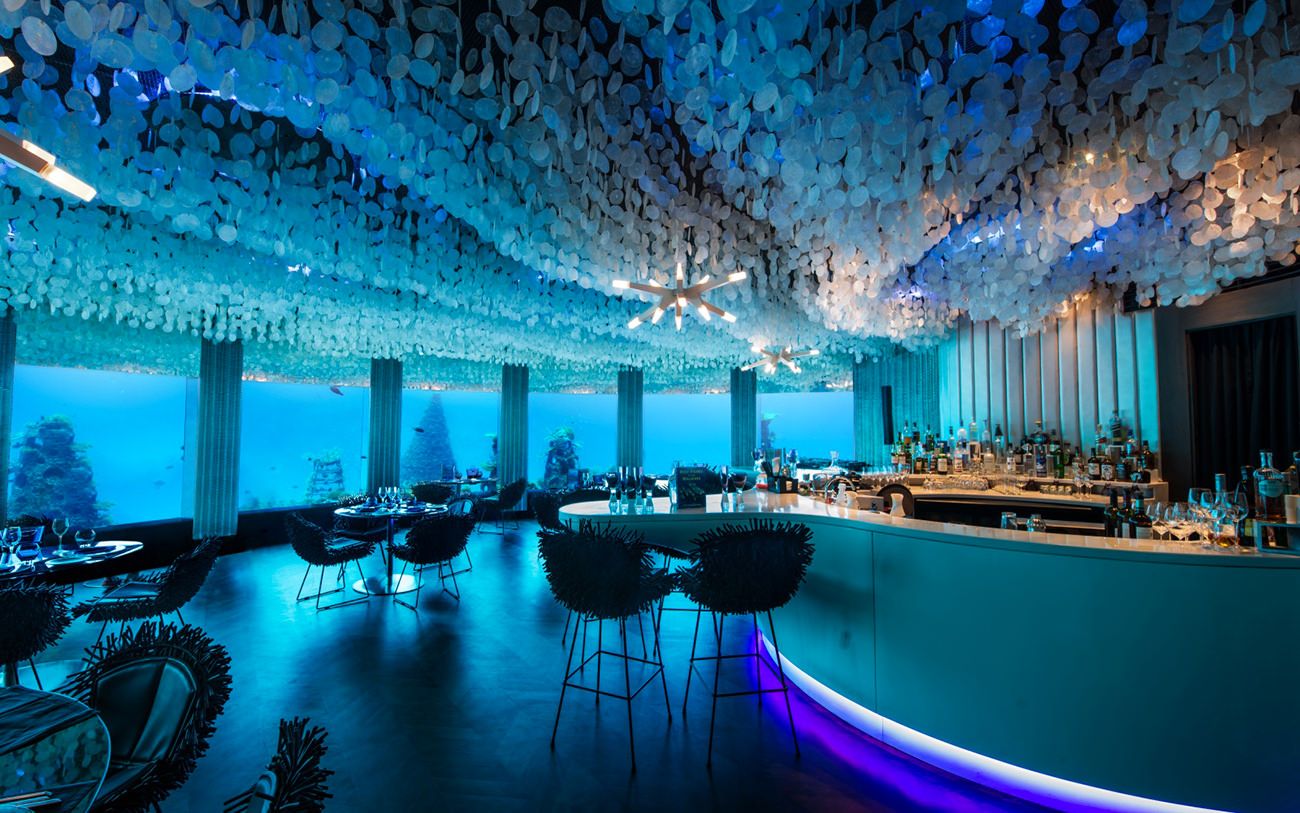
One of the earliest well-known examples is the underwater restaurant at Conrad Maldives Rangali Island, which introduced a transparent acrylic tunnel dining concept. Another recognized location is Ossiano at Atlantis The Palm in Dubai, where diners experience panoramic aquarium views.
These developments exist because of advancements in marine engineering, sustainable architecture, and luxury hospitality innovation. Engineers use pressure-resistant acrylic panels, marine-grade steel, and waterproof sealing systems to create safe environments beneath the sea. The concept combines tourism investment, environmental awareness, and experiential travel.
Underwater dining resorts are often part of larger eco-resorts, marine conservation projects, or luxury travel destinations. They aim to provide immersive experiences while highlighting ocean ecosystems in a controlled, protected setting.
Why Underwater Dining Resorts Matter Today
The rise of underwater dining reflects broader global trends in experiential tourism, sustainable development, and high-value hospitality real estate investment.
From an economic perspective, these resorts support:
-
Luxury tourism growth
-
Coastal infrastructure development
-
Marine conservation funding
-
International travel revenue
Many countries with coral reefs or clear coastal waters view underwater dining as part of premium tourism strategy. Destinations such as the Maldives and the United Arab Emirates integrate these structures into long-term hospitality investment planning.
From an environmental standpoint, these projects often promote:
-
Coral reef monitoring
-
Marine biodiversity awareness
-
Ocean sustainability education
-
Eco-tourism compliance
Because the restaurant is surrounded by sea life, operators must maintain strict marine environmental standards. This encourages responsible tourism practices.
From a technological standpoint, underwater dining resorts demonstrate advances in:
-
Marine engineering design
-
Structural load calculation
-
Water pressure resistance systems
-
Climate-controlled underwater architecture
Below is a simplified comparison of traditional fine dining versus underwater dining environments:
| Feature | Traditional Fine Dining | Underwater Dining Resort |
|---|---|---|
| Location | Land-based | Submerged below sea level |
| Structure | Standard architecture | Reinforced acrylic and marine steel |
| View | City, garden, or oceanfront | Marine life and coral ecosystems |
| Engineering Complexity | Moderate | High structural and safety standards |
| Environmental Oversight | General hospitality rules | Marine environmental regulations |
This niche segment of hospitality also addresses demand for destination-driven travel, where guests prioritize unique experiences over conventional amenities.
Recent Developments and Trends
In recent months, underwater dining projects have focused on sustainability and marine protection rather than only luxury appeal.
For example, the underwater restaurant “Under” in Norway has expanded research partnerships with marine biologists to monitor fish populations around its structure. In island destinations, newer resort concepts integrate solar energy systems and coral restoration programs.
Emerging trends include:
-
Carbon footprint reduction strategies
-
Use of renewable energy in resort operations
-
Marine habitat regeneration programs
-
Digital monitoring of underwater structures
Technological updates have improved:
-
Structural pressure modeling software
-
Acrylic panel durability testing
-
Advanced underwater lighting systems that reduce impact on marine life
Several coastal nations are reviewing environmental approval frameworks for underwater construction. These changes reflect growing attention to climate resilience and coastal ecosystem protection.
As sea levels rise and environmental concerns increase, underwater architecture now includes adaptive climate design, stronger foundation anchoring, and improved marine impact assessments.
Laws, Regulations, and Government Policies
Underwater dining resorts are subject to multiple layers of regulation. These vary depending on the country but generally include marine construction law, environmental impact assessments, and coastal zoning permissions.
Key regulatory areas include:
Marine Environmental Protection
Governments require environmental impact assessments before underwater construction. These studies examine coral reefs, fish populations, and seabed conditions.
Coastal Zoning Regulations
Coastal development is often restricted. Resorts must obtain permission to build within protected marine zones.
Structural Safety Standards
Underwater structures must comply with international building codes for:
-
Water pressure resistance
-
Emergency evacuation planning
-
Fire and safety protocols
-
Material certification
In the Maldives, marine tourism development falls under national environmental protection frameworks. In the UAE, large-scale hospitality projects operate under strict urban planning authorities and marine construction guidelines.
Environmental permits typically require:
-
Long-term ecosystem monitoring
-
Wastewater management systems
-
Restrictions on artificial lighting intensity
-
Sustainable waste disposal plans
Failure to comply can result in operational suspension or fines. Therefore, underwater dining resorts must maintain compliance documentation and regular inspection records.
Tools and Helpful Resources
Planning or researching underwater dining resorts may involve various technical and informational tools. Below are commonly referenced categories:
Marine Engineering Software
Used by architects and engineers for underwater structural modeling.
Environmental Impact Assessment Templates
Government-approved templates guide developers through compliance processes.
Sustainable Tourism Frameworks
International sustainability standards help evaluate environmental performance.
Hospitality Revenue Analytics Platforms
Used for tracking tourism performance metrics and high-value hospitality investment data.
Ocean Conservation Databases
Provide research insights on coral reef health and biodiversity.
Marine Weather Monitoring Systems
Help operators assess tide patterns, storm risk, and underwater visibility conditions.
Below is a simplified overview of structural considerations in underwater construction:
| Component | Purpose | Risk Factor Managed |
|---|---|---|
| Acrylic Panels | Transparent viewing | Water pressure |
| Reinforced Steel Frame | Structural support | Corrosion resistance |
| Sealed Entry Tunnel | Safe guest access | Water infiltration |
| Climate Control Systems | Interior comfort | Humidity balance |
These resources help ensure that underwater dining environments remain safe, compliant, and environmentally responsible.
Frequently Asked Questions
What materials are used in underwater dining resorts?
Most structures use thick acrylic panels instead of glass because acrylic can better withstand water pressure. Marine-grade steel and corrosion-resistant materials are also used.
Are underwater restaurants safe?
Yes, they are designed to meet strict structural safety codes. Engineers calculate water pressure, emergency exit routes, and material durability before approval.
Do underwater dining resorts harm marine life?
When properly regulated, they aim to minimize impact. Environmental impact assessments and ongoing marine monitoring are typically required.
How deep are underwater restaurants located?
Most are positioned a few meters below sea level rather than at extreme depths. This allows safe construction while providing clear underwater views.
Which countries commonly host underwater dining resorts?
Locations with clear waters and strong tourism infrastructure such as the Maldives, Norway, and the United Arab Emirates are among the most recognized regions.
Conclusion
Underwater dining resorts represent a combination of advanced marine engineering, sustainable tourism development, and experiential hospitality design. These environments rely on precision structural calculations, environmental oversight, and strict regulatory compliance.
They matter because they reflect broader trends in high-value tourism investment, coastal infrastructure planning, and marine conservation awareness. While visually impressive, their true complexity lies in the engineering, safety systems, and environmental protections required for operation.
As sustainability standards evolve and climate resilience becomes a priority, underwater dining resorts are increasingly shaped by environmental policy, marine research collaboration, and responsible tourism frameworks.
For travelers, researchers, and hospitality analysts, understanding the architecture, regulation, and ecological considerations behind underwater dining offers insight into how modern tourism intersects with ocean preservation and structural innovation.