Discover Vaccine Filling Machines: Detailed Explanation and Industry Information
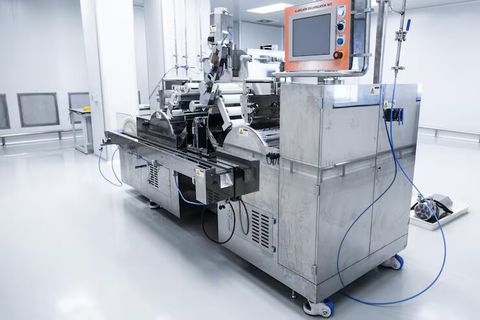
Vaccine filling machines are specialized systems used in pharmaceutical manufacturing to transfer liquid vaccines into containers such as vials, syringes, or ampoules. These machines operate in controlled environments to maintain sterility and ensure accurate dosing. As vaccines are sensitive biological products, the filling process must follow strict hygiene and precision standards.
The concept of automated filling equipment emerged alongside the growth of large-scale pharmaceutical production. Over time, vaccine filling machines have evolved from semi-manual setups to fully automated, high-precision systems. Today, they are an essential part of modern vaccine production lines, especially in facilities that handle large volumes of immunization products.
These machines typically integrate multiple processes, including container preparation, filling, stoppering, sealing, and inspection. By combining these steps into a streamlined workflow, manufacturers can maintain consistent quality while reducing human contact with the product.
Importance
Vaccine filling machines play a significant role in global healthcare systems. They help ensure that vaccines are packaged safely and accurately, which is critical for maintaining their effectiveness. Even small variations in dosage or contamination risks can impact public health outcomes.
The importance of these machines extends to several key areas. First, they support mass immunization programs by enabling large-scale production. Second, they help maintain sterility, reducing the risk of contamination during the filling process. Third, they improve consistency, ensuring that each dose meets required standards.
For everyday people, this technology contributes indirectly to safer vaccination programs. Reliable filling processes help ensure that vaccines administered in clinics and hospitals meet quality expectations. This is particularly important during outbreaks or global health emergencies, when rapid production and distribution are necessary.
Recent Updates
Recent developments in vaccine filling machines between 2024 and 2026 reflect broader trends in pharmaceutical manufacturing. Automation and digital integration have become more prominent, with manufacturers adopting advanced control systems to monitor filling accuracy and environmental conditions in real time.
One noticeable trend is the increased use of isolator technology. These enclosed systems create a barrier between the machine and the external environment, reducing contamination risks. Another development is the adoption of robotic handling systems, which improve precision and reduce manual intervention.
Flexible manufacturing has also gained attention. Modern vaccine filling machines are designed to handle multiple container types and sizes, allowing facilities to adapt to different vaccine formats without extensive reconfiguration. This flexibility is especially useful in situations where demand patterns change quickly.
Additionally, data tracking and digital documentation systems are now integrated into many filling lines. These tools help maintain detailed production records, which are important for regulatory compliance and quality assurance.
Laws or Policies
The operation of vaccine filling machines is governed by strict regulations in most countries. These rules are designed to ensure that vaccines are produced, handled, and packaged safely.
In India, pharmaceutical manufacturing is regulated by authorities such as the Central Drugs Standard Control Organization (CDSCO). Facilities must follow Good Manufacturing Practices (GMP), which outline standards for cleanliness, equipment validation, and process control. Vaccine filling machines must meet these requirements to be used in production.
Internationally, guidelines from organizations like the World Health Organization (WHO) and regulatory agencies such as the U.S. Food and Drug Administration (FDA) also influence manufacturing practices. These guidelines emphasize sterility, accuracy, and traceability.
Key regulatory considerations include:
- Sterility requirements: Equipment must operate in cleanroom environments to prevent contamination.
- Validation processes: Machines must be tested and documented to ensure consistent performance.
- Traceability: Each batch must be recorded and tracked throughout production.
- Quality control checks: Regular inspections and testing are required during and after filling.
These policies ensure that vaccine filling machines contribute to safe and reliable production processes.
Tools and Resources
Various tools and resources support the operation and understanding of vaccine filling machines. These tools are used by manufacturers, researchers, and regulatory bodies to ensure efficiency and compliance.
Common tools include:
- Simulation software: Used to model filling processes and optimize machine performance before implementation.
- Environmental monitoring systems: Track temperature, humidity, and air quality in cleanrooms.
- Data logging platforms: Record production details, including batch numbers and filling volumes.
- Inspection systems: Use cameras and sensors to detect defects such as underfilled vials or sealing issues.
Educational resources are also available for those interested in learning more about this field. These may include technical manuals, online courses, and regulatory guidelines published by health authorities.
Example of Key Components in Vaccine Filling Machines
| Component | Function Description |
|---|---|
| Filling nozzles | Dispense precise volumes of vaccine into containers |
| Conveyor systems | Transport containers through different stages |
| Stoppering units | Place stoppers on vials to seal contents |
| Capping systems | Secure caps on containers for final sealing |
| Inspection modules | Check for defects or inconsistencies |
| Control systems | Monitor and regulate machine operations |
These components work together to ensure a smooth and controlled filling process.
FAQs
What are vaccine filling machines used for?
Vaccine filling machines are used to transfer liquid vaccines into containers such as vials, syringes, or ampoules under sterile conditions. They help ensure accurate dosing and maintain product quality during packaging.
How do vaccine filling machines maintain sterility?
These machines operate in cleanroom environments and often use isolator systems or laminar airflow technology. These features reduce exposure to contaminants and help maintain a controlled environment during the filling process.
What types of containers can vaccine filling machines handle?
Most modern vaccine filling machines are designed to handle multiple container types, including glass vials, prefilled syringes, and ampoules. Flexible systems can adapt to different sizes and formats with minimal adjustments.
Are vaccine filling machines fully automated?
Many vaccine filling machines are highly automated, integrating processes such as filling, sealing, and inspection. However, some systems may still include manual steps depending on the production setup and regulatory requirements.
Why is accuracy important in vaccine filling machines?
Accuracy ensures that each container receives the correct dosage. This is essential for maintaining vaccine effectiveness and meeting regulatory standards. Even small variations can affect the quality and safety of the final product.
Conclusion
Vaccine filling machines are a vital part of pharmaceutical manufacturing, supporting the safe and accurate packaging of vaccines. Their development reflects advances in automation, precision engineering, and regulatory compliance. By maintaining sterility and consistency, these machines contribute to reliable vaccine distribution. As technology continues to evolve, they remain an important element in global healthcare infrastructu