Dosing Systems Explained: A Beginner’s Guide to Types, Uses, and Benefits
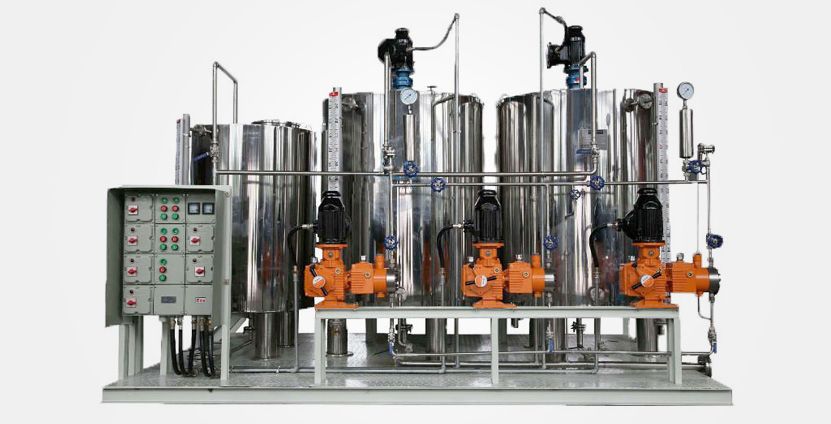
Dosing systems are precision-based equipment used to automatically and accurately deliver specific amounts of fluids, chemicals, or other substances into a process or environment. Commonly used across industries like water treatment, food and beverage, pharmaceuticals, agriculture, and manufacturing, these systems ensure controlled and consistent delivery.
At their core, dosing systems aim to reduce manual handling, minimize waste, enhance safety, and improve the quality and efficiency of operations. Whether it's injecting chlorine in a municipal water supply or adding additives to food products, dosing systems are an essential part of modern industrial and commercial operations.
Why Dosing Systems Matter in Today’s World
The relevance of dosing systems has grown significantly due to their ability to support automation, efficiency, and compliance with safety standards. They are especially important in:
-
Public health and safety: In water and wastewater treatment plants, dosing systems help disinfect water and maintain chemical balance.
-
Industrial quality control: They maintain the correct formulation of products, ensuring consistency and reducing variability.
-
Environmental sustainability: With precise dosing, overuse of chemicals is minimized, leading to reduced waste and environmental impact.
-
Agricultural yield: Fertilizer and pesticide dosing systems improve plant health while reducing runoff and over-application.
Dosing systems directly affect sectors where exact chemical management is critical. Without them, the risk of error, contamination, or imbalance in operations can rise sharply.
Key Trends and Developments in Dosing Systems (2024–2025)
Recent years have seen notable changes in how dosing systems are designed and used. Several developments stand out:
-
Smart dosing systems: Integration of IoT and real-time sensors for monitoring flow rates, pressure, and chemical levels.
-
Eco-friendly technologies: Introduction of low-energy and low-waste dosing systems to support sustainable practices.
-
Remote control and automation: Cloud-based platforms now allow operators to control and adjust dosing from anywhere.
-
Micro-dosing capabilities: Advanced systems that can handle ultra-small volumes, ideal for pharmaceuticals and biotech.
-
Compliance-driven upgrades: As new regulations emerge, industries are updating systems to meet stricter dosing accuracy and documentation requirements.
For instance, in 2024, several European water utilities began adopting AI-assisted dosing controls to optimize chemical usage based on water quality data.
Rules and Regulations Impacting Dosing Systems
Compliance is crucial in industries using dosing systems. While rules vary by country, the most common regulations cover:
-
Occupational Safety: Guidelines on handling hazardous substances, such as OSHA standards in the U.S.
-
Environmental Regulations: Government policies like the European REACH regulation require proper chemical handling and usage.
-
Pharmaceutical and Food Safety: Regulatory bodies like the FDA or EFSA set dosing accuracy and contamination limits.
-
Water Treatment Standards: ISO 9001, NSF/ANSI 61, and WHO recommendations outline acceptable dosing practices in public water systems.
These rules influence system design, maintenance routines, calibration standards, and data recording. Many jurisdictions now require automatic logging of chemical dosing data for audits and quality control.
Common Types of Dosing Systems and Their Applications
| Type of Dosing System | Function | Industries |
|---|---|---|
| Pump-Based Dosing Systems | Deliver fluids using diaphragm or piston pumps | Water treatment, agriculture |
| Gravity-Fed Systems | Rely on gravitational flow for simple dosing | Small-scale farms, labs |
| Volumetric Dosing Systems | Measure and release exact volumes | Food & beverage, packaging |
| Mass-Based Dosing Systems | Use weight sensors to ensure accurate delivery | Chemicals, pharmaceuticals |
| Batch Dosing Systems | Deliver preset amounts in batches | Paints, detergents, cosmetics |
| Continuous Dosing Systems | Maintain constant flow of material | Industrial manufacturing |
Tools and Resources for Managing Dosing Systems
Whether you're choosing a system or maintaining an existing one, the following resources can be helpful:
-
Flow Rate Calculators: Online tools for calculating optimal flow and dosing rates (e.g., Omni Calculator).
-
Dosing Control Apps: Software like Siemens SIMATIC or Grundfos SMART Digital Dosing apps for remote monitoring.
-
Maintenance Checklists: Manufacturer-provided templates for regular inspection and calibration.
-
Guidelines and Standards: Documents from the World Health Organization (WHO), EPA, or ISO for sector-specific dosing protocols.
-
Training Platforms: Courses from equipment manufacturers or platforms like Coursera or edX on process automation and dosing systems.
Using these tools helps ensure dosing accuracy, prolong equipment life, and improve safety.
Frequently Asked Questions (FAQs)
What is a dosing system used for?
Dosing systems are used to add precise amounts of liquids or chemicals into a process, such as disinfecting water, adding ingredients in food production, or injecting medicine in pharmaceutical processing.
How do dosing pumps work?
Dosing pumps use mechanisms like diaphragms or pistons to draw in a specific volume of fluid and push it into a system at controlled intervals. They are often integrated with flow meters or sensors for accuracy.
What factors affect dosing accuracy?
Dosing accuracy depends on factors like fluid viscosity, system pressure, pump calibration, and sensor feedback. Regular maintenance and system tuning are essential for consistency.
Are dosing systems safe to use?
Yes, dosing systems are designed with safety in mind, especially when handling hazardous substances. Many include built-in alarms, automatic shutoff features, and containment measures.
Do all industries use the same dosing system?
No. The choice of system depends on the type of substance, required precision, scale of operation, and regulatory standards. For instance, a pharmaceutical lab may need micro-dosing, while a farm may use large-scale fertilizer injectors.
Conclusion: Why Understanding Dosing Systems Matters
Dosing systems are foundational to many industrial, agricultural, and public health processes. By ensuring precise and consistent delivery of fluids and chemicals, they improve product quality, ensure safety, and support sustainable operations.
With increasing regulatory focus and a shift toward automation and environmental efficiency, dosing systems will continue to evolve. Whether you're a facility manager, technician, or simply curious, understanding these systems helps in making informed decisions about their use, maintenance, and compliance.
Staying updated on new technologies, trends, and tools will ensure you're equipped to work effectively with dosing systems in a wide range of settings.